Acupuncture for erectile dysfunction: a newer meta-analysis still finds uncertain evidence
A 2026 meta-analysis reports improvements, but low-to-moderate certainty, variable controls and weak safety reporting keep conclusions cautious.
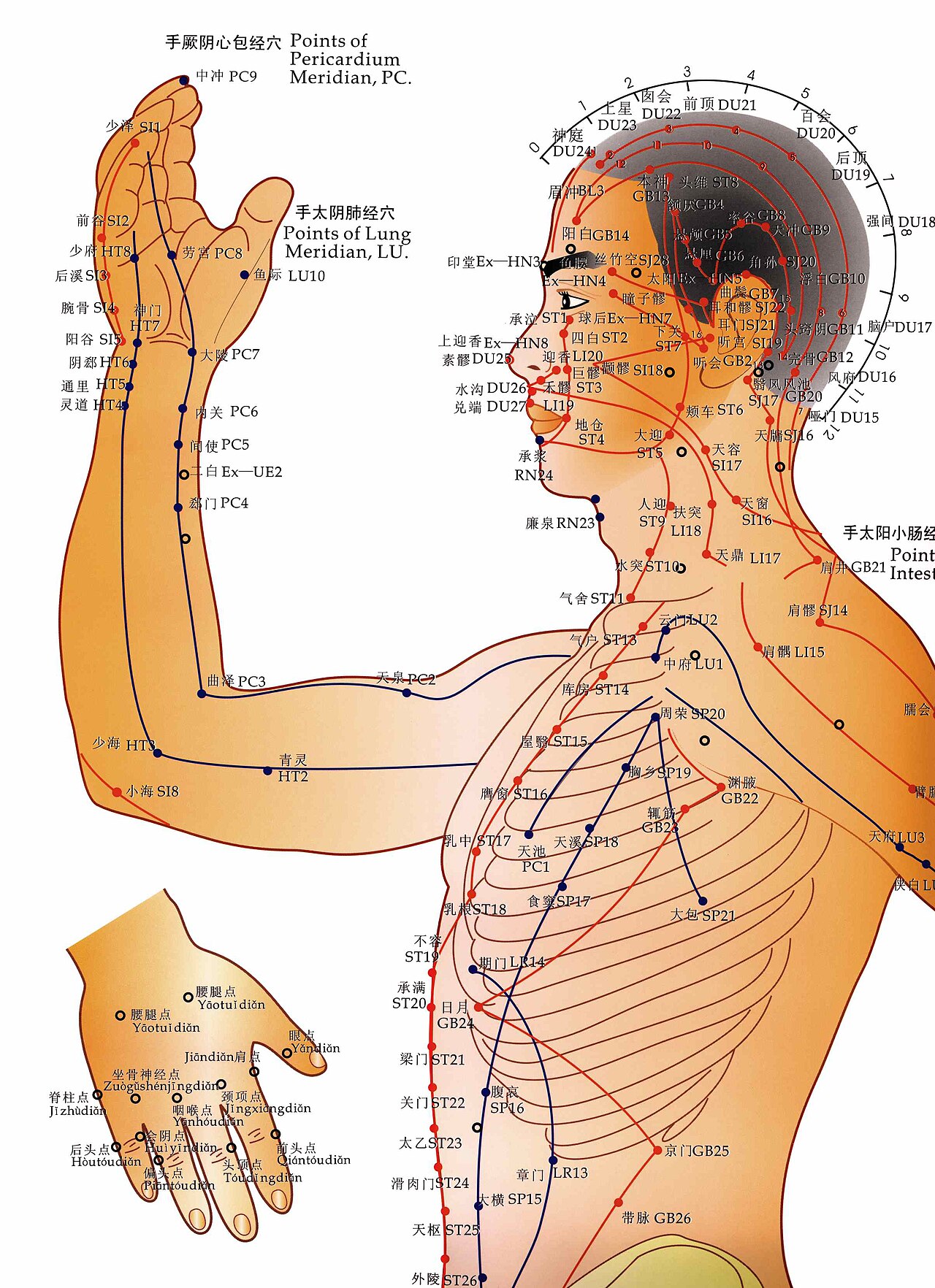
Acupuncture may improve scores in some trials, but variable methods and low certainty prevent a firm conclusion. It should complement, not delay, evaluation of persistent ED.
The newest review is positive—and still careful
Acupuncture for erectile dysfunction received a positive but careful update in a 2026 systematic review. It pooled 21 randomized trials and reported improvements in IIEF-5 scores and several secondary measures. Yet the authors graded the evidence from very low to moderate certainty and said weak evidence prevented definitive conclusions. A favorable average does not erase problems in the trials underneath it.
This is similar to the antioxidant meta-analysis for ED, where pooling can create a clean number from heterogeneous interventions. With acupuncture, needle locations, visit frequency, practitioner technique, ED cause and comparison treatment all vary. The combined estimate is not one standardized procedure.

The control group can change the result
A credible sham acupuncture control is hard to design because superficial needling or needling at different points may still have physiological and expectation effects. Some trials compare acupuncture with medication rather than sham treatment; others add acupuncture to tadalafil or psychological care. Those designs answer different questions and cannot all prove a specific needle effect.
A 2019 review found mostly high or unclear risk of bias and insufficient safety reporting. An older review also concluded that evidence for acupuncture alone was inadequate. The newer trials add information, but they do not make every earlier design weakness disappear.
One randomized trial is not a final comparison
A 2024 randomized study assigned 64 men to acupuncture or sildenafil for 30 days and reported improvements in both groups. The sample was small, follow-up was short and the medication comparison was not a blinded placebo test. Results from one center should not be turned into a claim that acupuncture matches or outlasts sildenafil.
Our guide to daily versus as-needed tadalafil shows why even established medicines require careful outcome and schedule comparisons. Acupuncture research needs the same discipline: validated scores, credible controls, prespecified outcomes and transparent adverse-event reporting.
The cause of ED may influence whether an adjunctive approach is plausible. A man with anxiety-linked symptoms, severe vascular disease, pelvic surgery or medication-related ED should not be treated as one uniform population. Trials that mix these groups can produce an average that is hard to apply to any individual patient.
Safety starts with the practitioner and the diagnosis
Needling can cause pain, bruising, bleeding, infection or, rarely, organ injury when technique is poor. Tell the practitioner about blood thinners, bleeding disorders, implanted devices and immune problems. Use a licensed practitioner who uses sterile, single-use needles and is willing to coordinate with medical care.
Do not let a course of acupuncture delay evaluation for diabetes, cardiovascular disease, medication effects, low mood or hormone symptoms. The vitamin D randomized trial is a reminder that correcting an appealing biological theory does not always improve erections. Diagnosis still matters.
How to make a trial of acupuncture informative
If you choose acupuncture, define a goal and a time window before paying for a long package. Track a validated symptom measure, medication use and adverse effects. Continue prescribed treatment unless your clinician changes it, and avoid practitioners who promise a cure or tell you to stop necessary heart or diabetes medicines.
The practical close is balanced: acupuncture is a reasonable preference to discuss, but it is not established as a stand-alone ED treatment. The folic acid trial evidence offers a useful comparison for reading adjunctive studies without turning a specific result into a general cure. Keep transparent credentials, sterile technique and medical evaluation in the plan.
Cost and time belong in the evidence discussion as well. A multiweek course may require repeated visits that are rarely captured in a short efficacy score. Before starting, ask how progress will be measured, when treatment will stop for lack of benefit and whether the practitioner communicates with the clinician managing ED.
Agree on a review date before the first session. If validated scores and daily function do not improve, continuing indefinitely only adds cost and delays a better-supported plan tailored to the cause.