Ashwagandha for stress: keep the trial outcome separate from the wellness promise
What stress trials of ashwagandha measure, why extracts differ, and how to read safety information alongside marketing claims.
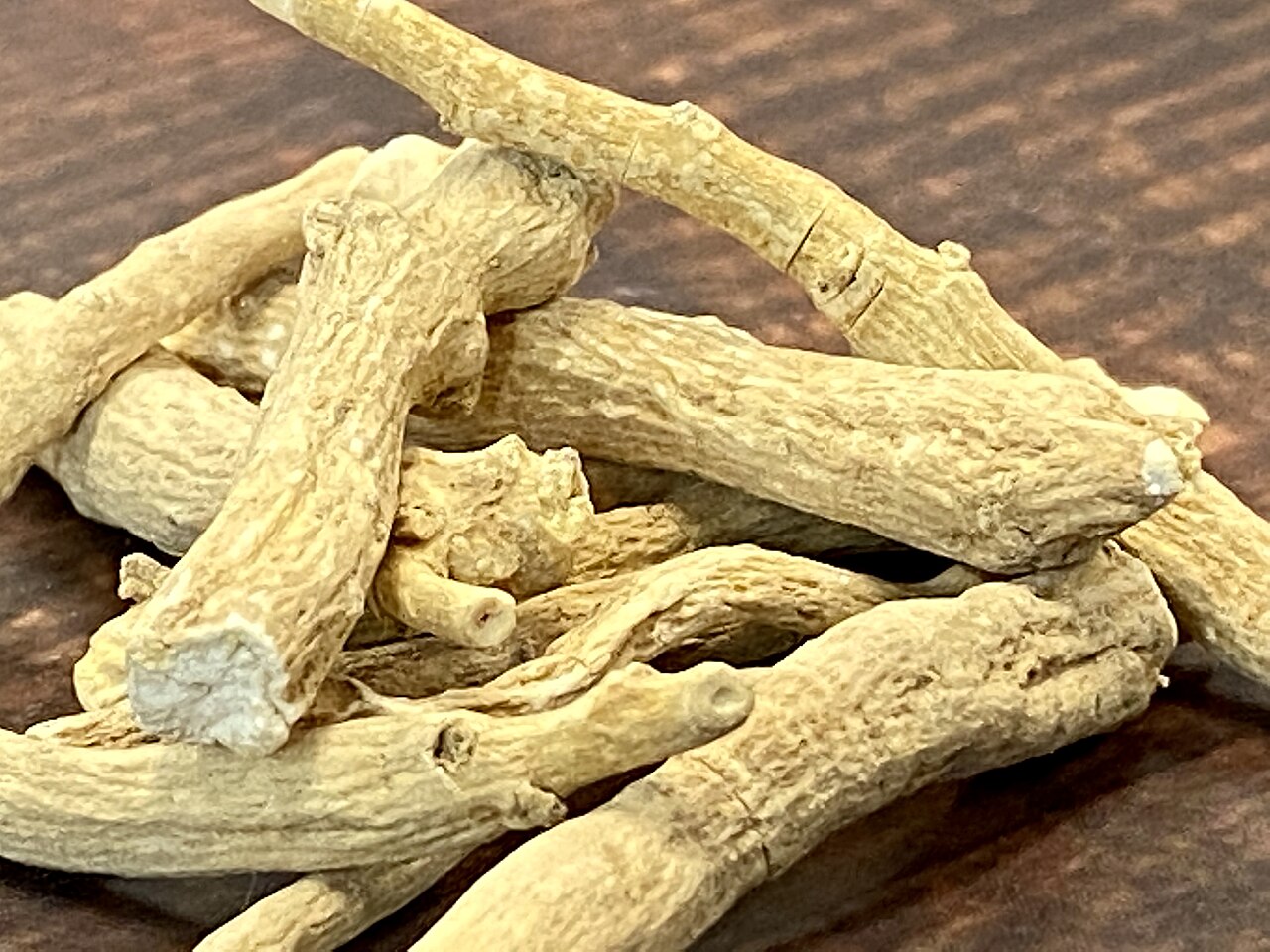
Some ashwagandha preparations have promising stress research, but extract matching and individual safety questions remain essential.
A broad promise can hide a narrow study
Ashwagandha is marketed for stress, sleep, energy, hormones, and sexual wellness. A person shopping in one category may therefore encounter evidence originally gathered for another. The key is to identify what the cited trial actually measured. An improvement on a stress questionnaire cannot automatically validate a claim about sexual performance, and a laboratory change cannot stand in for a demonstrated improvement in everyday functioning.
This distinction does not dismiss stress as unimportant. It keeps the research question clear. Before reading a product's testimonials, write down the benefit you hope to see and the outcome reported by the study. If they differ, the evidence may be interesting but indirect. A responsible summary should explain that gap rather than assuming all wellness outcomes move together.
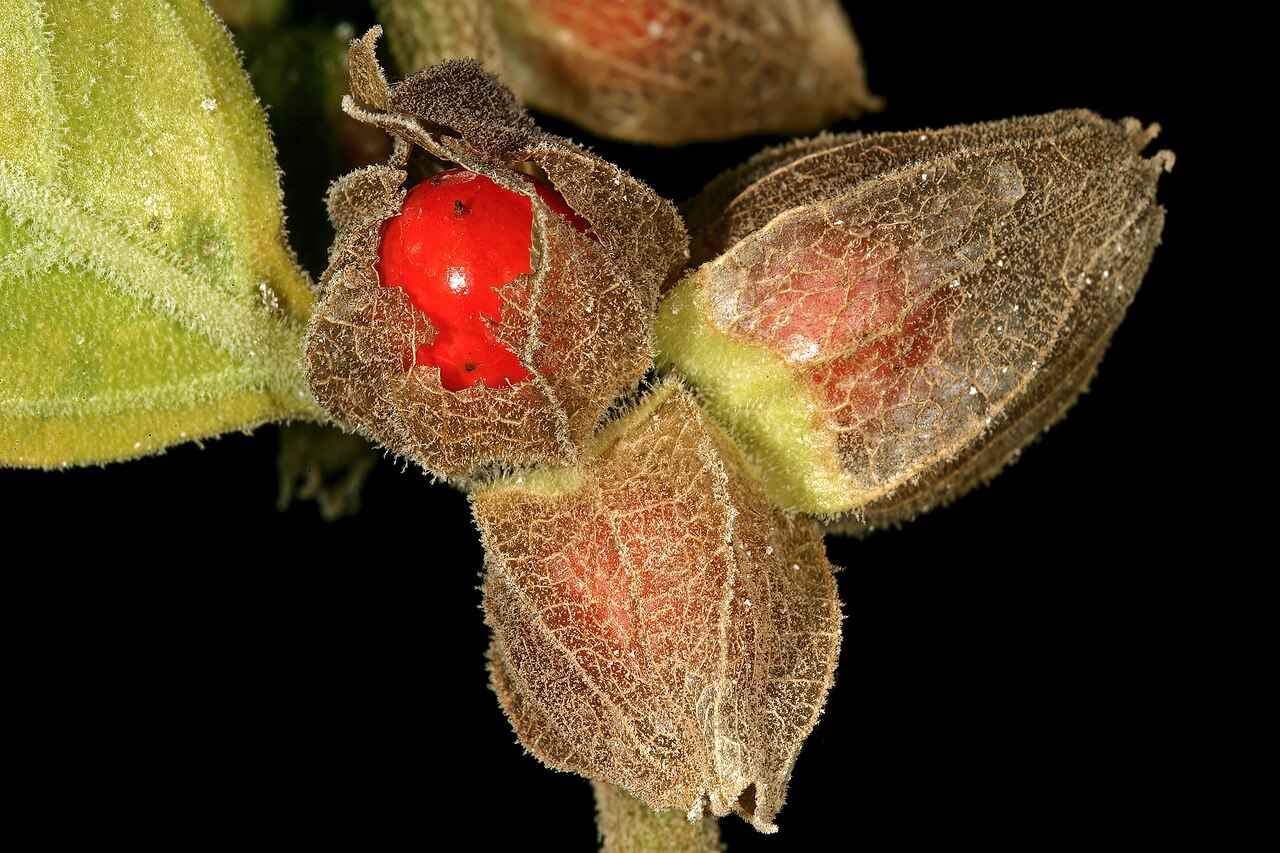
Short trials provide a starting point
A 2019 randomized, double-blind, placebo-controlled trial investigated an ashwagandha extract over sixty days in stressed, healthy adults. Another trial published in 2024 examined a root-and-leaf water extract for eight weeks in adults reporting high stress. These are specific interventions and settings. Their existence does not establish that every product sold under the plant name produces identical effects.
When comparing trials, note the population, preparation, duration, and instruments used to measure stress. A study may collect both questionnaire scores and hormone measurements, but those results answer different questions. Read whether changes were compared with placebo and how the authors characterized the findings. A study title that includes stress relief should not be read as a guarantee for every person experiencing stress.
Root, leaf, and extract details matter
Products can differ in which parts of the plant they use and how the material is extracted or standardized. NIH's ashwagandha overview discusses studies using different preparations. This complicates direct comparison and makes the complete label more useful than a large front-panel number. An extract's marketing name is not enough to establish equivalence to a different research preparation.
Ask whether the product being sold is the exact extract studied and whether the individual amount is disclosed. A blend that lists ashwagandha alongside several other ingredients is a different intervention. Evidence for one component cannot simply be added to evidence for another to produce a proven combination. If a company claims its formulation has been clinically tested, request the trial of that formulation rather than a general reading list about the herb.
Safety deserves the same attention as benefits
NCCIH notes reports of liver injury linked to ashwagandha and discusses potential medicine interactions, including with thyroid medicines and sedatives. NIH also emphasizes that longer-term safety is not established. These cautions do not establish what will happen to an individual reader, but they are relevant information that a product review should present alongside promising findings.
Bring the complete label and a medicine list to a pharmacist or clinician before deciding whether a product fits your circumstances. Mention existing health conditions and any other sleep or stress products you use. A trial in screened participants cannot answer every interaction question for someone taking several medicines. Do not treat a short-term study's tolerability as a blanket assurance for indefinite use.
Make stress support about your actual needs
Describe the problem in practical terms: difficulty settling at night, daytime tension, reduced functioning, or another persistent concern. Ask what evaluation or support is appropriate and how progress should be assessed. A supplement may be the first thing advertised, but that does not make it the best explanation or response for every situation.
This guide is educational and does not recommend an ashwagandha regimen. Its purpose is to align a specific concern with the evidence actually available and to preserve the safety questions that marketing may overlook. Interested readers can acknowledge promising research without expanding a stress finding into every possible wellness claim. Keeping those boundaries clear is part of making the research useful.
Sources & further reading
This article provides educational information. Ask a qualified clinician or pharmacist about your symptoms, medical conditions, medicines and supplement interactions.