Betaine and testosterone: an exercise-related hormone bump is not a low-T treatment
Small athlete trials link betaine with short-term testosterone changes, but they do not show treatment of persistent testosterone deficiency.
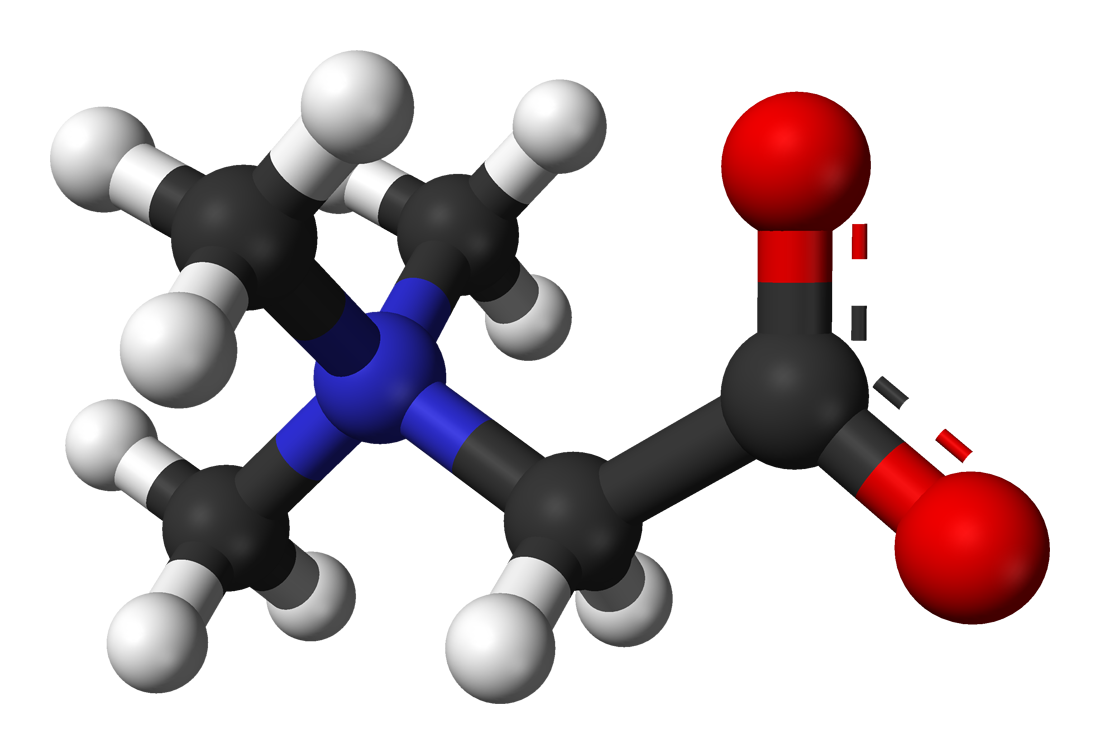
Betaine may affect performance or workout-related hormone measurements in some athletes, but it is not established treatment for clinical hypogonadism.
The number can rise without solving low T
Betaine, also called trimethylglycine, appears in sports supplements and testosterone-support formulas. A few exercise studies have reported higher testosterone after supplementation. That sounds direct, yet the context changes the meaning: the measurements were taken around hard training in athletes, not in men being treated for persistent, symptomatic low testosterone.
A temporary workout-related change is not the same as restoring consistently low morning levels or improving fatigue, libido, erections, mood, bone health, or fertility.
What the athlete trials reported
A double-blind crossover study in 10 adolescent handball players used 2.5 grams of betaine daily for 14 days. Participants completed more repetitions, and post-exercise testosterone was higher while cortisol was lower after betaine than placebo. The sample was tiny, young, and highly specific.
A 2023 randomized crossover trial in 43 CrossFit practitioners also used betaine and reported better performance on one workout plus a modest increase in testosterone. It found no improvement in Wingate power or body composition. That mixed pattern is more useful than a simple booster headline.
The crossover design used in several betaine studies can be efficient because each participant serves as his own comparison. It also depends on a sufficient washout period and stable training, diet, and sleep across phases. Small changes in those factors can influence performance and hormones. When participant counts are small, one unusually strong response can move the average. Replication in larger adult samples is essential before treating the hormone finding as reliable.
Exercise response is not a diagnosis
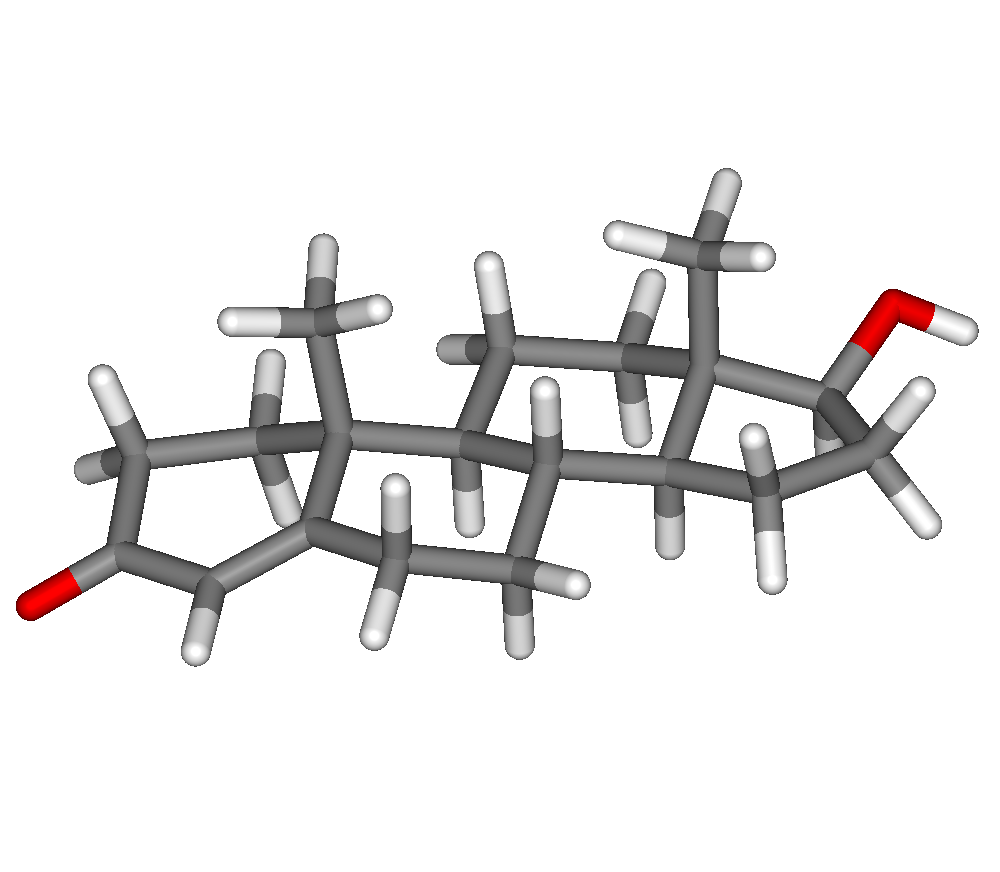
Testosterone naturally varies by time of day, sleep, calorie intake, illness, medications, and recent activity. Clinical evaluation usually relies on symptoms plus repeated, properly timed blood tests—not one value collected after a workout.
The trials did not enroll men with confirmed hypogonadism, compare betaine with testosterone therapy, or show that betaine corrected a medical cause of low testosterone. They also do not tell us whether any hormone change persists once supplementation stops.
Safety reporting in short sports studies is not the same as long-term surveillance. People with kidney disease, metabolic disorders, pregnancy exposure in a household, or multiple performance supplements may have questions the athlete trials were not designed to answer. A complete supplement list helps a clinician spot overlapping stimulants, minerals, or other ingredients hidden beside betaine.
Read performance and hormone claims separately
An ingredient might help a specific exercise task without changing everyday strength or health. In an older two-week crossover study of resistance-trained men, betaine did not significantly improve the measured performance outcomes. Different programs, populations, and tests can yield different answers.
That is why the label should state the exact intended benefit. Evidence for repetitions in a laboratory session cannot support a broad promise about libido, muscle gain, masculinity, or treatment of low T. Finished multi-ingredient products also need their own evidence; ingredient studies do not validate the complete blend.
A better next step for suspected low T
If low desire, fewer morning erections, fatigue, reduced muscle, infertility, or other symptoms persist, ask for a clinical evaluation. Sleep apnea, obesity, severe calorie restriction, pituitary disease, testicular problems, opioids, and other conditions can affect testosterone and need different responses.
For sports use, compare the studied dose with the label, add up betaine across products, and check for stomach upset or other concerns. Treat it as a performance ingredient with unsettled hormone implications—not a substitute for diagnosis or prescribed testosterone care.
Betaine is also a nutrient found in foods, and supplemental trials commonly use gram-level amounts that may not match a proprietary blend. If a label hides betaine inside a blend, you cannot tell whether it reaches the studied dose. Conversely, matching a dose does not guarantee the same outcome outside the study's training program. Dose comparability is necessary for applying research, but population, workout, duration, and outcome comparability matter just as much.