Black ginger and sexual function: promising signals, but the trials are still small
Black ginger has intriguing human data, but tiny and extract-specific studies leave major questions about erectile-function claims.
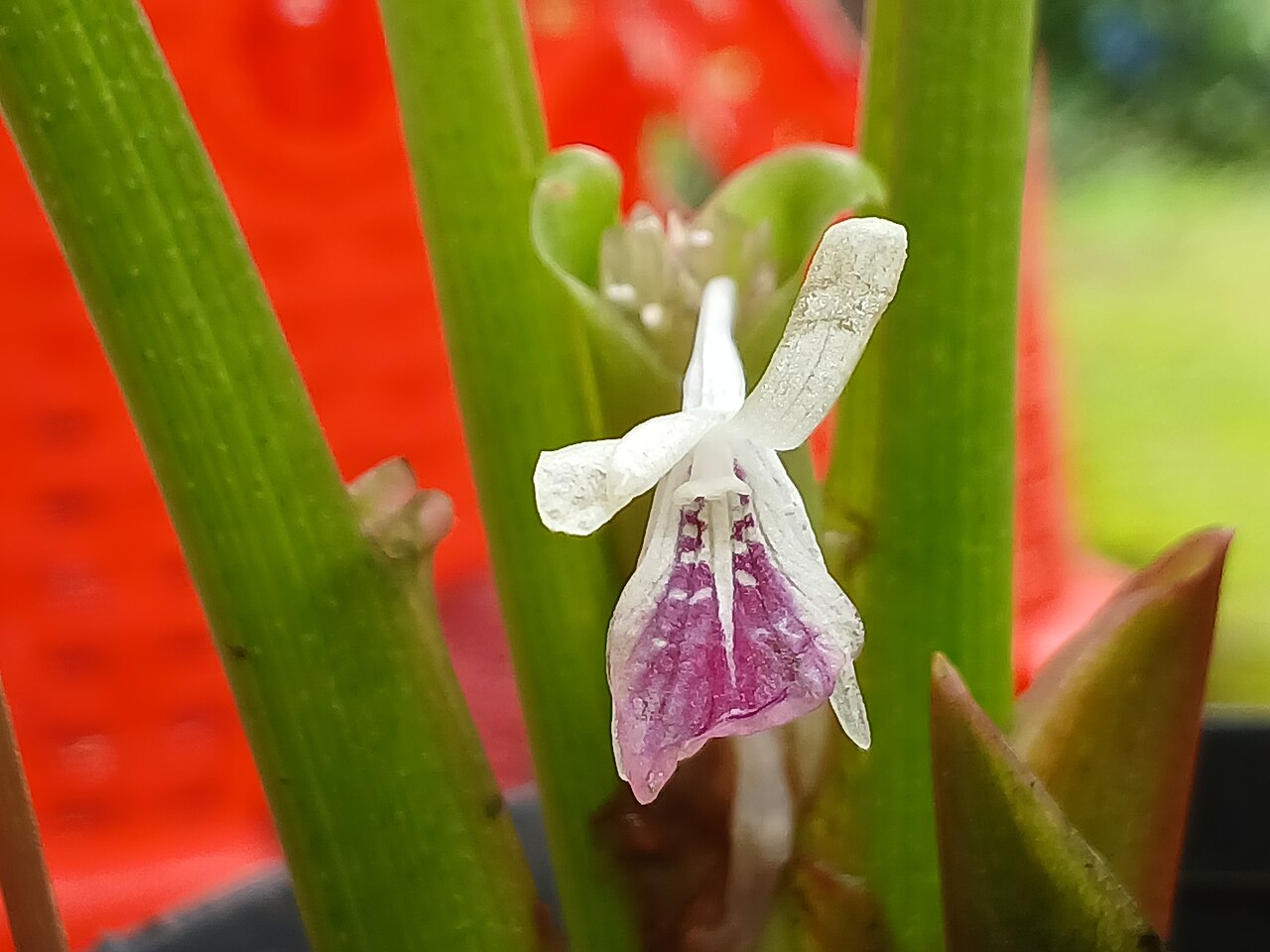
Black ginger is worth studying, but current human evidence is too small and product-specific to establish it as an erectile-dysfunction treatment.
The useful answer in one minute
Black ginger, or Kaempferia parviflora, has moved beyond folklore into human research. That makes it more interesting than an ingredient supported only by animal experiments. It does not make the evidence decisive. The sexual-function studies are small, use particular extracts, and do not show that every black-ginger capsule works the same way.
For a shopper, the practical benefit is clarity: look for the exact extract, dose, duration, and comparison group behind a claim. If a label simply says black ginger without matching the studied preparation, the distance between the bottle and the research is already wide.
What the small human studies found
A 2018 open-label pilot enrolled 14 generally healthy men ages 50 to 68 with self-reported mild erectile difficulties. Thirteen finished 30 days of a standardized ethanol extract. Scores improved from baseline, but there was no placebo group. Expectations, repeated testing, and ordinary variation could therefore explain some or all of the change.
An earlier randomized study summarized in a systematic review assigned 45 older volunteers to two doses or placebo for eight weeks. The higher-dose group showed changes in response to erotic stimuli and penile measurements. That sounds concrete, yet a single small trial is vulnerable to chance, unusual methods, and results that may not repeat elsewhere.
The outcome tools also deserve attention. The open pilot used the IIEF, a validated questionnaire, while the older experiment emphasized response time and physical measurements during erotic stimulation. Those are not interchangeable endpoints. A change in a laboratory response does not necessarily mean easier, more satisfying sex at home. Future trials should name one primary outcome in advance, use a credible placebo, report dropouts, and follow participants long enough to show whether the change is durable.
Why a mechanism is not a treatment result
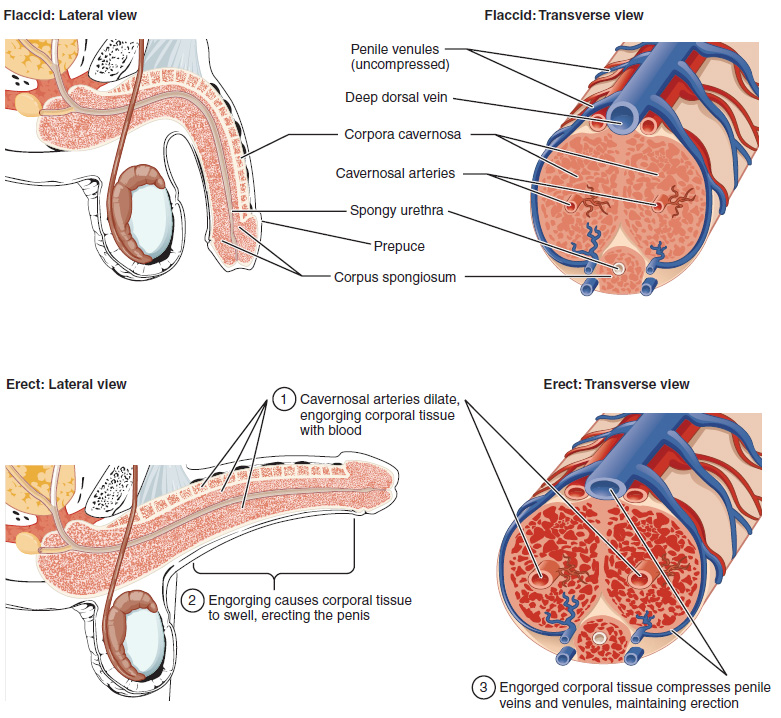
Black ginger contains polymethoxyflavones. Laboratory and animal work has explored blood-vessel signaling, energy use, and smooth-muscle responses. Those pathways are relevant because an erection depends on coordinated nerve signals, blood inflow, and relaxation of smooth muscle inside erectile tissue.
Mechanistic fit is only the first rung of evidence. A compound can affect an enzyme in a dish and still fail to improve erections at a tolerable human dose. The outcome that matters is a reliable improvement in validated sexual-function measures, compared with placebo, in enough people to estimate benefits and harms.
Read the extract, not just the plant name
Extraction changes which compounds and how much of them reach a capsule. One study used a branded ethanol extract; another used a controlled dry extract. A raw rhizome powder, tea, tincture, or multi-ingredient blend may have a different chemical profile. Results cannot be transferred automatically across those formats.
Also check whether the study population resembles you. Healthy older volunteers with mild symptoms are not the same as men with diabetes, cardiovascular disease, medication-related sexual problems, or severe erectile dysfunction. A result in one group may not predict a result in another.
A practical decision
Treat black ginger as an evidence candidate, not a proven fix. Bring the full label to a clinician or pharmacist, especially if you take blood-pressure, heart, diabetes, or erectile-dysfunction medicines. Supplements can add side effects or interactions even when their intended benefit remains uncertain.
Persistent erectile problems deserve an evaluation because they can reflect vascular disease, medication effects, low testosterone, nerve injury, sleep problems, or relationship stress. The smartest next step may be diagnosing the cause, not adding another plant extract.
Quality testing is another practical gap. A botanical label may identify Kaempferia parviflora but reveal little about the concentration of polymethoxyflavones, contaminants, or batch consistency. Independent verification of identity and purity can reduce uncertainty about what is in the bottle; it cannot prove that the product improves sexual function. Keep those two questions separate: quality testing asks whether the label is accurate, while clinical research asks whether the accurately labeled product delivers a meaningful benefit.