Cannabis and erectile function: new data show association, not a simple cause
Cannabis use has been linked with erectile dysfunction in observational studies, but mixed exposure, confounding and coding limits prevent a simple causal claim.
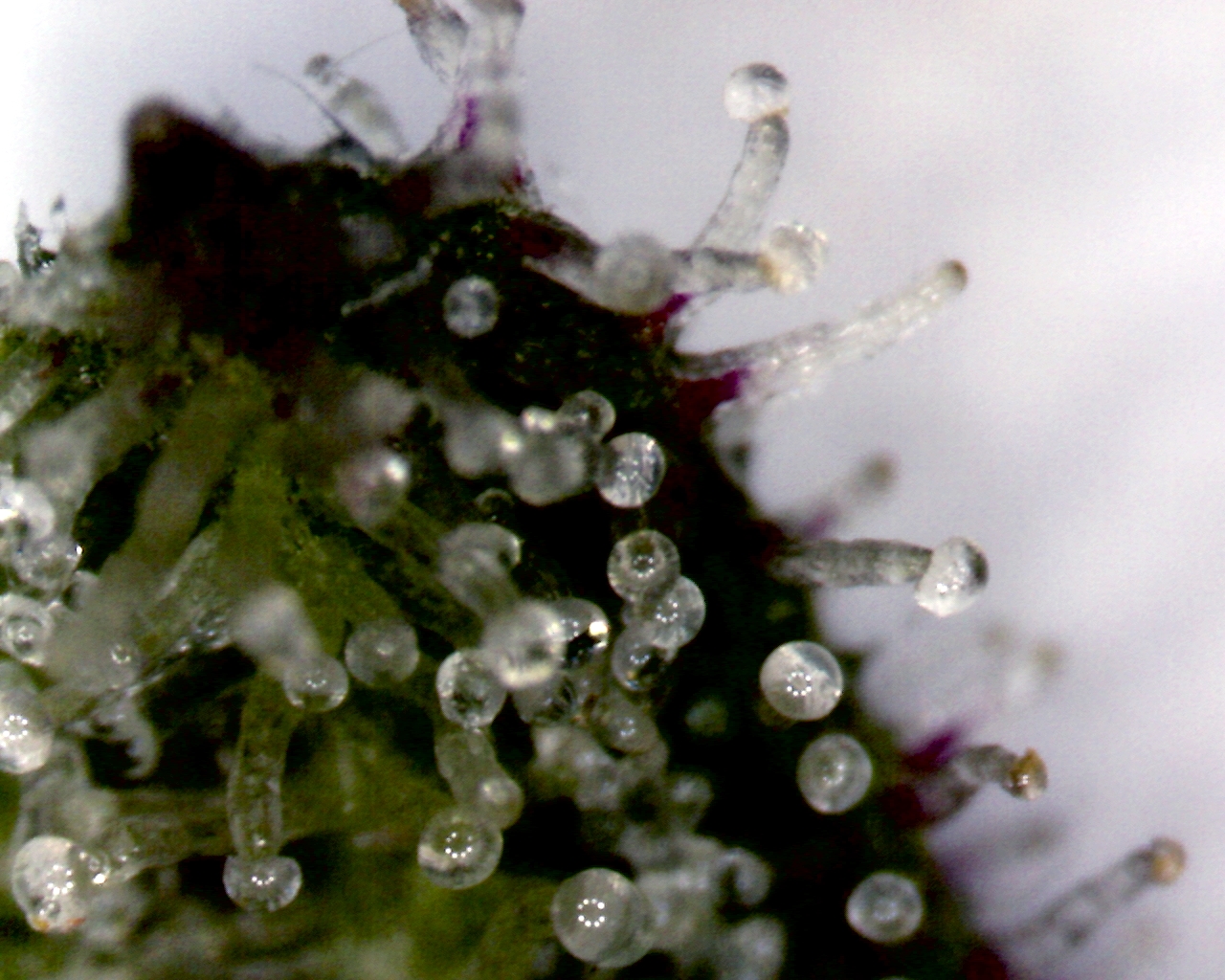
Observational studies link cannabis use or cannabis-use disorder with ED, but they cannot tell whether cannabis caused an individual case. CBD products and recreational cannabis should not be treated as the same exposure.
The headline is an association, not a verdict
Cannabis can change sensation, anxiety, mood and attention, so personal reports about sex run in both directions. Population research asks a narrower question: are erectile-dysfunction diagnoses more common among users? A 2019 meta-analysis found higher odds among cannabis users, but the five case-control studies differed substantially and the prediction interval included no association.
That uncertainty resembles the folic acid combination evidence, where a signal tied to a specific intervention cannot validate a broader category. People who use cannabis differ in age, tobacco use, mental health, medications and other factors that can affect erections. A pooled association cannot sort every one of those differences.
A large 2025 claims study adds scale, not perfect detail
A newer analysis matched roughly 29,000 men with cannabis abuse or dependence diagnoses to a similar comparison group. It found higher short-term risks of ED diagnosis and PDE5-inhibitor prescribing, and a smaller association with ED several years later. The database size is a strength, yet diagnosis codes do not measure THC dose, route, frequency or current intoxication.
The exposure was cannabis abuse or dependence, not occasional use and not a standardized CBD supplement. That distinction matters. The CoQ10 erectile-function trials illustrate why an exact intervention and outcome must stay attached to a result; cannabis research should not merge smoked high-THC products, edibles and isolated cannabidiol into one claim.
Biology can suggest questions without proving an effect
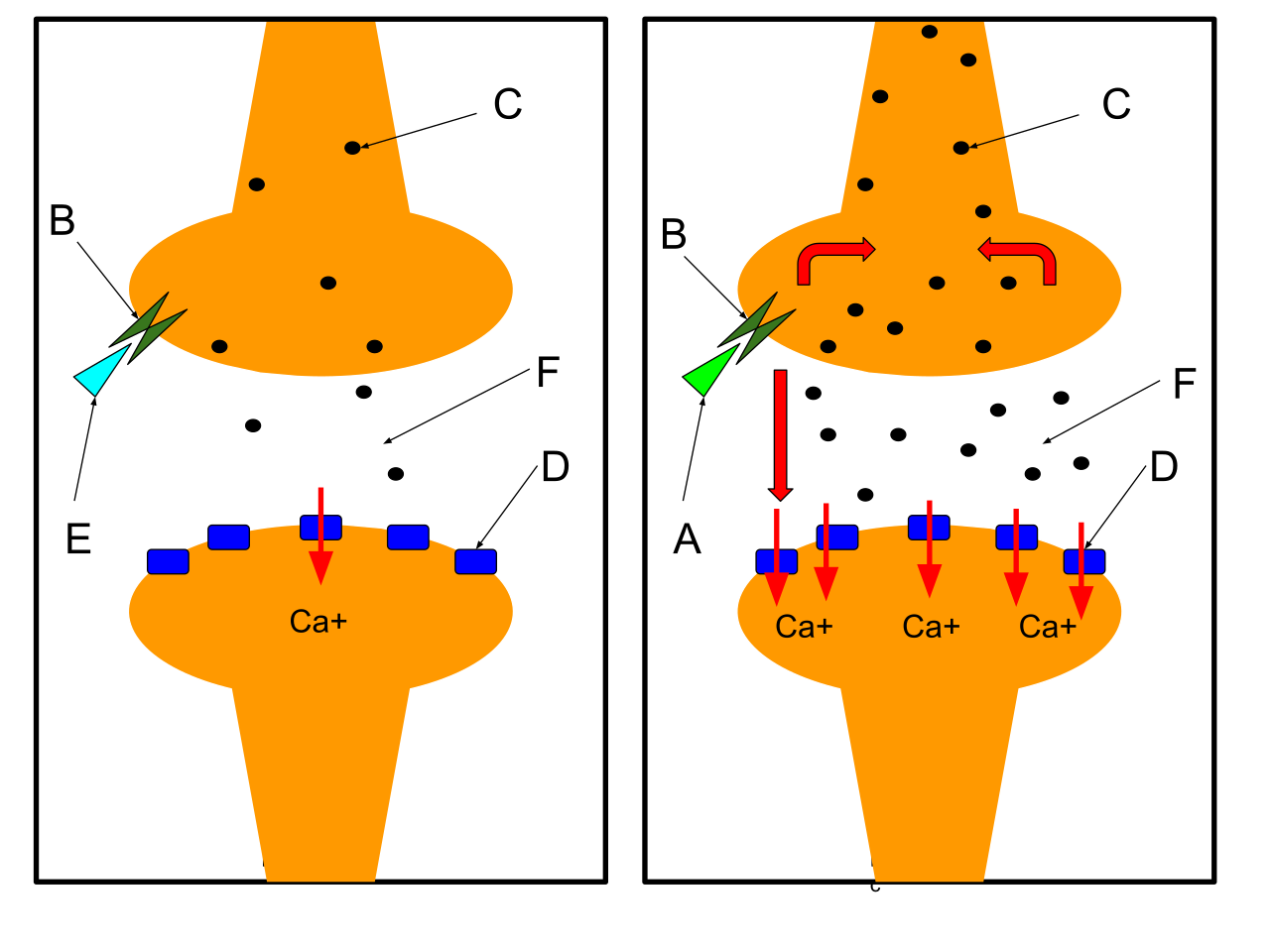
Cannabinoid receptors occur in the brain, nerves and vascular tissues. THC can alter autonomic signaling and perception, while smoke exposure can affect vascular health. These are plausible routes to sexual effects, but plausibility can point toward benefit or harm depending on dose and context. It cannot identify the net effect in a particular man.
Erections also depend on cardiovascular health and nitric-oxide signaling. An antioxidant ED meta-analysis is a useful parallel: pooling biologically plausible interventions does not identify the effect of a different exposure. Cannabis needs direct, well-controlled sexual-function studies rather than a chain of mechanistic assumptions.
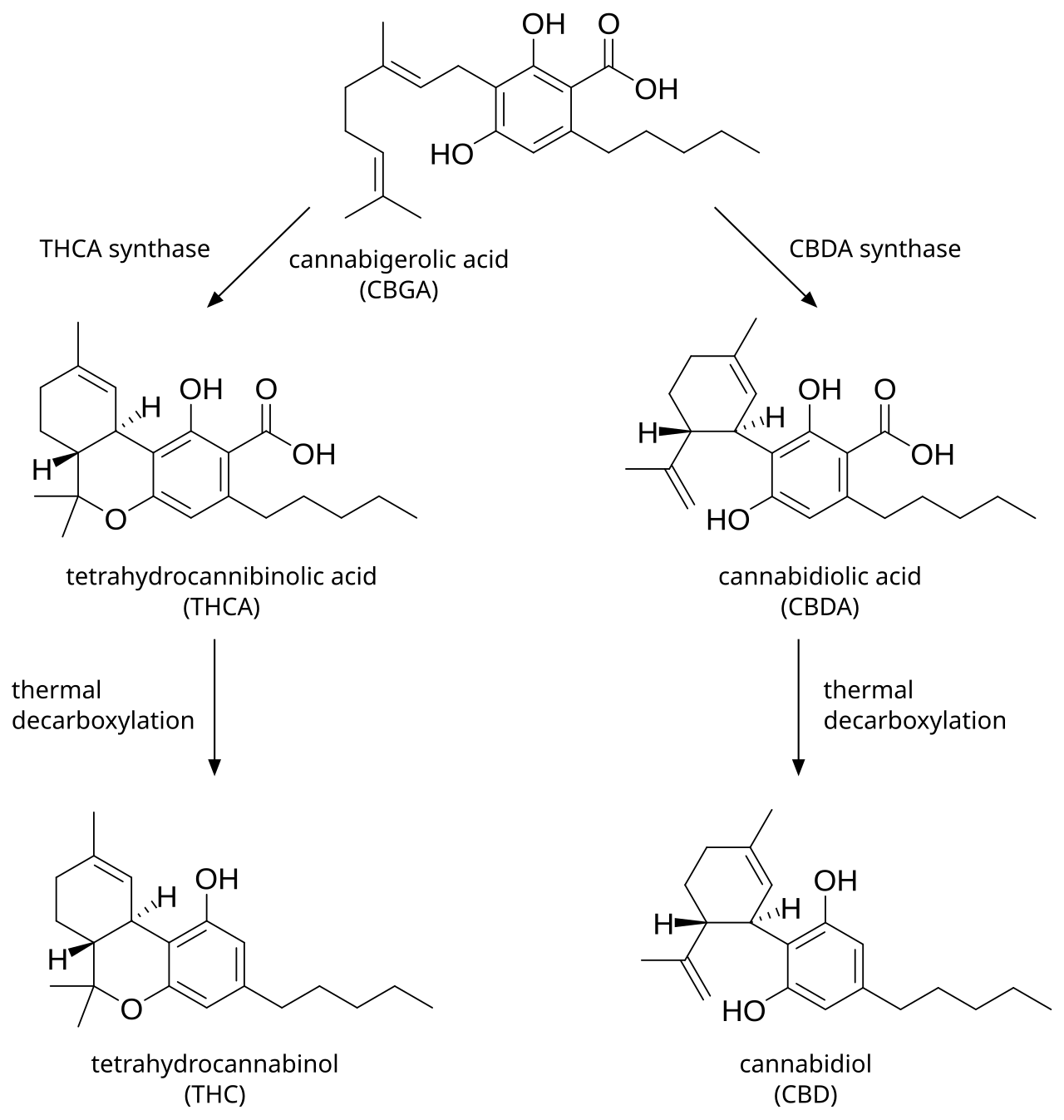
Frequency and context also matter. A person using cannabis nightly for sleep is not equivalent to someone with a coded use disorder, and neither exposure matches a laboratory dose. Future studies need standardized THC and CBD measurements, route of use, tobacco exposure and validated erectile-function scores collected before and after changes in use.
What to track if cannabis and ED overlap
Write down timing, product type, THC and CBD amounts when known, alcohol use, nicotine, sleep and whether erections differ during partnered sex and masturbation. That record is more useful than simply labeling cannabis the cause. Do not stop a prescribed medicine or use someone else’s PDE5 inhibitor to test a theory.
Persistent ED deserves assessment for blood pressure, diabetes, vascular disease, medication effects, mood and hormone symptoms. Vitamin D research shows why an apparent association can weaken in a randomized trial. Cannabis may be one part of the history without being the only explanation.
A practical, lower-risk close
If symptoms began after a clear increase in cannabis exposure, discuss a reduction or pause with a clinician, especially if use is hard to control. Avoid mixing intoxication with unprescribed ED drugs, poppers or products sold as rapid sexual enhancers. Seek help for chest pain, fainting or an erection lasting four hours.
For now, the honest answer is neither “cannabis causes ED” nor “cannabis helps sex.” The evidence supports a conversation about patterns and risk factors. It does not support selling CBD, THC or a detox supplement as a proven erectile treatment.
If reducing use brings withdrawal symptoms, anxiety or sleep disruption, those changes can temporarily affect sexual function too. A clinician or substance-use professional can help plan a gradual, safer approach when needed. The goal is not to assign blame; it is to identify a modifiable pattern while checking other common causes of ED.
Recheck the pattern after enough time for sleep, mood and routine to settle. A single good or bad night is noisy evidence; a dated record gives the clinician a clearer picture without pretending to be a controlled experiment.