Cocoa flavanols and circulation: better endothelial tests are not a chocolate prescription
Cocoa flavanol trials improve some blood-vessel markers, but products vary and surrogate outcomes are not proof of fewer heart events.
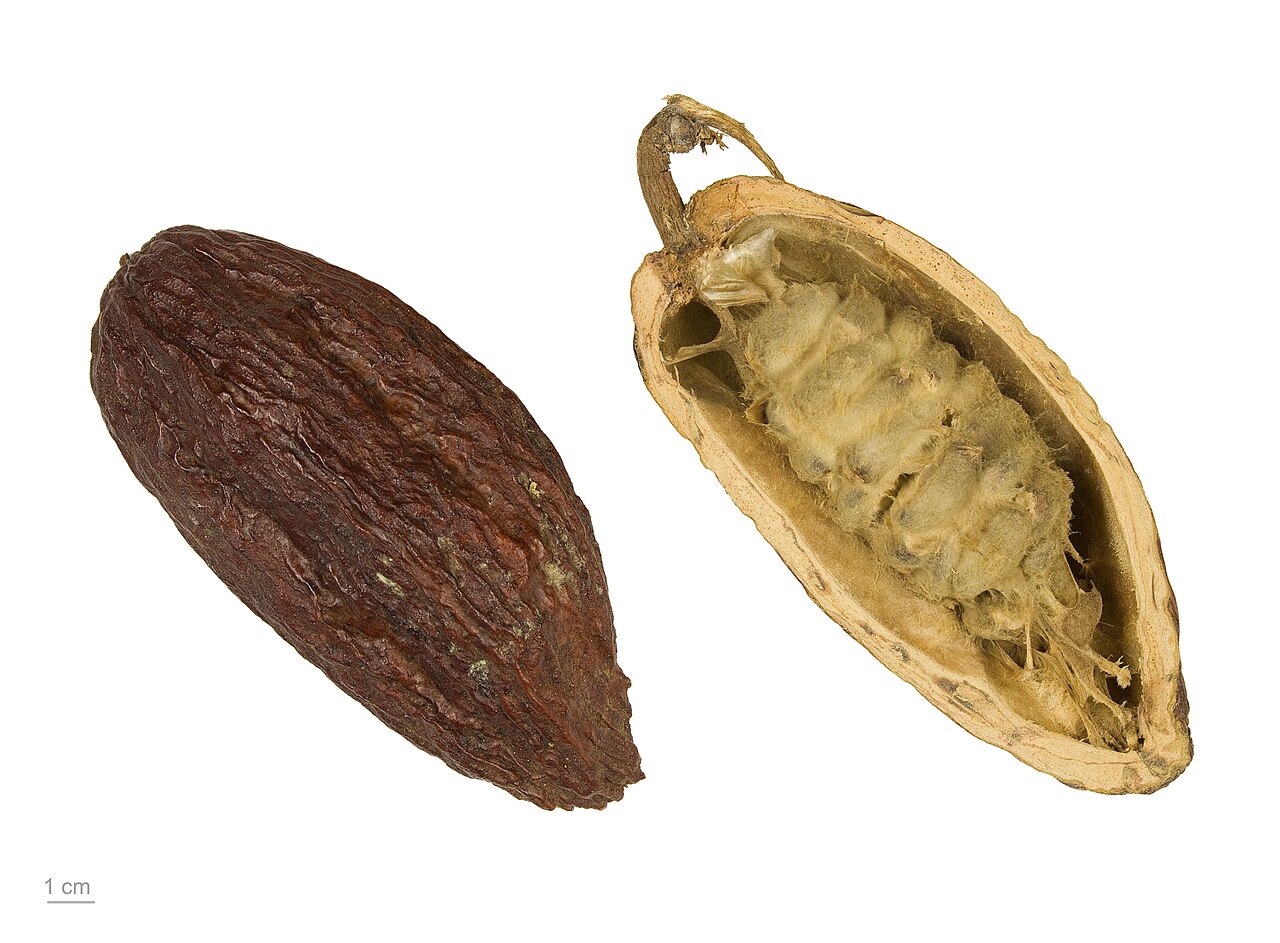
Standardized high-flavanol cocoa has improved vascular test results in trials, but ordinary chocolate varies widely and can add sugar, calories, and saturated fat.
The benefit is about blood-vessel response
Cocoa flavanols can influence how the endothelium—the inner lining of blood vessels—responds. Randomized trials have reported better flow-mediated dilation after standardized high-flavanol cocoa. That is a useful physiological signal, especially because healthy circulation matters across the body.
It is not a prescription to eat unlimited chocolate. Flow-mediated dilation is a surrogate marker, and commercial cocoa products differ sharply in flavanol content, sugar, calories, and saturated fat.
What the Flaviola trial found
In the Flaviola Health Study, 100 healthy middle-aged adults consumed a cocoa-flavanol drink or a nutrient-matched control for one month. The active group received 450 milligrams of flavanols twice daily. Flow-mediated dilation improved, and the trial also reported lower blood pressure, arterial stiffness, and several lipid measures.
The study was randomized and double-masked, which strengthens confidence in the short-term measurements. It remained a one-month trial of a controlled drink. It did not show that a supermarket chocolate bar prevents heart attacks or produces the same flavanol exposure.
Flow-mediated dilation uses ultrasound to measure how an artery widens after a temporary change in blood flow. It is valuable for research because endothelial function is connected with cardiovascular risk. The test is also sensitive to technique, recent meals, exercise, caffeine, temperature, and timing. A statistically significant improvement in a controlled study is encouraging, but it is not the same endpoint as a heart attack, stroke, hospitalization, or longer life.
Results differ by population and product
A six-week randomized trial in people with coronary artery disease compared flavanol-rich cocoa and chocolate with low-flavanol controls. The primary vascular results were not a simple across-the-board win. Another crossover trial in overweight adults found changes in vessel diameter, blood flow, and stiffness, with some effects differing by sex.
That variation is normal in nutrition research. Baseline health, dose, processing, background diet, adherence, and the vascular test can all shape the result. It argues for measured conclusions, not stronger marketing.
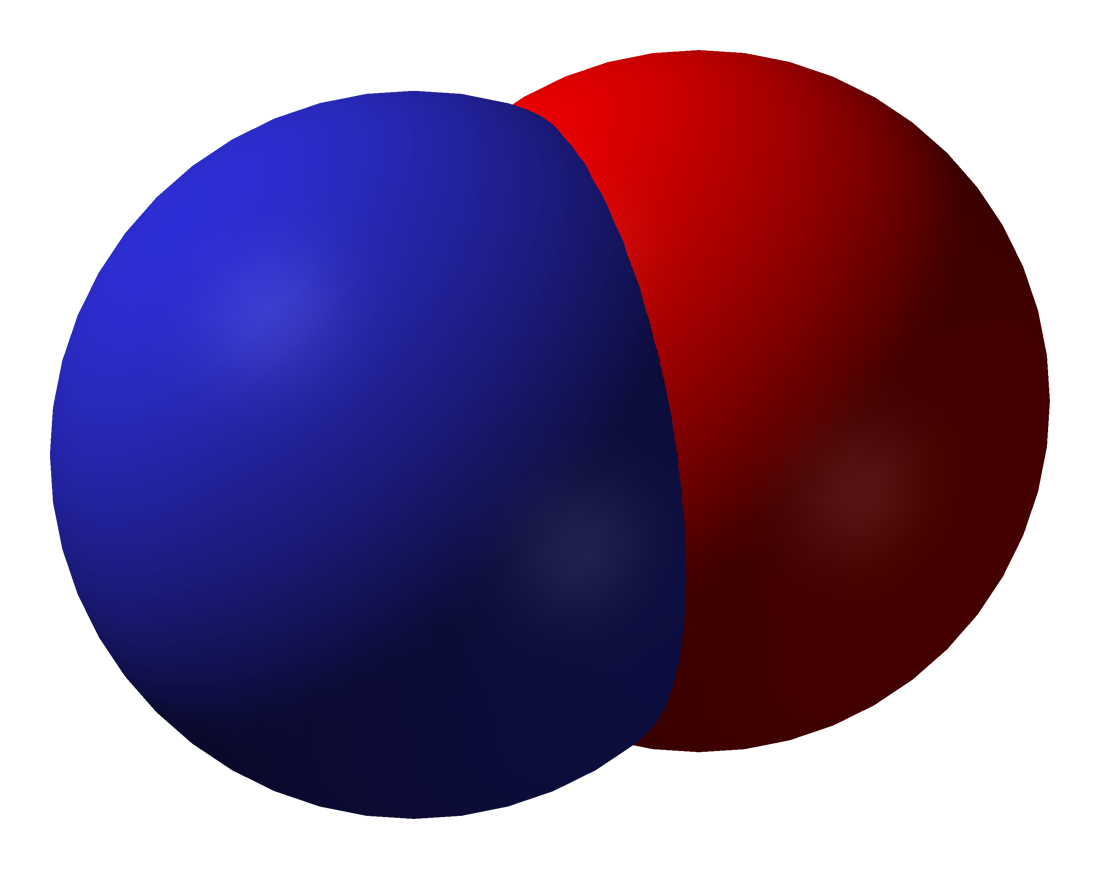
The same separation applies to sexual-health marketing. Endothelial function and nitric-oxide signaling are relevant to erections, but cocoa vascular trials were not designed to establish an ED treatment. A supplement cannot borrow an erectile-function claim simply because it affects a pathway that also operates in penile blood vessels. It also cannot claim long-term cardiovascular protection from a short change in an ultrasound measure. Clinical outcomes require their own adequately powered, long-duration trials.
Flavanol content is not visible on the wrapper
Fermentation, alkalization, roasting, and other processing steps can reduce flavanols. A dark color or high cocoa percentage does not guarantee the dose used in a trial. Many chocolate products also deliver enough calories, sugar, or saturated fat to work against a person's broader goals if portions climb.
If a product states a flavanol amount, compare that number with the research and check the serving size. If it lists only cocoa powder or cocoa percentage, do not invent a flavanol dose. Ingredient presence is not dose verification.
Put cocoa in the right heart-health role
An unsweetened, flavanol-standardized cocoa product may fit some diets, but it should sit behind proven priorities: controlling blood pressure and cholesterol, not smoking, moving regularly, sleeping well, and taking prescribed medicines as directed.
People with kidney disease, reflux, migraines, caffeine sensitivity, or calorie restrictions may need extra care with cocoa products. The research supports a credible vascular mechanism and some short-term improvements. It does not support a disease-treatment claim or a free pass for candy.
Cocoa can also contain caffeine and theobromine, compounds that may affect sleep, reflux, palpitations, or headaches in sensitive people. Timing and portion therefore matter even when sugar is low. If you choose cocoa for flavor or a possible vascular benefit, favor an unsweetened product with transparent flavanol information and keep the rest of the diet in view. A small addition should not crowd out medications or better-supported habits.