Ginseng for erectile dysfunction: why a small effect needs a careful headline
A reader-friendly guide to ginseng research, clinical importance, extract differences, and the limits of positive study headlines.
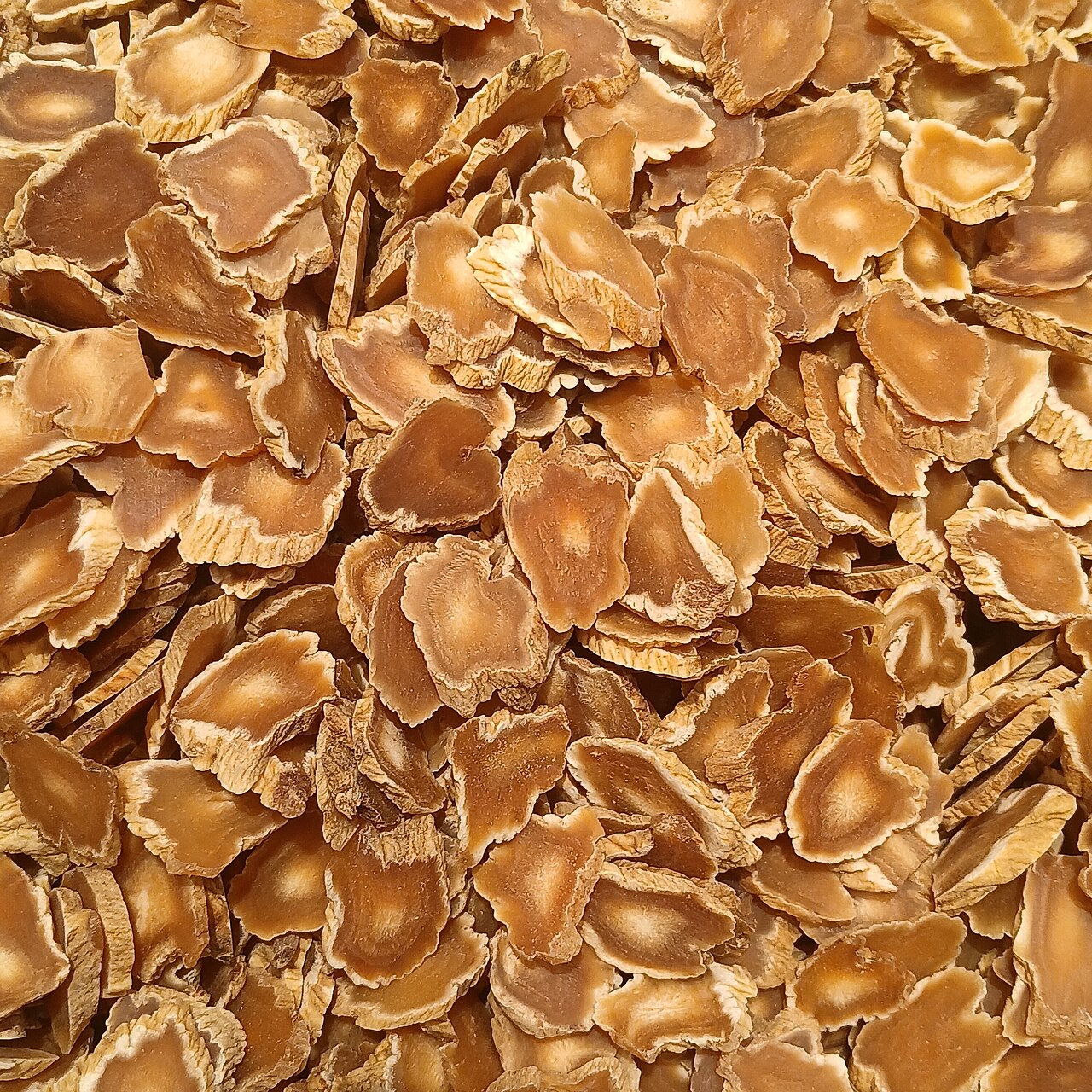
A statistically positive result can still represent a small or uncertain practical benefit. Ginseng claims need the full study context.
What does a positive result mean?
Ginseng is a recognizable name on sexual wellness shelves, and some research has reported favorable findings. The problem for consumers is that the word positive rarely explains the size, certainty, or usefulness of the effect. A headline that says an ingredient works may hide a much more cautious research conclusion. Reading the original summary helps restore those missing details.
A 2021 Cochrane review found that ginseng appeared to have a trivial effect on erectile function compared with placebo when measured using one commonly used questionnaire domain. The certainty of that evidence was low. The review also reported some potentially favorable self-reported outcomes, illustrating why a responsible article needs to name the specific measure rather than compress every result into a single verdict.
Clinical importance is a separate question
The review discussed a minimum clinically important difference when interpreting questionnaire results. This is the idea that a measured change should be large enough to matter to a person, not merely distinguishable in a statistical analysis. The distinction is useful well beyond ginseng: a tiny average improvement may attract an enthusiastic headline without delivering the practical change a shopper imagines.
For any claimed improvement, ask what the scale measures, how much scores changed relative to placebo, and what researchers considered meaningful. An average also conceals variation: it does not promise that an individual will improve by that amount. If a seller only displays a percentage or a favorable phrase, look for the original measure and its context before accepting the translation into everyday benefits.
The word ginseng does not identify one product
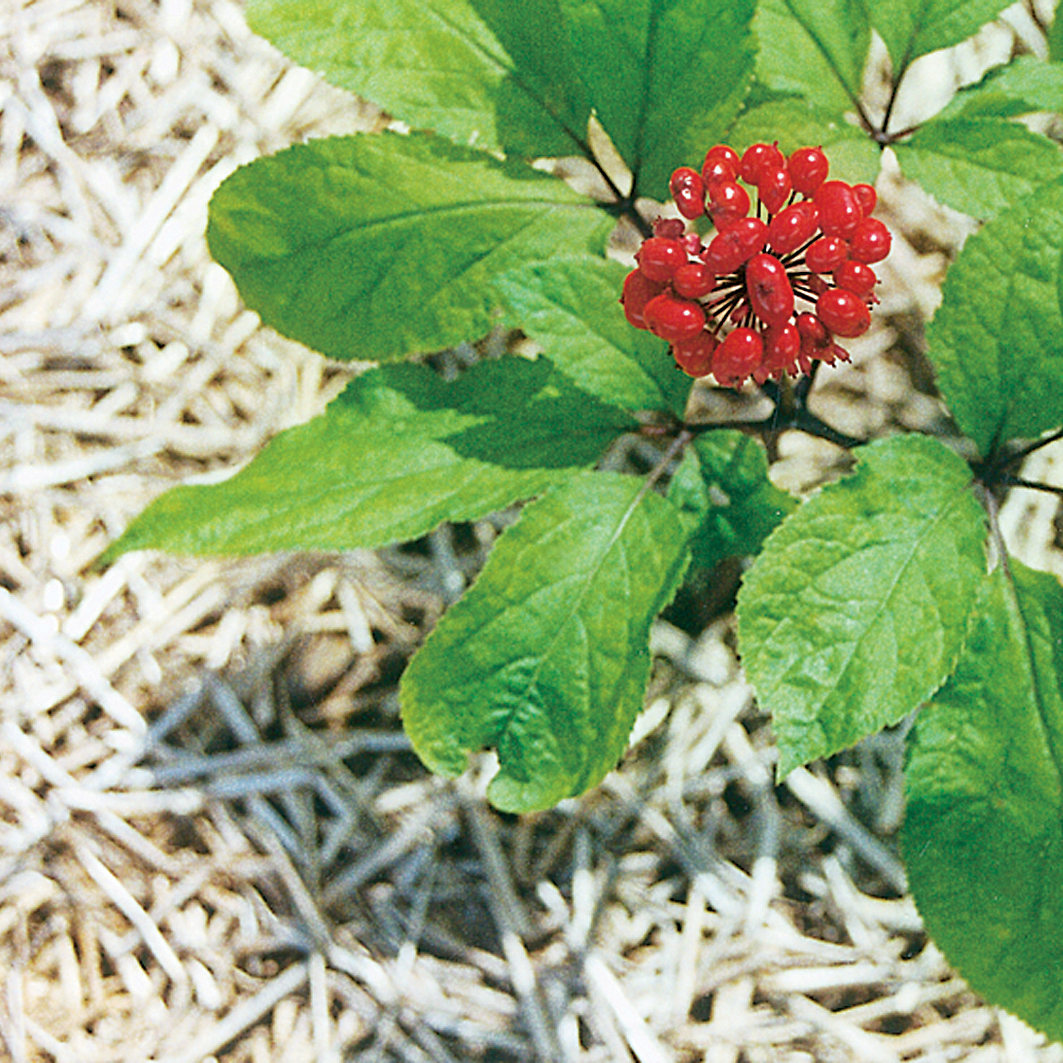
Asian ginseng is also called Panax ginseng. Products can vary in plant material, preparation, extract, and amount. NCCIH's Asian ginseng resource notes possible sexual-function benefits in some research while also discussing safety and interactions. Naming the plant is only the beginning of product identification, not a guarantee that two bottles match the intervention used in a study.
A useful label comparison records the botanical name, plant part, extract description, serving size, and any standardization information. These details should be compared with the actual paper. If the paper studied one preparation while the product simply lists ginseng powder in a blend, the evidence connection is incomplete. More complicated packaging does not resolve that gap, and a traditional-use story cannot substitute for a relevant controlled comparison.
Keep safety claims equally specific
NCCIH notes that Asian ginseng may lower blood sugar and that there are concerns about interactions with medicines. Those considerations matter when a person already has health conditions or uses prescription treatments. They also demonstrate why a naturally sourced ingredient is not automatically suitable for every consumer. A study's short-term tolerability cannot answer every question about different users or prolonged use.
Before considering a product, bring its complete label to a pharmacist or clinician rather than mentioning only the headline ingredient. Include other supplements and nonprescription medicines in that review. If you develop an unexpected reaction, the label and batch information may help identify what was taken. This is practical record keeping, not evidence that all ginseng products carry the same level of risk.
A balanced interpretation helps the reader
The Cochrane review found no trial evidence directly comparing ginseng with established erectile-dysfunction treatments in its included research. A seller therefore should not use that review to claim equivalence to a prescription medicine. The absence of a direct comparison leaves a question unanswered; it is not a hidden victory for either option.
A fair reading allows two thoughts at once: ginseng has been studied, and the practical conclusions remain limited. Readers can use the research to ask better questions about likely benefit, product matching, and safety. Persistent sexual difficulties deserve an appropriate health assessment, and this guide offers no individual treatment recommendation. The most useful headline is one that preserves uncertainty instead of removing it to make a sale.
Sources & further reading
This article provides educational information. Ask a qualified clinician or pharmacist about your symptoms, medical conditions, medicines and supplement interactions.