Maca, libido, and erections: three claims that should not be blended together
What a small maca trial can tell readers, why sexual outcomes differ, and how to examine supplement claims without overstating the evidence.

Maca research is limited, and an outcome involving desire or questionnaire scores cannot support every sexual wellness claim.
Name the outcome first
Maca products are marketed with a wide range of promises, from desire and energy to erectile function and hormonal support. These concepts overlap in advertising but are not the same research outcome. Before deciding whether a study is relevant, identify which question it actually asks. A paper about sexual desire cannot automatically establish that a product improves erections, and neither outcome proves a testosterone effect.
This distinction helps prevent a common reading error: treating a plant name as if it carried one unified package of proven benefits. A well-designed trial can only answer its own question within its own limits. When a product page lists several benefits after one research citation, check whether the study measured each of them. Unmeasured benefits remain claims, even if the citation itself is real.
What one small clinical trial examined
A randomized, double-blind trial published in 2009 studied 50 men with mild erectile dysfunction using maca extract or placebo for twelve weeks. Both groups improved on an erectile-function questionnaire, with a reported advantage for the maca group. The result is a reason for further investigation, but its small size and specific population constrain what readers can conclude.
The improvement in the placebo group is especially instructive. It shows why a before-and-after testimonial is insufficient to demonstrate a product's effect. Symptoms and reported experiences can change during a study even without the active ingredient. A comparison group helps estimate how much of a change is associated with the intervention rather than assuming every improvement after a purchase was caused by that purchase.
Limited evidence should stay limited
A 2010 systematic review concluded that the available maca trials offered limited evidence and that more rigorous studies were needed. A later review focused on erectile dysfunction also described a small evidence base. Several papers about an ingredient do not necessarily represent several large independent demonstrations. Sometimes the same few trials appear in many summaries, creating an impression of a much larger research program.
When reviewing a list of citations, distinguish original trials from reviews of those trials. Note the participant count and whether the studies used a similar preparation. It is reasonable to be interested in an early signal while withholding a strong conclusion. The phrase preliminary evidence communicates something specific; replacing it with clinically proven removes information the reader needs.
A retail powder may not match an extract
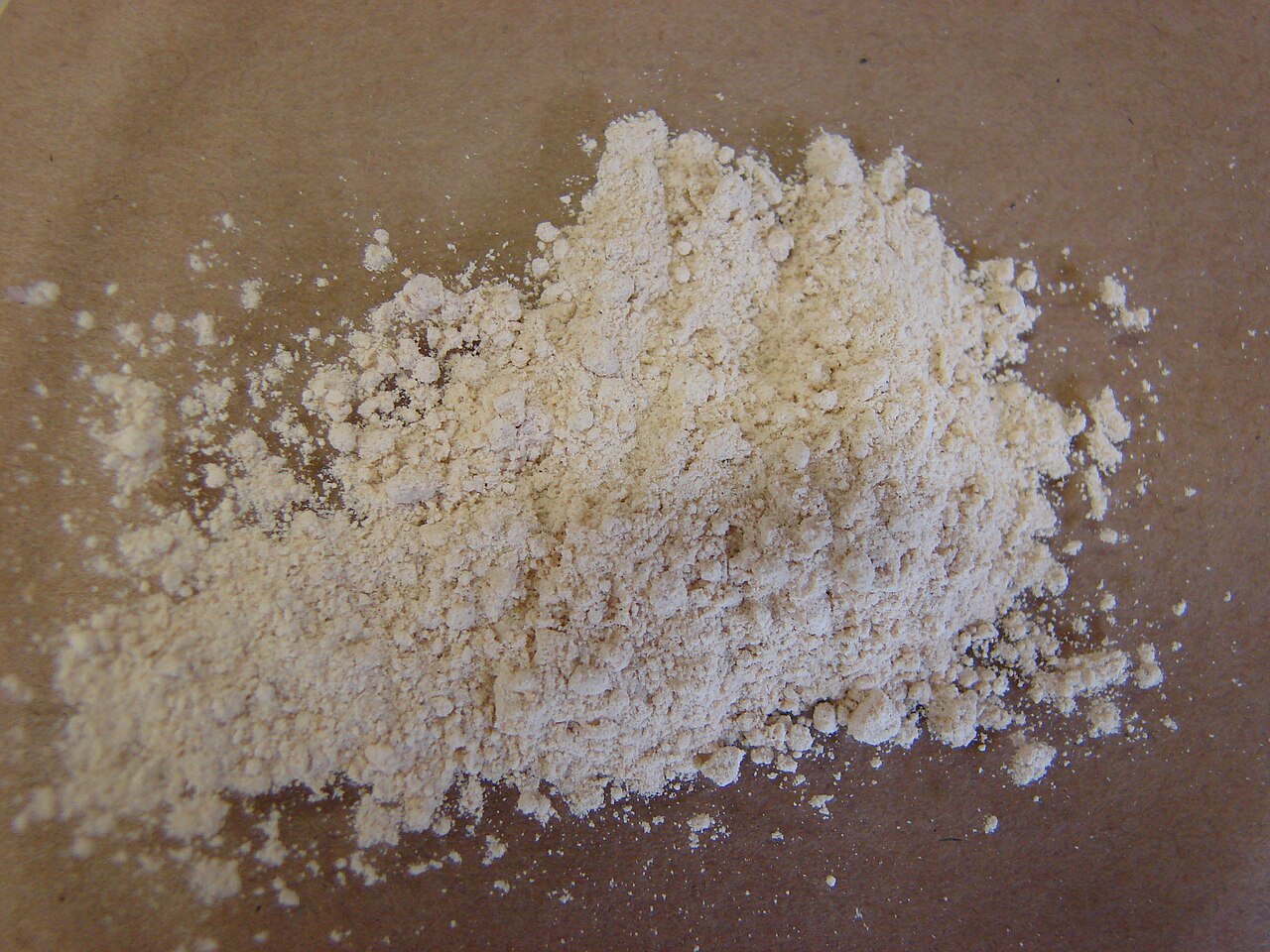
Maca can appear as a powder, capsule, extract, or ingredient in a multi-ingredient blend. A study testing a particular extract cannot simply be transferred to every product with maca on its label. The relevant comparison includes preparation, amount, duration, and the type of participant. If those details differ or are undisclosed, confidence in a direct match should be lower.
Ask the manufacturer for the complete paper and a clear explanation of how the marketed product compares. Do not let a dramatic concentration ratio answer a question it was not designed to answer. A ratio may describe processing, but it does not establish clinical equivalence. Likewise, combining maca with several other ingredients does not inherit the evidence for each ingredient as though their benefits could simply be added together.
Make the next decision about your actual concern
If the problem is persistent sexual difficulty, describe the pattern to a health professional rather than trying to choose a supplement from a vague wellness category. Note whether the concern involves desire, erection quality, discomfort, or a change after beginning a medicine. A precise description makes it easier to discuss appropriate evaluation and available options.
This guide is educational and does not determine whether maca is appropriate for any individual. The research supports careful questions, not universal promises. For readers comparing products, the practical task is to keep the desired outcome, the tested outcome, and the advertised outcome separate. When those three do not align, an appealing botanical story should not be treated as proof that the product solves the problem.
Sources & further reading
This article provides educational information. Ask a qualified clinician or pharmacist about your symptoms, medical conditions, medicines and supplement interactions.