Pistachios and erectile function: a 17-man study cannot carry a treatment claim
A short pistachio study reported better erection scores and blood-flow measures, but its design cannot separate diet effects from expectation.
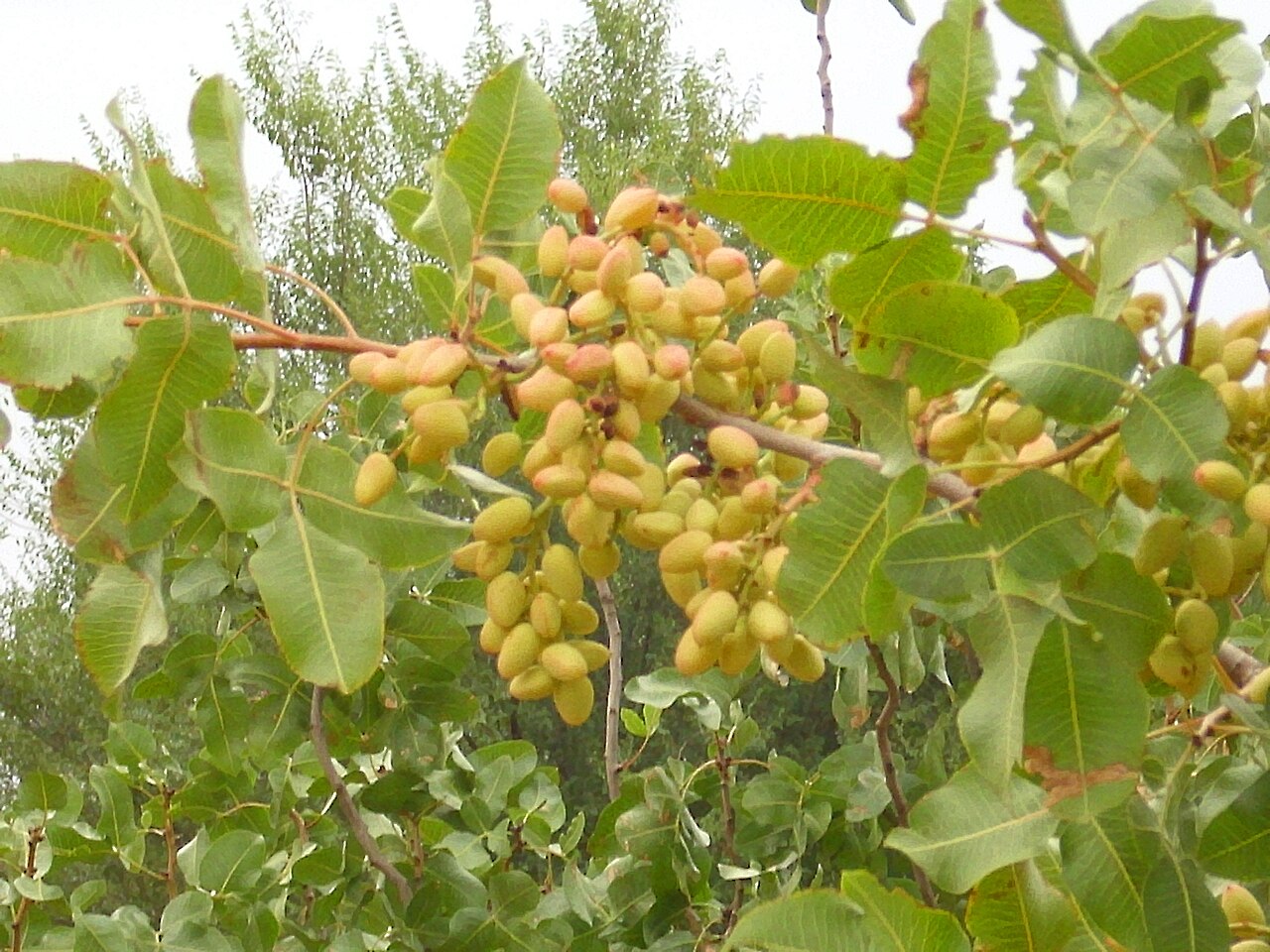
Pistachios can fit a heart-healthy eating pattern, but one uncontrolled 17-man study does not establish them as an erectile-dysfunction therapy.
The headline is tastier than the evidence
Pistachios contain unsaturated fats, fiber, plant sterols, and other nutrients that can fit a heart-conscious diet. Because erections depend heavily on vascular health, a food that supports a better overall eating pattern is relevant. That logic still does not turn pistachios into a fast or proven ED treatment.
The most-cited study involved only 17 men, lasted three weeks, and had no control group. It can show what changed after the diet. It cannot show that pistachios caused the change.
What the study asked men to eat
Participants had erectile dysfunction for at least a year. Researchers added 100 grams of pistachios to lunch every day for three weeks, then compared sexual-function scores, penile Doppler measurements, and blood lipids with each man's baseline.
Average International Index of Erectile Function scores, several Doppler measures, and lipid values improved. Those numbers are real observations. Without a comparison group, they remain open to placebo effects, regression toward the average, changes in other foods, and the extra attention that comes with joining a study.
The Doppler findings are often presented as objective confirmation, yet the test is sensitive to protocol, medication used during testing, operator technique, anxiety, and small-sample variation. Baseline-to-follow-up improvement in 17 people can be real without proving that pistachios were the cause. A convincing food trial would randomize a much larger group, control total calories and replacement foods, blind outcome assessors, and repeat the measurements after a longer period.
A large serving changes the whole diet
One hundred grams is roughly three and a half ounces and provides hundreds of calories. Adding that amount may displace other foods, or it may add energy unless the rest of the diet changes. The trial therefore cannot isolate a single pistachio compound as the active factor.
Salt also matters. Plain or lightly salted nuts fit a blood-pressure-conscious plan better than heavily salted versions. Anyone with a tree-nut allergy should avoid pistachios, and people managing weight or blood sugar may want help fitting a large serving into the rest of the day.
The study also offered little information about durability. A change measured after three weeks may fade when the eating pattern stops, or it may reflect a short-term shift that does not translate into regular sexual activity. Longer randomized follow-up should measure both validated questionnaires and real-world satisfaction while monitoring weight, calories, blood pressure, and metabolic health.
The broader diet evidence is more useful
A 2025 randomized study in infertile men compared Mediterranean and Persian-style dietary patterns and reported changes in sexual-function and semen measures. It did not test pistachios alone, but it reinforces a more practical idea: the complete eating pattern may matter more than one featured food.
Vegetables, fruits, legumes, whole grains, nuts, fish, and unsaturated oils can support cardiovascular risk management. That is valuable whether or not a single food produces a measurable erection benefit. Diet should complement, not delay, evaluation of persistent symptoms.
Use pistachios as food, not a promise
If you enjoy pistachios, choose a portion that fits your calorie needs and treat them as one part of a varied diet. Do not expect a three-week countdown or use the study's 100-gram amount as a self-prescribed therapeutic dose.
Erectile dysfunction can be an early marker of vascular disease. A clinician can review blood pressure, cholesterol, diabetes risk, medicines, hormones, sleep, and mental health. That check may deliver far more benefit than chasing one encouraging but uncontrolled food study.
There is also no reason to isolate pistachios from other unsalted nuts with favorable fat and fiber profiles. Choosing a variety can make the eating pattern easier to sustain and reduce the temptation to treat one food as medicine. If adding nuts, consider what they replace: swapping them for refined snacks or processed meat is nutritionally different from simply adding them on top of an unchanged diet. That substitution question is central to interpreting diet research.