Hidden PDE5 analogs: why sexual-enhancement testing must look beyond sildenafil
Researchers have identified more than 100 unapproved PDE5-related adulterants, complicating routine screening of sexual-enhancement supplements.
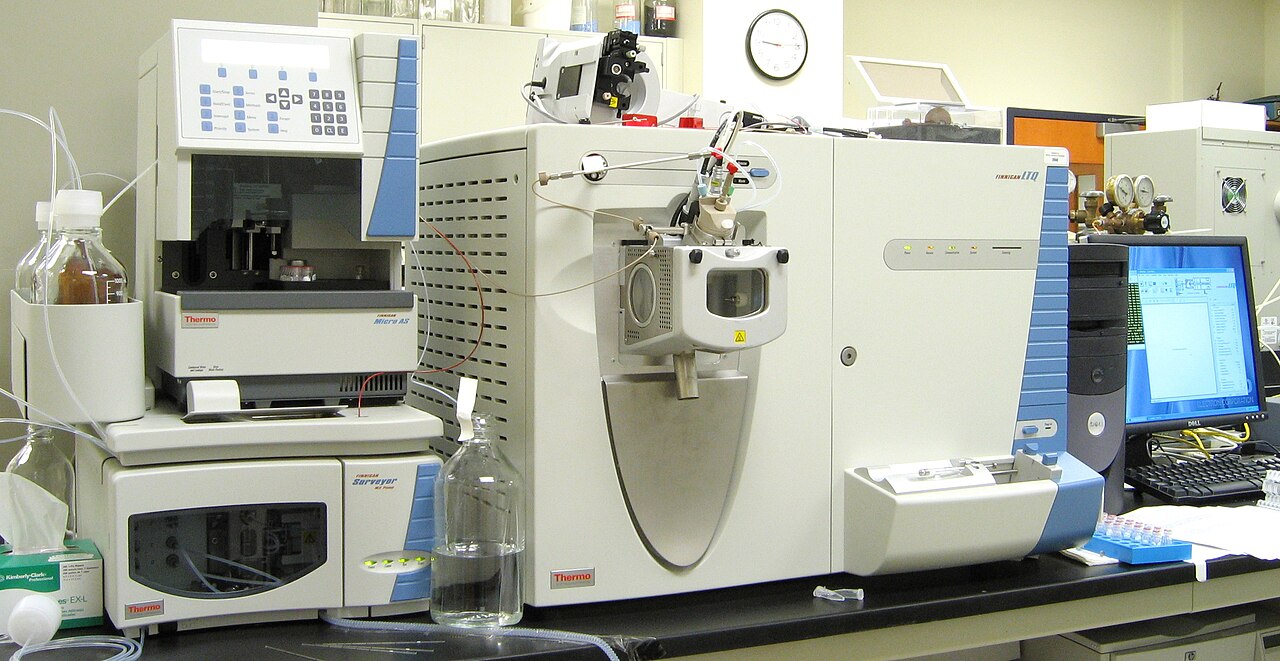
Testing only for familiar drugs can miss modified PDE5 analogs, and absence from an FDA warning list is not proof that a product is clean.
Adulteration is broader than two drug names
Warnings about tainted sexual-enhancement supplements often mention undeclared sildenafil or tadalafil. Analytical researchers have also identified many structurally modified relatives intended to mimic phosphodiesterase-5 inhibitor activity. These analogs may not appear on a label and can complicate detection, toxicology, and interaction assessment.
A 2023 analytical review cataloged 112 unapproved PDE5 inhibitors found in supplements and related products through July 2023. Most were sildenafil analogs, followed by tadalafil and vardenafil analogs. The number illustrates a moving analytical problem, not a list consumers can reliably check at home.
Modified molecules create unknowns
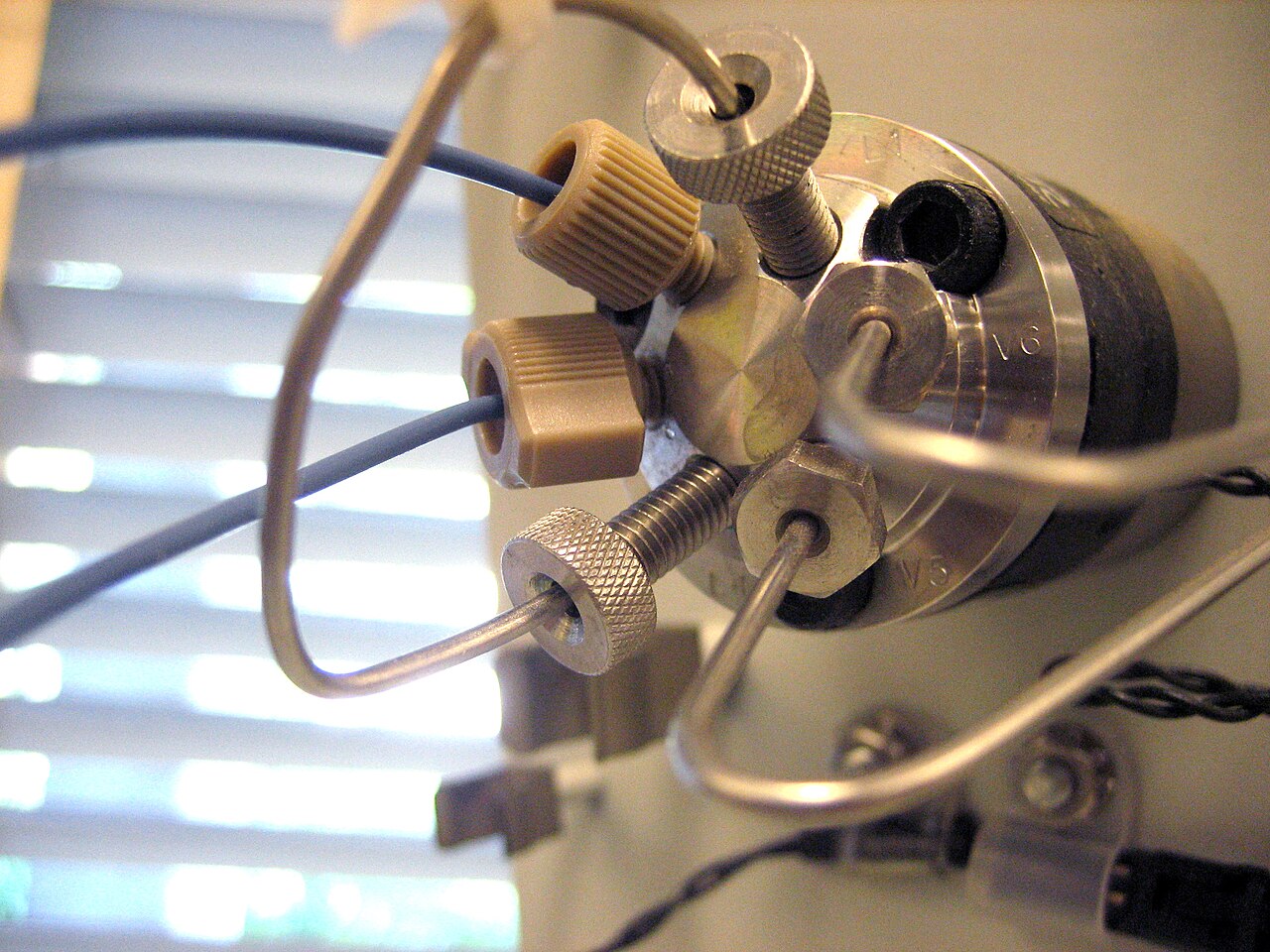
An undeclared approved drug already creates risk because the user does not know the dose or interaction profile. An unapproved analog adds uncertainty about potency, metabolism, impurities, and toxic effects. Structural similarity does not guarantee predictable behavior or quality.
Nitrate medicines are a particularly important concern with PDE5 inhibition because blood pressure can fall dangerously. Other medicines and cardiovascular conditions also matter. Packaging that says herbal or natural cannot resolve these risks when laboratory analysis finds synthetic compounds.
Different laboratories use different screens
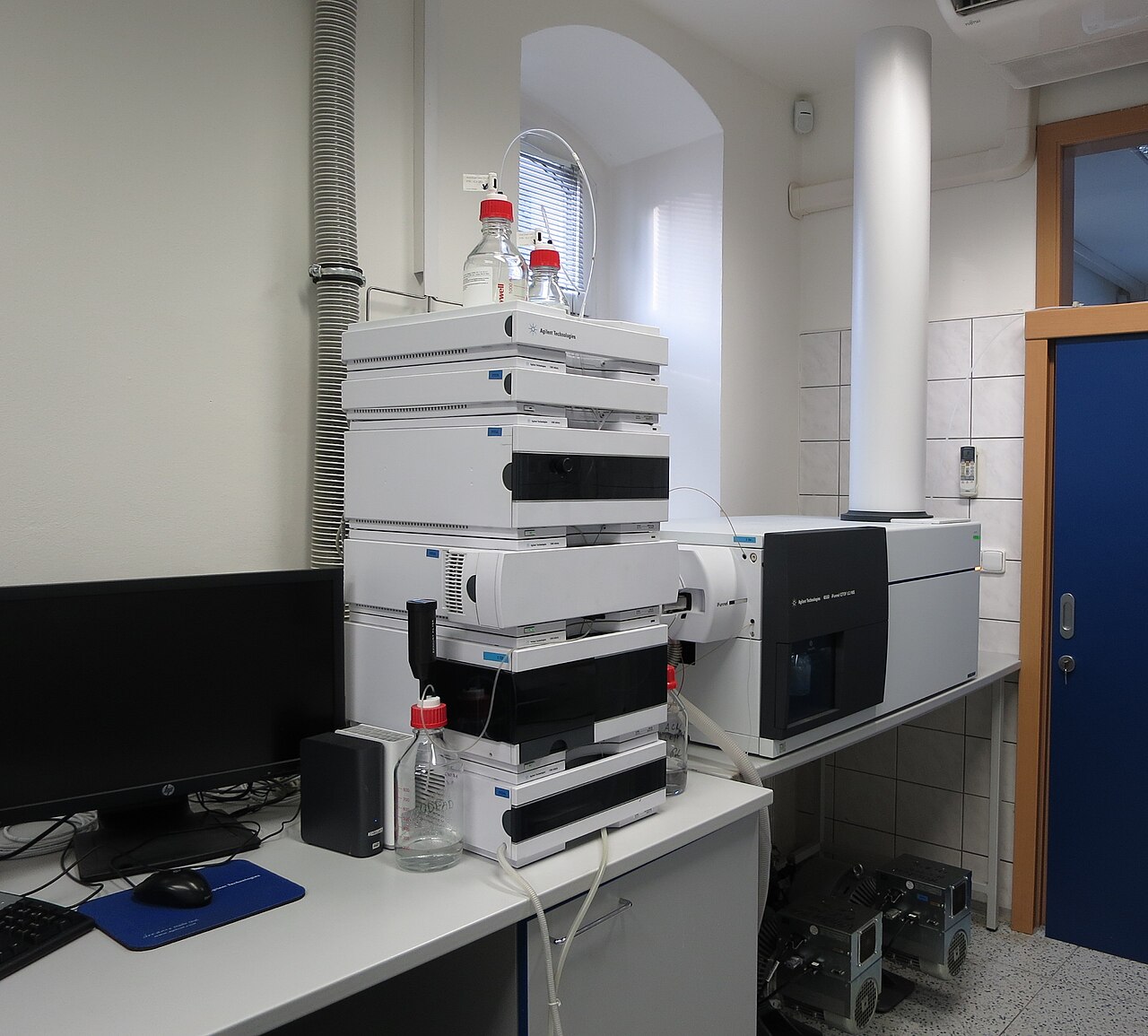
The analytical review described chromatography, ultraviolet detection, mass spectrometry, and combinations of methods used to find known drugs and analogs. A narrow panel can miss a newly modified compound. Strong testing requires reference materials, sensitive instruments, and methods capable of identifying unexpected structures.
A generic “lab tested” badge does not reveal which substances were sought, detection limits, sample identity, or whether every production lot was examined. Consumers should not interpret one certificate covering basic microbes and metals as proof that no pharmacologic adulterant is present.
Historical surveys show the practical scale
One analysis of 150 products marketed as natural sexual-performance supplements found 61 percent adulterated with PDE5 inhibitors or analogs, sometimes in mixtures. Another convenience-store and filling-station survey found pharmaceutical ingredients in 74 of 91 samples. These studies used selected markets and dates, so their percentages are not a current prevalence estimate for all products.
The consistent lesson is qualitative: undeclared pharmacology has repeatedly been documented across formats and sellers. A product missing from a public warning list may never have been tested. FDA notifications identify known problems; they do not certify every unlisted product.
A symptom deserves safer evaluation
Avoid products promising prescription-like speed while claiming to be entirely natural. If a reaction occurs, seek medical help and keep the package, lot, and purchase information. Report suspected products through appropriate safety channels rather than assuming the experience proves that an herb worked.
Persistent erectile dysfunction should be evaluated with a clinician who can consider underlying causes and evidence-based options. This guide does not provide a clean-product list because testing changes and contamination can be lot-specific. The safest interpretation of the research is that sexual-enhancement adulteration requires broader scrutiny than checking for sildenafil alone.
Regulatory warning databases identify products already found problematic; they cannot certify everything absent from the list. Names, packaging, sellers, formulas, and lots change, and a modified analog may not be included in the laboratory's target panel. A missing warning therefore means unknown status, not a clean bill of health.
A laboratory result also has a defined scope. It applies to the sampled lot, the method, the target list, and detection limits. A strong certificate should identify each of those details and explain whether untargeted screening was used. Microbial and heavy-metal testing does not establish the absence of undeclared pharmacologic compounds.
Phrases such as FDA registered, inspected facility, or made in the USA do not mean the agency approved the sexual-health claim or tested each batch. The relevant questions remain what the finished lot contains, whether testing could detect unexpected analogs, and whether the claimed benefit has direct evidence.
The analytical surveys cannot be used to estimate today's entire market because they sampled selected products, places, and years. Their value is demonstrating repeated real-world adulteration, sometimes at high and inconsistent amounts. That history makes prescription-like promises, rapid-onset claims, and missing lot information reasons for caution rather than signs that a natural formula is unusually effective.
Sources & further reading
This article provides educational information. Ask a qualified clinician or pharmacist about your symptoms, medical conditions, medicines and supplement interactions.