What “supports male performance” means on a supplement label
Learn to distinguish broad wellness language, structure/function claims, disease claims, and evidence of clinical benefit on sexual-health product pages.
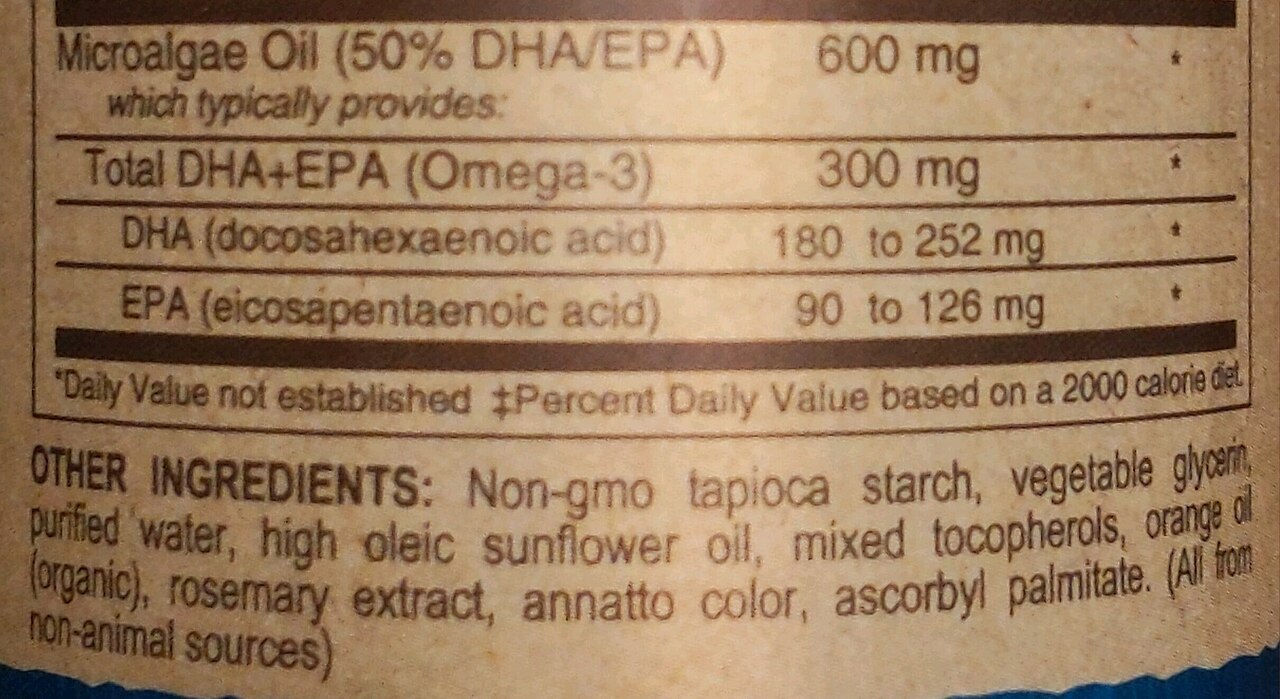
Permitted wording is not the same as demonstrated clinical benefit. Identify the exact claim and ask for the evidence supporting it.
Translate the promise into a question
A sexual-wellness label may promise to support performance, maintain vitality, or promote circulation. These phrases can sound specific while leaving the actual outcome undefined. Before judging the product, rewrite the promise as a testable question. Is it supposed to change desire, erection quality, fatigue, or a laboratory measure? If the wording does not say, a reader should not silently fill in the strongest possible interpretation.
This simple translation makes comparison easier. Two products with similar imagery may be making different claims, while two different phrases may imply the same hoped-for benefit to a shopper. Record the wording exactly, including qualifiers such as may or helps. Advertising often depends on the reader supplying a conclusion that the sentence itself does not clearly state.
Understand the label category
FDA distinguishes structure/function claims from claims about treating disease. Structure/function claims describe effects on normal body structure or function and do not require preapproval by FDA. Supplement labels carrying these claims must include a disclaimer explaining that FDA has not evaluated the claim and that the product is not intended to diagnose, treat, cure, or prevent disease.
That disclaimer is not a statement that a product has been proved ineffective, and it is not an FDA endorsement. It tells readers something about the regulatory status of the claim. The manufacturer remains responsible for truthful, nonmisleading statements. A shopper still needs to ask what research supports the specific promise and whether the marketed product matches the intervention studied.
Do not confuse several meanings of approval
A product page may refer to manufacturing standards, an ingredient database, a laboratory certificate, or a facility registration. Each refers to a different question. None should be casually translated into approval of the product's sexual-health benefit. A real manufacturing document can be relevant while still offering no clinical evidence that the advertised outcome occurs.
FDA's consumer guidance explains that dietary supplements are not approved for safety and effectiveness before marketing in the same way as drugs. When a seller uses an approval-related phrase, ask exactly what was reviewed, by whom, and for what purpose. An answer about the factory does not resolve a question about treatment benefit, and a familiar government acronym is not a substitute for a direct explanation.

Match evidence to the finished product
Once the claimed outcome is clear, identify the study supporting it. A meaningful comparison records the preparation, individual ingredient amounts, duration, participants, and outcome measures. A paper about one botanical extract cannot automatically validate a blend of several ingredients. Nor can an animal experiment establish a demonstrated benefit in people simply because the pathway sounds relevant.
Look for the entire paper or an accessible abstract rather than a row of journal logos. Ask whether the study tested the product now on sale and whether the result was compared with placebo or another appropriate control. A retailer's summary may omit uncertainty, so read the authors' conclusion and limitations. If the connection remains unclear, label it unresolved rather than converting a citation into proof.
Use the claim to guide a better decision
Bring the exact label wording and ingredient panel to a health professional if you are considering a product for persistent sexual symptoms. Explain the problem you hope to address rather than asking only whether a brand is legitimate. A product can be legally marketed and still be poorly matched to a person's concern or have insufficient evidence for the benefit they expect.
This guide explains claim interpretation and does not offer a legal determination about an individual label or prescribe treatment. Its practical value is in slowing down the jump from attractive wording to assumed clinical benefit. A clear claim, relevant evidence, and an appropriate safety review are separate pieces of a decision. A professional-looking label should help you locate them, not replace them.
Sources & further reading
This article provides educational information. Ask a qualified clinician or pharmacist about your symptoms, medical conditions, medicines and supplement interactions.