Shilajit and testosterone: a purified extract trial cannot validate every resin
One randomized trial reported hormone changes with purified shilajit, while an infertility study lacked a placebo group. Product identity remains crucial.
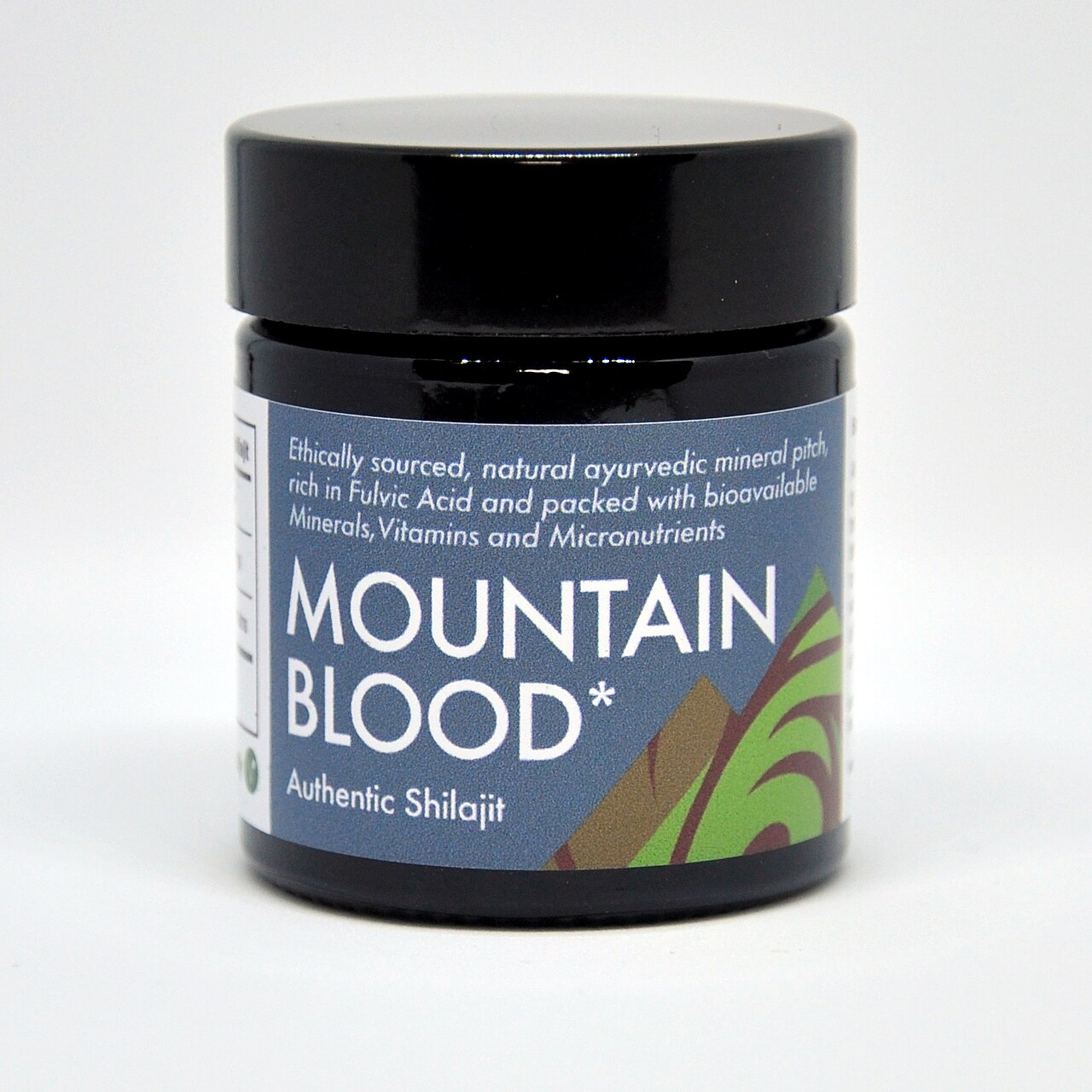
A favorable trial of one purified shilajit preparation does not establish that raw resin, gummies, blends, or other products raise testosterone safely.
Shilajit is not one chemically uniform ingredient
Shilajit is a complex mineral-organic material used in traditional medicine and sold as resin, powder, capsules, and gummies. Composition can vary with source and processing. Research on a purified, characterized preparation cannot be transferred automatically to raw material or a product that does not document purification and identity.
That distinction is especially important when a natural material may contain environmental contaminants or be adulterated. A certificate addressing selected metals is useful quality information, but it does not prove a testosterone or fertility benefit. Clinical efficacy and product purity are separate questions.

The randomized hormone trial reported increases
A randomized double-blind placebo-controlled study enrolled healthy men ages 45 to 55. Participants took 250 milligrams of purified shilajit twice daily or placebo for 90 days. The authors reported greater total testosterone, free testosterone, and DHEAS in the active group while luteinizing and follicle-stimulating hormones were maintained.
The result is a specific signal for that purified preparation, dose, duration, and age range. It does not demonstrate better sexual function, strength, mood, fertility, or symptoms, because a hormone measurement is not a patient-important outcome. Independent replication and transparent product characterization would strengthen confidence.
The infertility study used a weaker design
A separate clinical study gave processed shilajit to men with low sperm counts for 90 days. Twenty-eight completed treatment, and semen measures and testosterone improved compared with their own baselines. However, the study did not include a concurrent placebo group, so time, repeated testing, behavioral changes, and regression toward the average cannot be excluded.
Semen measurements naturally vary, making a control group particularly important. An improvement in sperm count also does not establish pregnancy or live birth, and it cannot be presented as proof of improved erections or libido. The trial addresses a different population and outcome from the randomized testosterone study.
Do not diagnose low testosterone from an advertisement
Symptoms such as fatigue, low desire, mood change, or reduced training performance have many possible causes. Testosterone deficiency is evaluated with clinical history and appropriately timed laboratory testing, often repeated. Taking shilajit to see whether someone feels different is not a diagnostic method.
Anyone considering a product should ask for source, purification, batch testing, individual amount, and evidence that the sold preparation matches the trial. Discuss use with a clinician when symptoms, fertility, medicines, or hormone testing are involved. Current evidence is too product-specific and limited to support a broad shilajit testosterone claim.
Product quality is part of the evidence match
A trial of purified shilajit depends on the purification and characterization steps, not merely the word printed on the bottle. A useful certificate of analysis should identify the tested batch, methods, limits, and results for relevant contaminants rather than display a generic “lab tested” badge. Even a genuine certificate cannot establish that the product recreates the clinical trial's composition.
Consumers also should be cautious when a resin's origin story substitutes for measurable specifications. Geography, altitude, color, and traditional use do not reveal the amount of the trial material's constituents or rule out contamination. A strong product comparison would connect the exact batch to identity and purity testing, then separately show that the same preparation and dose produced a replicated clinical outcome. Current retail claims rarely meet both standards.
Hormone outcomes should be interpreted in context as well. Testosterone varies by time of day, illness, sleep, calorie intake, and laboratory method. A trial should explain sampling times and baseline values, and readers should look for absolute concentrations rather than percentages alone. Even a statistically significant group increase does not show that participants with symptoms became symptom-free or that men with clinically confirmed deficiency can replace established evaluation and treatment. The randomized study enrolled healthy middle-aged volunteers, not men diagnosed with hypogonadism, and that population difference limits the claim.
Clinical significance remains unresolved
The randomized trial reported hormone changes but did not establish that participants experienced better desire, erections, energy, strength, mood, or quality of life. Those outcomes cannot be inferred from a laboratory increase. A more useful replication would prespecify symptoms and functional measures alongside hormones, report absolute changes, and disclose funding and product-manufacturer involvement clearly.
Sources & further reading
This article provides educational information. Ask a qualified clinician or pharmacist about your symptoms, medical conditions, medicines and supplement interactions.