Sleep apnea and erectile dysfunction: can CPAP improve sexual function?
Obstructive sleep apnea and ED often overlap. A randomized CPAP trial and meta-analysis suggest possible improvement, but adherence and vascular risks matter.
Treating obstructive sleep apnea is important for health and may improve erectile function in some men, but CPAP is not a guaranteed ED treatment and adherence strongly shapes the result.
A sleep problem can show up in sexual health
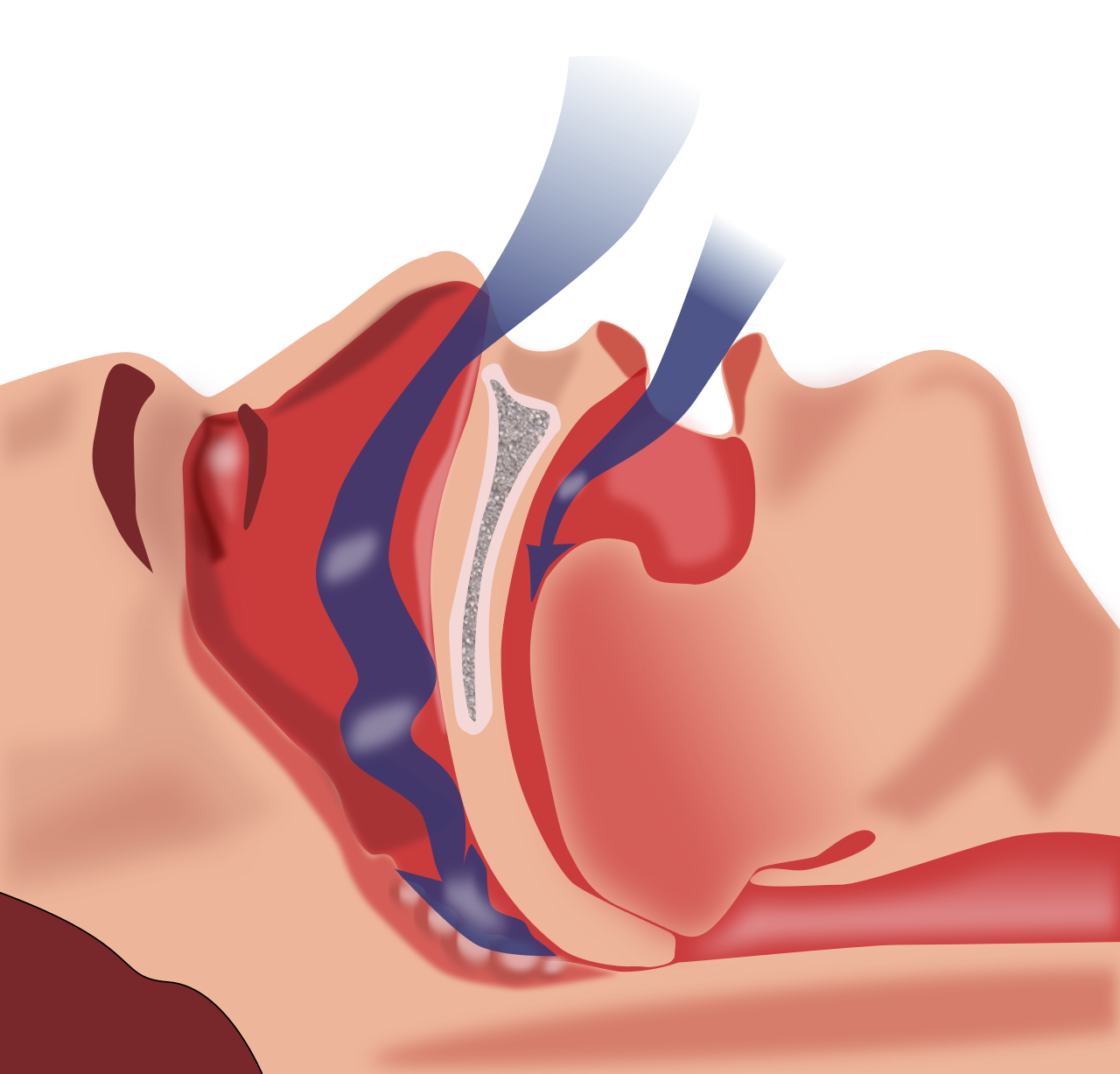
Obstructive sleep apnea repeatedly narrows or closes the airway during sleep. Oxygen levels fluctuate, sleep fragments and sympathetic stress rises. Men with apnea report erectile dysfunction more often than men without it, but the overlap does not prove that apnea is the only cause. Obesity, diabetes, blood pressure and vascular disease can drive both conditions.
That is why an ED visit should ask about loud snoring, witnessed pauses, morning headaches and daytime sleepiness. It is also why a vitamin D association cannot stand in for diagnosis: shared health factors can create a relationship even when correcting one marker does not correct erections.
The CoQ10 erectile-function trials illustrate why a shared vascular pathway does not establish a sleep treatment.
The randomized CPAP trial found a mixed answer
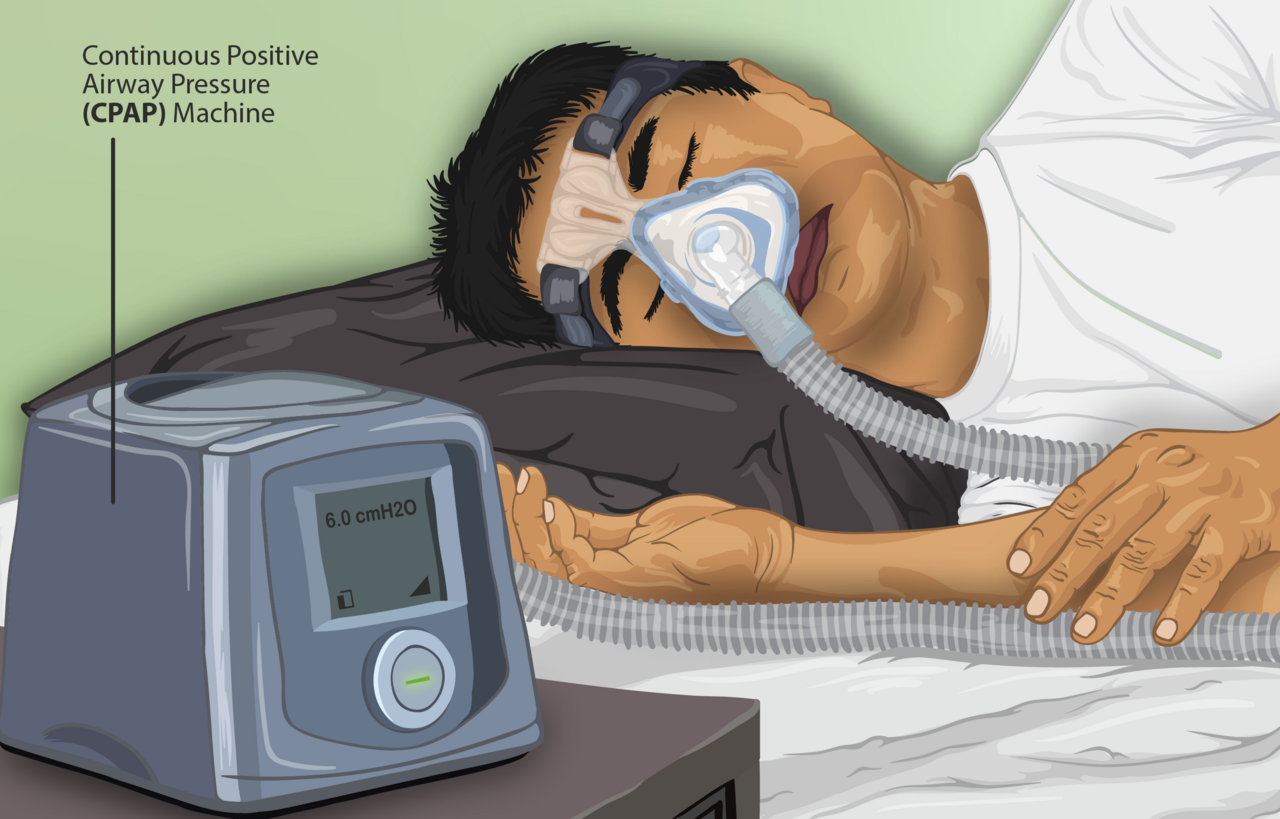
A multicenter randomized trial studied men with newly diagnosed sleep apnea and ED. After three months, CPAP improved erectile-function scores within the treatment group, but the difference versus control on the primary erectile endpoint was not clearly significant. Sexual satisfaction and sleep-related measures improved, and greater CPAP use appeared relevant.
The trial supports testing and treating apnea for its established health benefits, not promising that a mask will replace ED care. CPAP cannot repair every vascular, neurological or medication contributor. Men who continue to have symptoms may still need a sexual-health evaluation and discussion of prescription options.
The folic acid combination evidence likewise belongs to its exact intervention.
Meta-analysis suggests improvement, with limits
A 2021 meta-analysis pooled studies of CPAP and found a significant average improvement in erectile-function scores. The included studies were small and varied in design, treatment duration and adherence. Pooled improvement is encouraging, but it does not tell one man how much benefit to expect or whether untreated apnea caused his ED.
Sleep restriction and testosterone research adds another layer: sleep can influence hormones, but short laboratory studies do not diagnose hypogonadism. Morning testosterone testing may be reasonable when symptoms fit, yet treating apnea and improving sleep continuity come before selling a hormone explanation.
Our L-arginine study questions guide explains why nitric-oxide language alone is incomplete.
CPAP only works while it is used
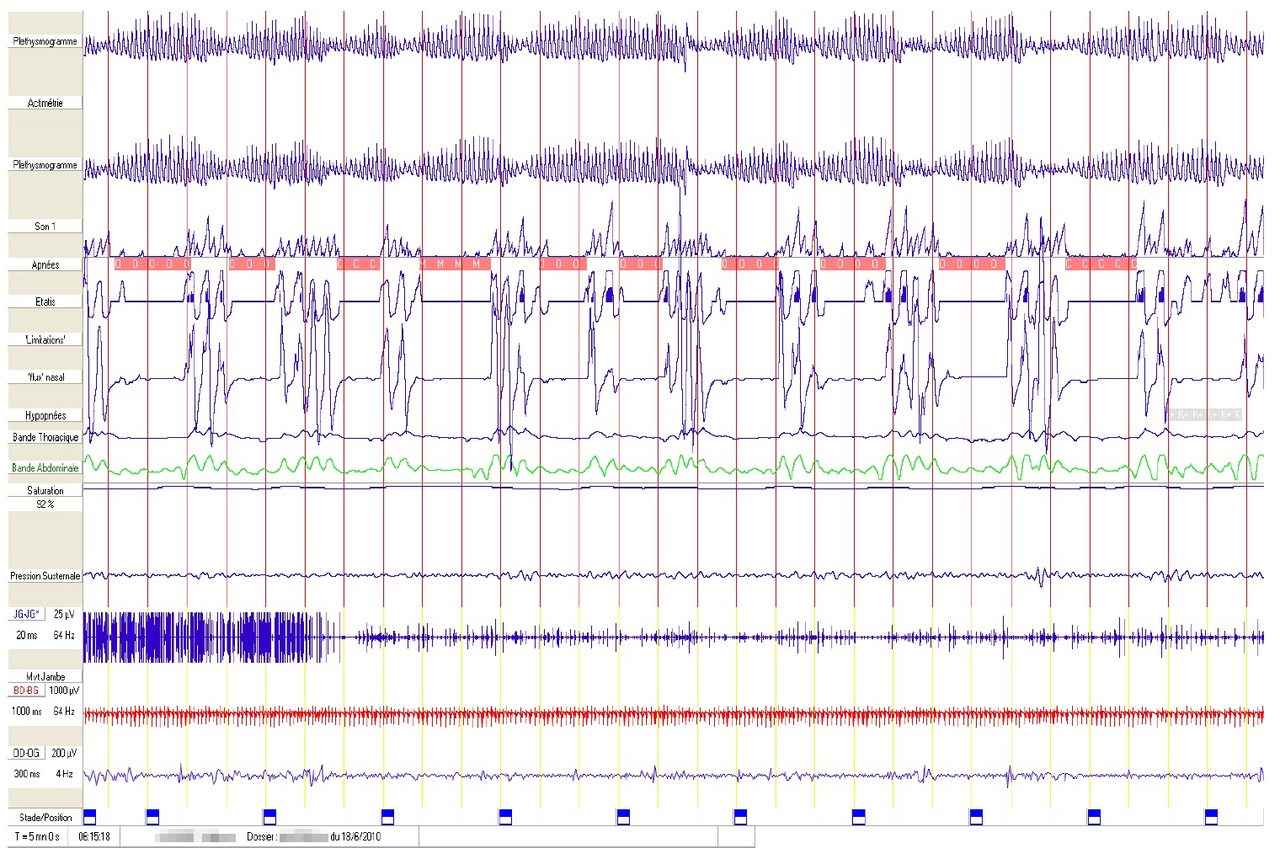
Mask leaks, dryness, pressure intolerance and congestion are common barriers. A sleep clinic can adjust mask type, humidification and pressure settings. Oral appliances or other treatments may be considered for selected patients. Stopping therapy because erections did not change quickly ignores the cardiovascular and daytime-function reasons apnea treatment was prescribed.
Track CPAP hours, residual apnea events, sleepiness and erectile symptoms over several months. Avoid judging the machine after a few difficult nights. If erections improve, that is useful; if they do not, the result still does not mean treatment failed at its primary job of controlling airway obstruction.
A practical combined plan
Seek evaluation when snoring and daytime symptoms coexist with ED, especially with obesity, resistant hypertension or atrial fibrillation. Continue prescribed CPAP and review data with the sleep team. Separately review nitrates, alpha blockers, antidepressants, alcohol, smoking and cardiovascular fitness with the clinician managing ED.
Do not replace apnea treatment with a sexual supplement or assume a PDE5 inhibitor fixes nighttime oxygen loss. Our male enhancement evidence guide explains why symptom relief and underlying risk-factor care can run in parallel. CPAP may help sexual function, but its strongest case remains treating a real sleep-breathing disorder safely.
Bed partners can help identify snoring and pauses, but a home recording is not a diagnosis. Testing may use a home sleep-apnea device or an in-lab study depending on symptoms and other conditions. Men with severe sleepiness should avoid drowsy driving while waiting for care. Weight management, exercise and reducing evening alcohol may support treatment, but they should not be used to postpone prescribed CPAP when apnea is significant. The most useful expectation is layered: control the airway disorder for health, measure sexual symptoms over time and treat persistent ED on its own evidence rather than demanding that one therapy solve both problems.
Bring CPAP reports to follow-up rather than relying on memory. Residual events, leak and nightly use can show whether treatment is actually effective enough to judge any downstream change in sexual function.
The vitamin D randomized trial is another caution against turning an association into guaranteed improvement.