Beta-sitosterol for prostate symptoms: short-term improvement is not prostate shrinkage
Older trials found better urinary scores and flow, but beta-sitosterol did not shrink the prostate and long-term outcomes remain uncertain.
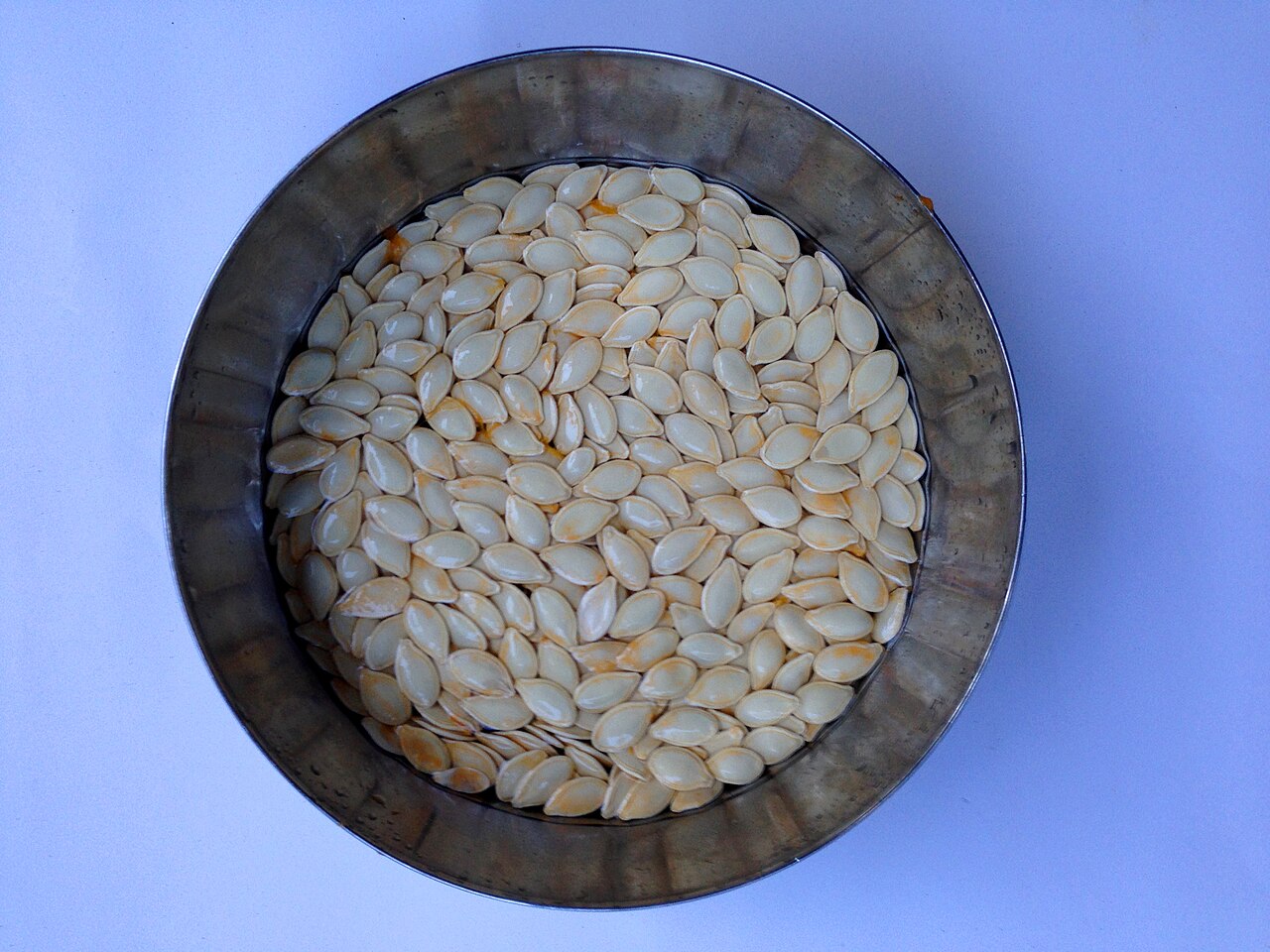
Beta-sitosterol may improve short-term urinary measures, but it has not been shown to shrink the prostate or prevent long-term BPH complications.
Symptom relief and prostate size are different
Beta-sitosterol is a plant sterol included in prostate formulas. Marketing may imply that improved urination means a smaller or healthier prostate. Trials measured symptom scores, urine flow, residual urine, and prostate volume separately, and the results were not identical.
A product can change how symptoms are reported without changing anatomy or disease progression. Readers should identify the exact endpoint before interpreting a prostate-support claim.

A multicenter trial reported short-term improvement
A randomized double-blind placebo-controlled trial assigned 200 men with symptomatic benign prostatic hyperplasia to a mixed phytosterol preparation or placebo for six months. Symptom scores, peak urine flow, and residual volume improved more with beta-sitosterol, while prostate volume did not meaningfully decline.
The result supports a short-term signal for that preparation. It does not establish prevention of urinary retention, surgery, infection, kidney complications, or cancer. Those longer-term outcomes require longer and larger studies.
The systematic review pooled four trials
A systematic review included 519 men across four randomized double-blind placebo-controlled trials lasting four to 26 weeks. Pooled results favored beta-sitosterol for symptom scores and flow measures. Preparations varied, and the glucoside-only product did not show the same pattern.
The review concluded that long-term effectiveness, safety, and ability to prevent complications were unknown. That limitation remains central because BPH is a chronic condition, not a four-week laboratory test.
The label must match the preparation
Products can contain mixed free sterols, sterol esters, glucosides, or blends with saw palmetto and other botanicals. A front-label beta-sitosterol amount may not describe the mixture used in a trial. Evidence for one preparation cannot validate a different combination.
Ask for individual amounts and the exact cited study. Independent identity testing helps with composition, but it cannot show that symptoms improve or remain improved long term.
Urinary symptoms still need evaluation
Weak stream, urgency, frequent urination, and nighttime waking can have causes other than BPH. Blood in urine, pain, fever, inability to urinate, or rapid change requires prompt medical attention. A supplement response cannot diagnose an enlarged prostate.
This guide does not recommend beta-sitosterol. Older trials suggest short-term symptom and flow benefits, while prostate shrinkage and prevention of complications were not shown. The useful claim is narrower than “prostate health,” and product differences make matching essential.
The trials were conducted decades ago and lasted no more than about six months. They cannot establish whether benefit persists for years, whether the dose remains effective, or whether beta-sitosterol delays urinary retention, infection, bladder damage, surgery, or other complications. Chronic-use safety also requires longer observation.
Placebo groups can improve because symptoms fluctuate and study participation changes behavior. The between-group difference is therefore more informative than the active group's starting-to-ending score. Future studies should report the share of men achieving a clinically meaningful response and how many later need standard medical or surgical care.
Sexual effects deserve separate tracking. Some men choose supplements because they fear prescription side effects, but a short trial cannot guarantee no effect on erections or ejaculation for every user. Shared decision-making should compare established options with the much more limited long-term evidence for plant sterols.
The age of the evidence matters because diagnostic standards, outcome measures, and available treatments have evolved. Older positive trials are not automatically invalid, but modern replication would improve confidence and relevance. It should use a clearly characterized preparation, current symptom scales, adequate follow-up, and comparison with both placebo and established care where appropriate. Until then, beta-sitosterol remains a short-term symptom candidate rather than a proven disease-modifying strategy.
Men should not use symptom improvement to skip appropriate monitoring. Urinary complaints can coexist with infection, bladder dysfunction, medication effects, prostate cancer, or other conditions. Beta-sitosterol also should not be expected to change prostate-specific antigen interpretation or substitute for clinician-directed evaluation. A supplement trial answers a symptom question; it does not establish a diagnosis or rule out serious disease.
Sources & further reading
This article provides educational information. Ask a qualified clinician or pharmacist about your symptoms, medical conditions, medicines and supplement interactions.