Saw palmetto, prostate symptoms, and sexual function: what the large CAMUS trial found
Escalating saw-palmetto doses did not beat placebo for urinary or sexual outcomes in a large trial, despite reassuring short-term safety findings.
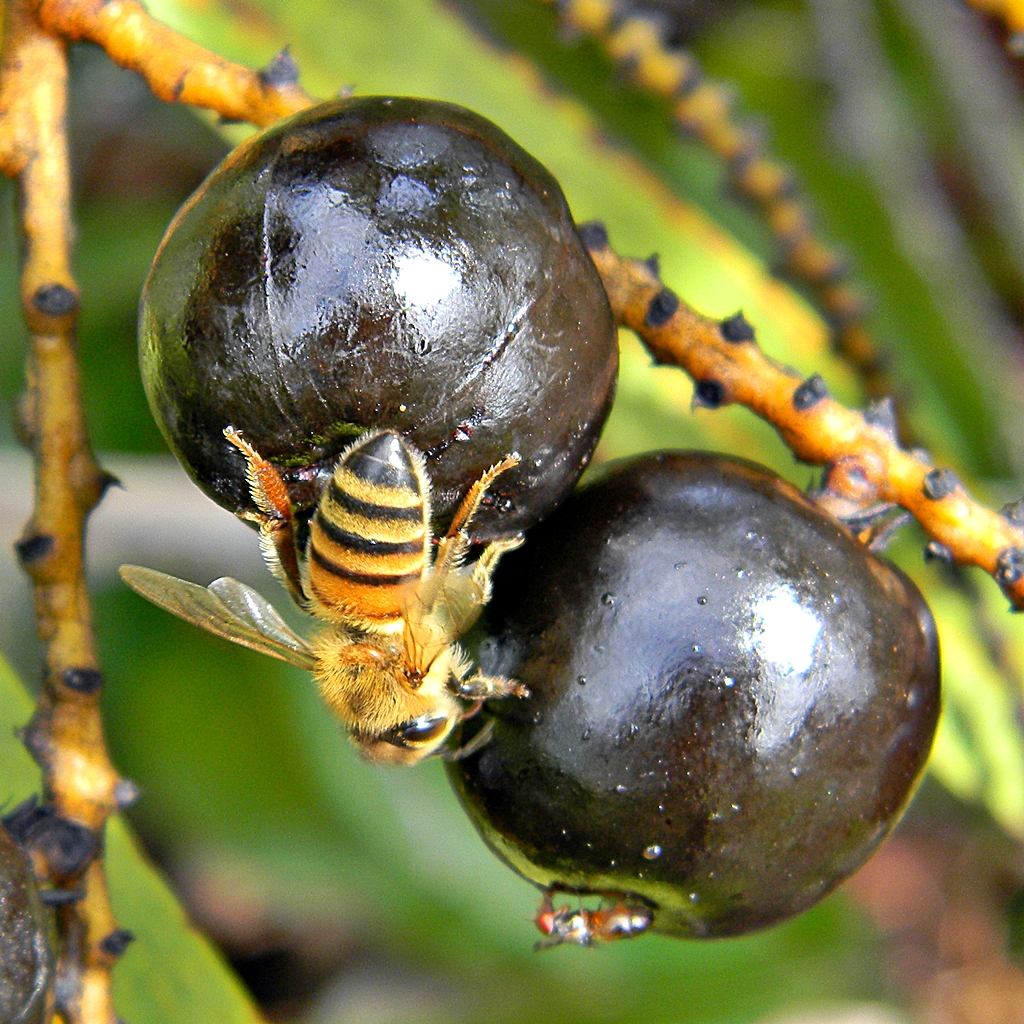
A large multicenter trial found saw palmetto no better than placebo for urinary symptoms or sexual-function measures, even at three times the usual dose.
Prostate marketing often includes sexual promises
Saw palmetto is sold mainly for lower urinary tract symptoms attributed to an enlarged prostate, but labels may also imply support for sexual function or men's vitality. Urinary comfort, prostate size, erectile function, desire, and ejaculation are different outcomes. Evidence for one cannot be assumed to prove the others.
Extracts also vary by solvent and fatty-acid composition. A defined ethanolic extract in a trial may not match a berry powder or another commercial preparation. Botanical identity alone does not establish equivalent exposure or efficacy.
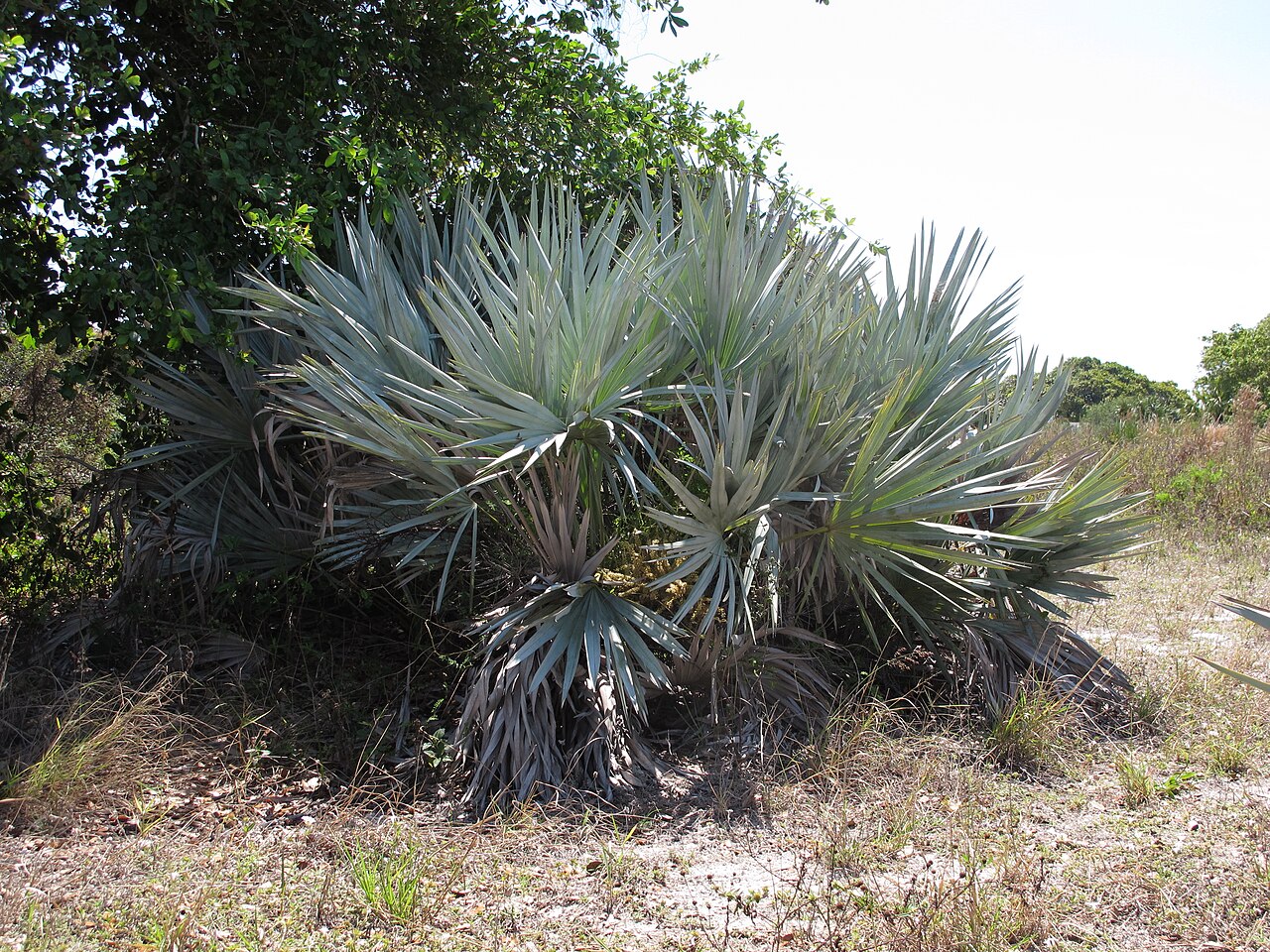
The multicenter trial tested escalating doses
The CAMUS randomized double-blind placebo-controlled trial enrolled 369 men at 11 North American sites. Participants received placebo or a saw-palmetto extract that increased from 320 to 640 and then 960 milligrams daily over 72 weeks. The main outcome was change in a validated urinary-symptom score.
Urinary scores improved in both groups, but the between-group result favored placebo numerically and saw palmetto was no better on the primary or secondary outcomes. Those secondary outcomes included sexual-function indices. Increasing the dose to three times the commonly used amount did not reveal a hidden benefit.
Earlier findings were inconsistent
An earlier six-month randomized trial in 85 men reported a greater decrease in urinary symptom scores with saw palmetto, but no measurable change in sexual-function questionnaire results or peak urine flow compared with placebo. Smaller early results and a larger later null trial can coexist; the total evidence should not be represented by selecting only the favorable paper.
Differences in extract, sample size, duration, and methods may explain some inconsistency. They do not establish that an untested retail product works. Replication with the same preparation is more persuasive than assuming every difference rescues the claim.
Safety data do not create efficacy
A detailed CAMUS safety analysis found no major difference in serious or nonserious adverse events, laboratory abnormalities, or withdrawals during 18 months, even with escalating doses. That is useful information about the studied extract. It does not prove symptom benefit, rule out rare reactions, or guarantee the quality of other products.
Men with urinary changes, blood in urine, pain, infection symptoms, or persistent sexual difficulties should seek appropriate evaluation. This guide does not recommend saw palmetto. The large trial found no efficacy advantage, and a reassuring safety profile cannot be substituted for an outcome the extract failed to improve.
Placebo improvement is part of the result
In CAMUS, urinary scores improved in both groups, and the placebo group improved slightly more. Symptoms can fluctuate, study participation can change behavior, and expectations can influence reporting. Comparing only the saw-palmetto group's starting and ending scores would therefore create a misleading success story. The randomized between-group comparison is the key evidence.
The same rule applies to sexual-function measures. A product should not claim benefit because users reported changes during a trial if the placebo group changed similarly. Larger dose numbers also do not establish a stronger effect when the escalation was tested and remained ineffective. CAMUS is useful precisely because it examined that popular rescue argument over a long follow-up period.
Men should also avoid using a supplement response to decide whether symptoms came from an enlarged prostate. Similar urinary changes can have different causes, and symptom severity does not reliably reveal prostate size or rule out infection and other conditions. A medical evaluation can determine whether watchful waiting, behavioral measures, medicine, or further testing is appropriate. The absence of sexual side effects in a trial does not make an ineffective product a useful diagnostic experiment. Likewise, “prostate support” is not a defined endpoint; a seller should name the symptom, score, or flow measure it claims to affect.
Dose escalation did not rescue the claim
CAMUS is especially informative because it tested the common argument that standard-dose saw palmetto simply is not strong enough. Participants escalated to three times the usual dose without outperforming placebo. That does not prove every extract is identical, but it directly undermines marketing that treats a larger milligram number as evidence of greater urinary or sexual benefit.
Sources & further reading
This article provides educational information. Ask a qualified clinician or pharmacist about your symptoms, medical conditions, medicines and supplement interactions.