Fenugreek for libido is not the same claim as fenugreek for testosterone
Fenugreek studies use different extracts and outcomes. Separate libido questionnaires, testosterone measurements, symptoms, and commercial claims.
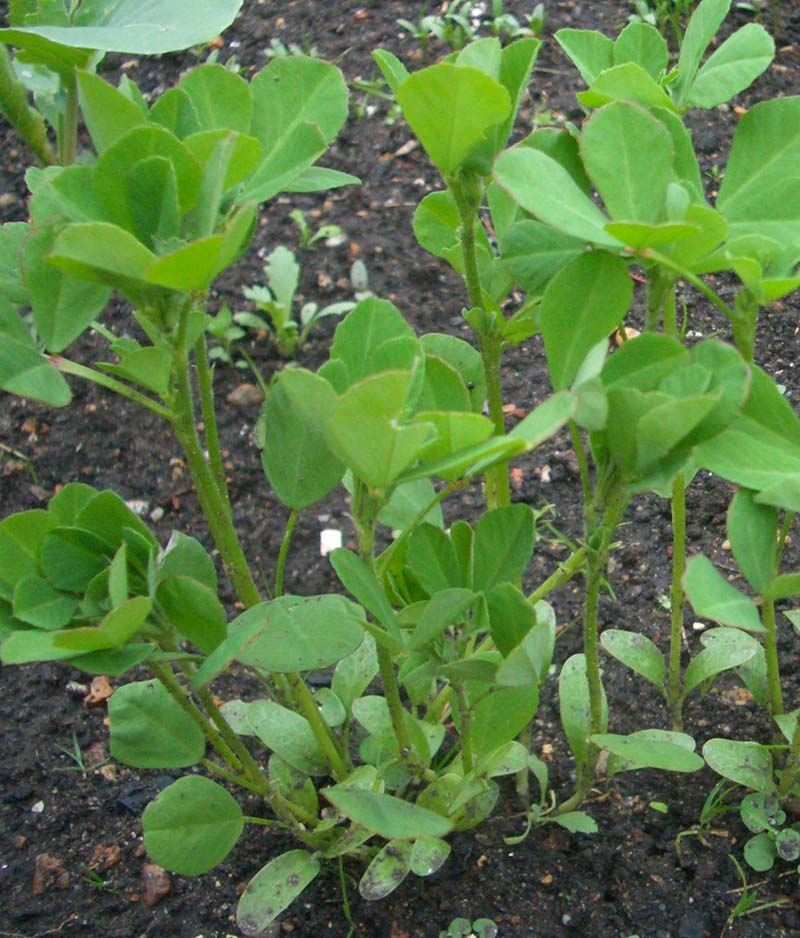
Fenugreek trials do not support one sweeping male-vitality claim. Extracts, populations, hormone measures, and subjective outcomes differ.
Libido and testosterone are related but not interchangeable
Fenugreek products frequently place desire, testosterone, strength, energy, and erections on the same label. Those outcomes can influence one another, but a change in one does not prove a change in the rest. Libido is usually measured with questionnaires, while testosterone requires properly collected and interpreted laboratory samples.
A product claim should identify which outcome was studied. An improvement in self-reported arousal cannot be presented as proof that testosterone increased, and a laboratory change does not automatically establish better sexual function. Keeping those lines visible prevents a broad “male vitality” phrase from outrunning the research.
An early libido study used a formula, not plain seed
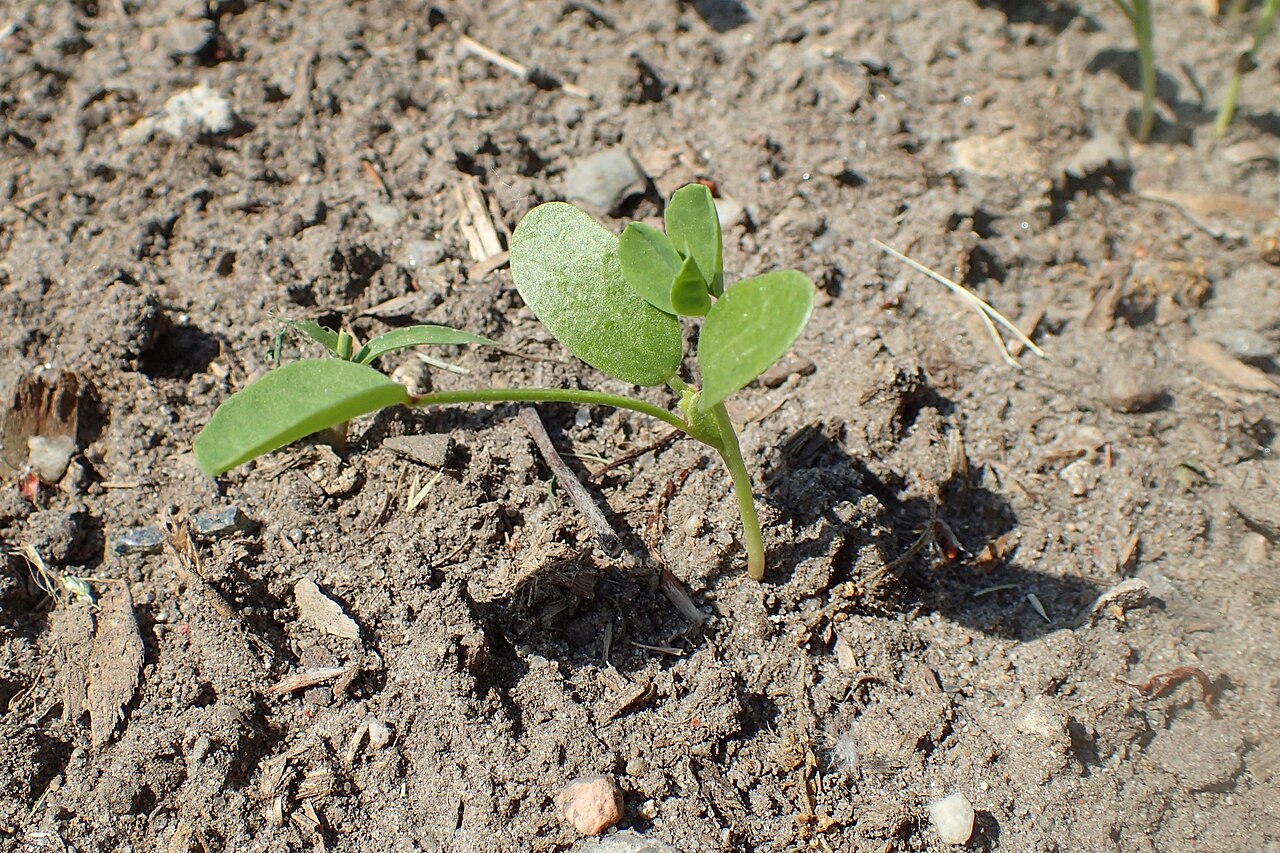
A 2011 double-blind randomized placebo-controlled trial enrolled 60 healthy men without erectile dysfunction. The active intervention was a standardized fenugreek extract and mineral formulation for six weeks. The authors reported improvements in selected self-reported libido domains, while serum testosterone remained within the reference range.
The study does not establish treatment for erectile dysfunction, and it did not test every fenugreek preparation. Because the intervention included a standardized extract and minerals, a raw-seed powder or different blend is not an automatic match. The selected healthy population also differs from men seeking evaluation for persistent sexual symptoms.
A newer hormone study produced a mixed pattern
A 2024 randomized trial assigned 95 older men to placebo or several doses of a fenugreek extract with essential nutrients for 12 weeks. Total testosterone and free-testosterone index rose from baseline, but the overall comparisons with placebo were not statistically significant. Salivary testosterone increased compared with placebo, while participants reported no subjective effects.
This pattern illustrates why a headline should not select only the favorable laboratory result. Different testosterone measures can behave differently, and within-group change is not the same as a significant advantage over placebo. The lack of subjective change also limits claims that the hormone finding necessarily translated into a noticeable benefit.
The 2026 review rated certainty very low
A systematic review published in 2026 included randomized placebo-controlled trials of oral fenugreek preparations. It found a small favorable pooled association for total testosterone, an imprecise and heterogeneous result for free testosterone, and no trial judged at low overall risk of bias. The authors rated certainty very low and concluded that the evidence did not support clinical or commercial testosterone-boosting claims.
That conclusion does not mean every individual trial was negative. It means the body of evidence remains too uncertain for a stable broad claim. Reviews are most useful when they preserve differences among extracts and populations instead of turning a small pooled signal into a guaranteed effect.
Match the label to the question you actually have
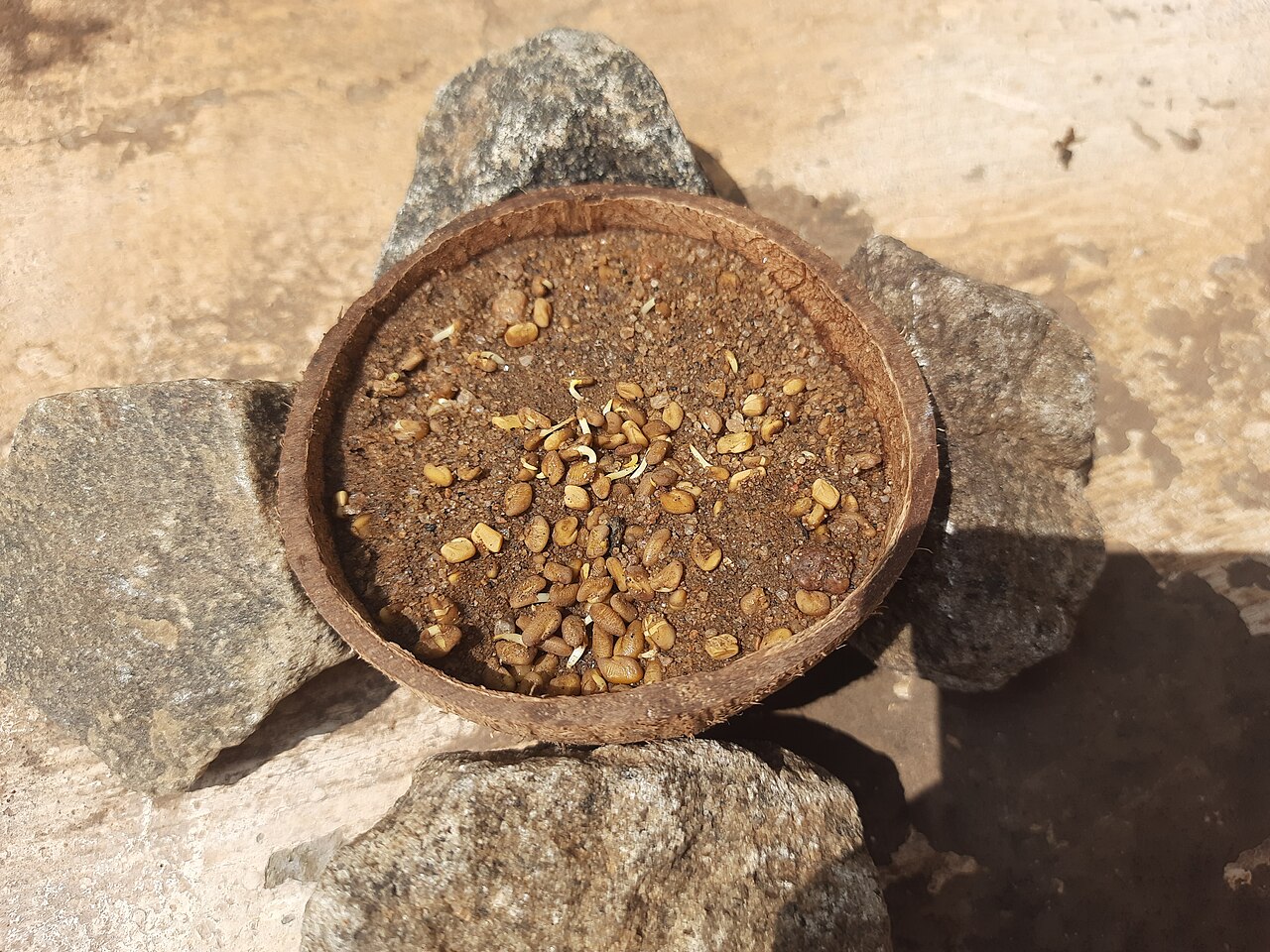
A fenugreek shopper should record the exact extract, amount, added nutrients, duration, participant population, and outcome in the cited study. If the formula differs, label the comparison indirect. If a page promises erections but cites only a testosterone or aging-symptom trial, the evidence does not match the claim.
Persistent low desire, erectile difficulty, or suspected low testosterone deserves individualized evaluation. Medicines, sleep, mood, relationship factors, vascular health, and endocrine conditions may all be relevant. This guide does not recommend fenugreek; it shows why “libido support” and “testosterone booster” require separate evidence and why current results remain preparation-specific.
Baseline change is not enough
Several supplement trials emphasize that a value improved from the participant's own baseline. That comparison can be useful, but it does not show that the supplement caused more change than placebo. Time, repeated testing, normal variation, and expectations can move scores in both groups.
Prioritize the prespecified between-group result and its uncertainty. For hormone studies, note the assay, sampling time, total versus free measures, and whether the value stayed within the normal range. A small laboratory shift should not be translated into a diagnosed deficiency being corrected or a promised sexual benefit.
The same caution applies to libido questionnaires. A group average can move without showing that most participants experienced a meaningful benefit. Look for responder counts, missing-data handling, and whether the questionnaire was validated for the population studied.
Sources & further reading
- Standardized fenugreek extract and male libido: randomized placebo-controlled study ↗
- Fenugreek extract and plasma and salivary testosterone: randomized trial ↗
- Fenugreek preparations and testosterone outcomes: 2026 systematic review ↗
- Fenugreek seed extract and men's psychological and physical health: randomized trial ↗
This article provides educational information. Ask a qualified clinician or pharmacist about your symptoms, medical conditions, medicines and supplement interactions.