Opioids and low testosterone in men: a practical evidence guide
Chronic opioid therapy can suppress the male hormone axis. Learn the symptoms, testing steps and why treatment begins with a medication review, not a booster.
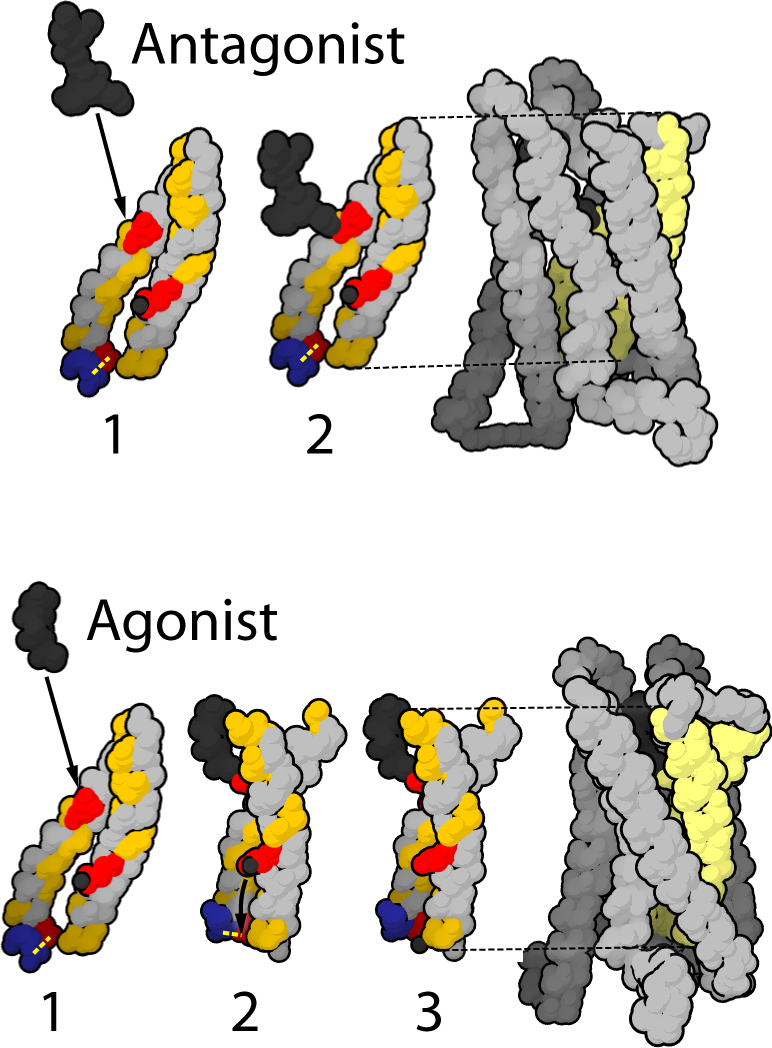
Chronic opioids can suppress testosterone, especially with sustained exposure. Symptoms plus repeated morning tests and a medication review are needed before changing pain care or considering hormone treatment.
A pain medicine can suppress a hormone pathway
Opioids act in the brain and spinal cord to reduce pain, but chronic exposure can also inhibit hypothalamic release of gonadotropin-releasing hormone. That can reduce pituitary luteinizing hormone signaling to the testes and lower testosterone. The pattern is often secondary hypogonadism: the signal from the brain is reduced rather than the testes simply failing on their own.
Possible symptoms include lower libido, fewer spontaneous erections, fatigue, reduced muscle mass, depressed mood, infertility and lower bone density. None is specific to testosterone. Chronic pain, poor sleep, depression and other medicines can produce the same symptoms, so a questionnaire or supplement ad cannot make the diagnosis.
The creatine testosterone and DHT evidence shows why a hormone change needs direct measurement and replication.
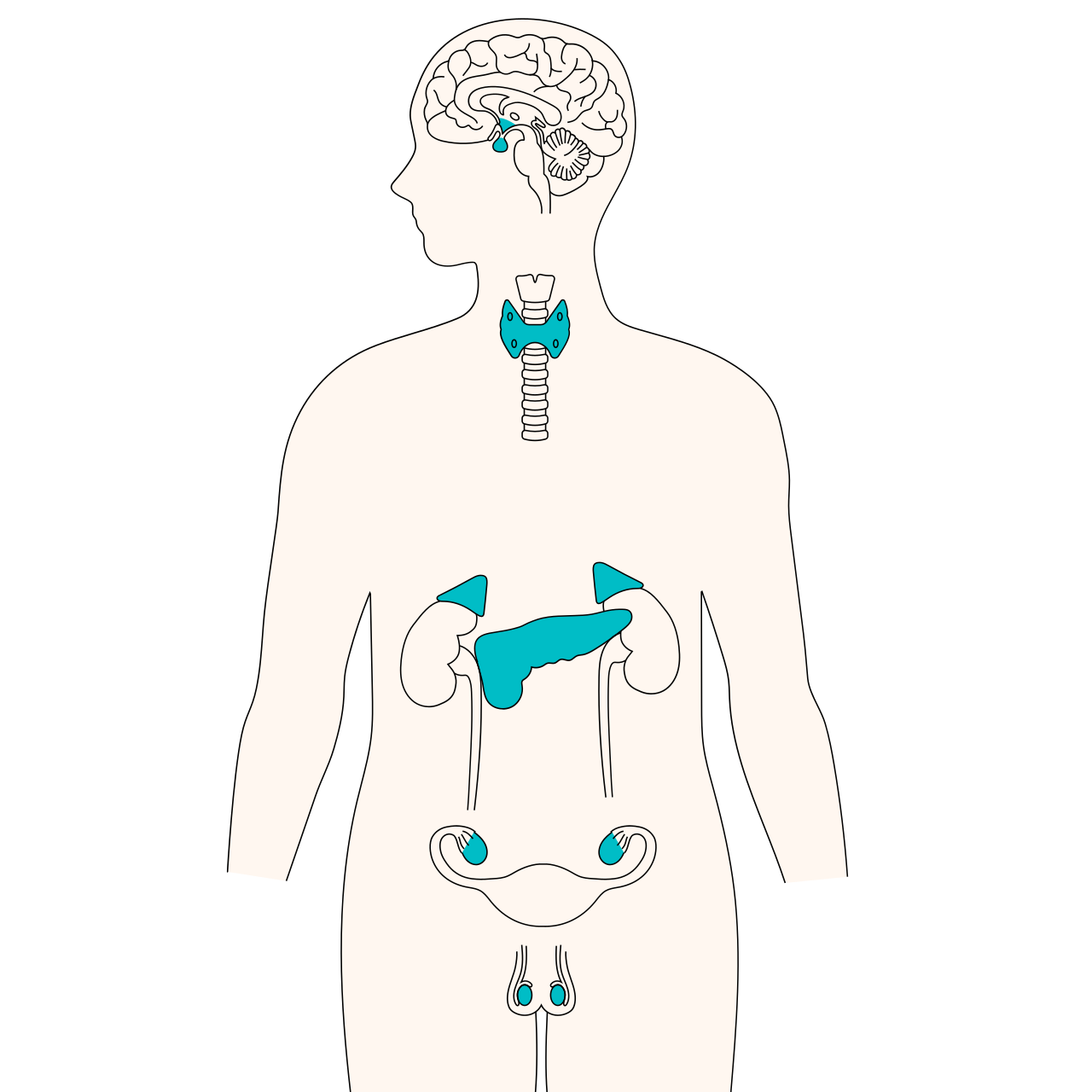
Large cohorts find an association, not one universal risk
A Kaiser Permanente cohort of 1,585 men using stable daily opioids found androgen deficiency more often with long-acting than short-acting medicines, and dose associations differed by formulation. Another analysis of 1,159 men found higher odds with fentanyl, methadone and oxycodone than with hydrocodone. These are observational comparisons, not randomized assignments.
The numbers should not be used to rank medicines without a prescriber. Pain severity, dose, duration, age, body mass and health conditions differ between groups. The evidence does support awareness and testing when compatible symptoms develop during chronic opioid therapy.
D-aspartic acid testosterone trials provide a supplement comparison with a very different exposure.
Testing needs timing and repetition
Discuss a morning total testosterone test when symptoms and exposure fit. If the result is low, repeat it under appropriate conditions rather than treating one value. Clinicians may add free testosterone or sex hormone-binding globulin, luteinizing hormone, follicle-stimulating hormone and prolactin to clarify the pattern and look for other causes.
Acute illness, severe sleep loss, calorie restriction and laboratory timing can shift a result. Our guide to sleep restriction and testosterone shows why a single short-term stressor should not become a permanent diagnosis. Fertility goals also matter because external testosterone can suppress sperm production.
The boron testosterone studies show how small samples can exaggerate certainty around hormone claims.

Do not stop opioids or start testosterone on your own
Abruptly stopping an opioid can cause withdrawal and destabilize pain care. The medication review may consider dose reduction, a different regimen or non-opioid strategies, but those decisions belong with the prescriber. The safest plan balances pain, function, substance-use risk and endocrine effects rather than chasing a laboratory number.
A randomized placebo-controlled trial in men with opioid-induced androgen deficiency found that testosterone gel improved pain sensitivity, sexual desire and body composition, but not self-reported clinical pain over 14 weeks. That trial supports selected treatment after evaluation; it does not justify automatic testosterone for every opioid user.
Turn the finding into coordinated care
Bring the full medication list, opioid schedule, symptom timeline and two properly timed testosterone results to the visit. Ask whether bone health, fertility or sleep apnea needs attention. If testosterone therapy is considered, discuss contraindications, monitoring, prostate and blood-count issues and the difference between symptom goals and a target number.
Over-the-counter testosterone boosters do not reverse opioid suppression by default. D-aspartic acid trials in trained men and small boron studies show why ingredient-level hormone claims often outrun reproducible results. The practical close is coordinated care: confirm the problem, review the opioid safely and treat documented deficiency with appropriate monitoring.
Monitoring should follow the person, not a fixed internet schedule. Symptoms, dose changes, other sedating medicines, sleep and fertility plans all affect what a clinician checks. Low bone density or fractures may justify bone-health assessment, while severe headaches or visual symptoms can point beyond routine opioid suppression. If treatment begins, follow-up should confirm that symptoms and laboratory values improve without unacceptable blood-count, prostate or cardiovascular concerns. The goal is not the highest testosterone result. It is a safer balance of pain control, endocrine health, sexual function and long-term risk.
If access to an endocrinologist is limited, the pain clinician and primary-care clinician can still coordinate initial testing and referral. Do not duplicate prescriptions or hide opioid use from either team.
For another claimed route to higher testosterone, review the ZMA testosterone trials.