Probiotics and SSRI sexual side effects: a large new trial needs careful follow-up
A 2026 randomized trial reported better sexual-function scores with a probiotic added to escitalopram, but it did not use a placebo.

A new probiotic trial is notable, but its open comparison, single setting, and product-specific design mean it should not drive antidepressant changes.
The result is worth noticing—not copying
Sexual side effects can make an effective antidepressant hard to continue. A 2026 randomized trial offers a fresh lead: men receiving a named probiotic along with escitalopram reported greater improvement in sexual-function scores than men receiving escitalopram alone. It is a meaningful signal, but not yet a reason to buy any probiotic on sight.
The study tested one product, in one clinic population, for two months. It also lacked a matched placebo. Participants knew whether they were adding something, which can influence self-reported outcomes even when group assignment is randomized.
What the researchers measured
The trial enrolled 240 married men with mild to moderate depression. The intervention group received Lactofem plus escitalopram; the comparison group received escitalopram alone. Depression was measured with two established scales, while sexual function was measured with the International Index of Erectile Function.
Both groups improved in depression scores. The probiotic group showed greater improvement across erectile function, orgasm, desire, intercourse satisfaction, and overall satisfaction. The broad pattern is interesting, but the abstract does not establish that a specific microbe caused each change or that the result applies to different antidepressants.
Another limitation is timing. Depression itself can suppress desire, energy, confidence, and relationship satisfaction, while escitalopram can produce sexual side effects after treatment begins. Measuring only baseline and the end of two months makes it difficult to separate recovery from depression, adaptation to the medicine, and an added probiotic effect. A stronger follow-up trial would use a placebo, document sexual function before antidepressant exposure, and track changes at several points.
The gut-brain idea is still being tested
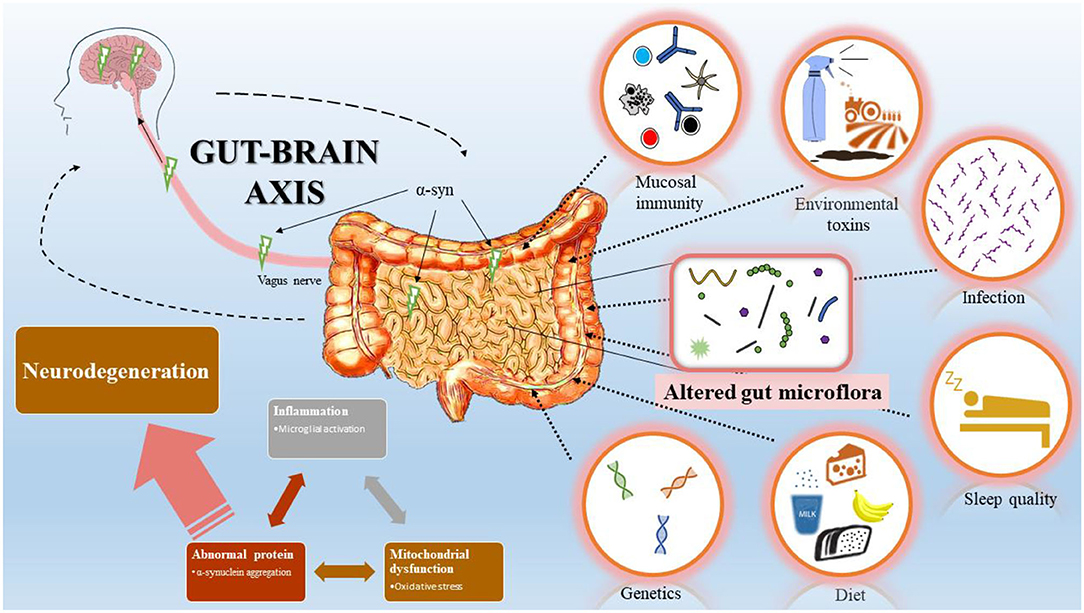
Gut microbes produce metabolites and interact with immune, hormonal, and nerve signaling. Researchers often call this two-way network the gut-brain axis. It offers plausible routes by which a probiotic could influence mood or sexual well-being indirectly.
A plausible network is not a settled mechanism. Improved depression itself can improve desire and sexual satisfaction. Expectations, diet changes, adherence, and other unmeasured differences may contribute. The trial did not show that probiotics reverse the specific serotonin-related pathways linked to SSRI sexual side effects.
Future research should also report the probiotic's full strain designation, viable count through the end of shelf life, adherence, diet, antibiotic exposure, and adverse events. Those details determine whether another team can reproduce the intervention. Without them, shoppers may match the front-label category while missing the biological product that was actually tested.
Why the strain and product matter
Probiotic is a category, not a single ingredient. Products can contain different species, strains, counts, storage conditions, and combinations. Findings from Lactofem cannot be assigned to yogurt, a random shelf blend, or a different strain simply because all are called probiotics.
The population matters too. Participants were relatively young men from one Iranian clinic and were followed for only two months. Longer studies across varied populations are needed to see whether the effect persists, whether adverse effects emerge, and whether results repeat with a blinded placebo.
Protect the antidepressant that is helping
Do not stop, skip, or reduce an SSRI on your own. Sudden changes can cause withdrawal symptoms and a return of depression. Tell the prescriber exactly what changed—desire, erection, orgasm, ejaculation, or satisfaction—because those problems can have different solutions.
A clinician may review timing, dose, other medicines, health conditions, relationship factors, or evidence-based alternatives. If you want to discuss a probiotic, bring the exact label. This new trial makes that conversation more informed; it does not turn a supplement into a universal antidote.
The safest conversation starts with priorities. If escitalopram is controlling dangerous or disabling depression, preserving that benefit matters. The prescriber can ask whether symptoms began before treatment, changed with the dose, or vary with mood. That timeline helps distinguish illness-related dysfunction from a drug effect. It also creates a baseline for judging any adjustment, rather than adding several supplements at once and losing track of what helped or hurt.