Sleep restriction and testosterone: why human trials do not tell one simple story
One famous sleep-restriction study found lower daytime testosterone, while other randomized experiments did not. Duration, timing and sampling matter.
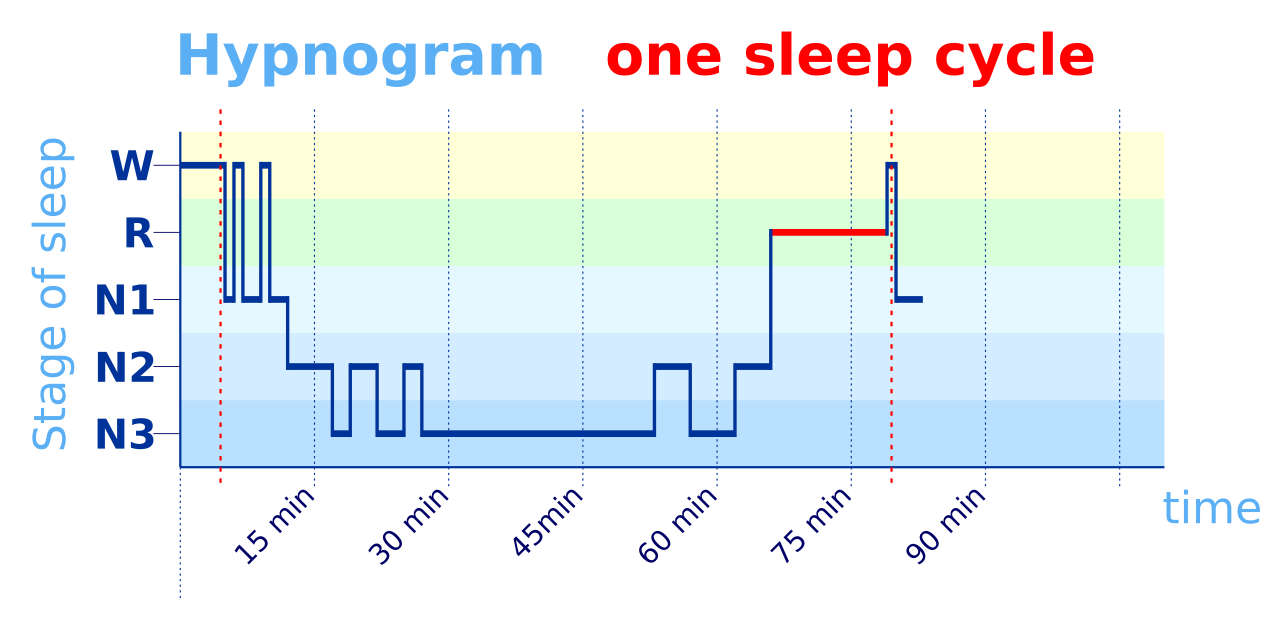
Short sleep can alter hormone timing and exposure, but controlled studies are mixed. A single poor week does not diagnose low testosterone, and sleep improvement is not a guaranteed hormone booster.
The famous result came from a very small experiment
In 2011, researchers restricted ten healthy young men to five hours in bed for eight nights after a rested baseline. Daytime testosterone concentrations fell by roughly 10% to 15%, and vigor scores declined. The study was carefully controlled and biologically important, but ten participants cannot define the response of every man, age group or real-world sleeper.
The finding is often repeated as proof that one bad week crashes testosterone. That skips the laboratory context, sampling window and small sample. Our guide to ginger and testosterone makes the same evidence point: an interesting human result should not be stretched beyond the exact population and intervention.
D-aspartic acid testosterone trials show why a hormone claim needs direct replication.
Other randomized studies complicate the headline
A later randomized study compared several nights of short sleep with habitual sleep and found that restricting sleep in the second half of the night reduced testosterone, while restriction in the first half did not show the same pattern. Another randomized crossover study found no significant adverse testosterone effect from five nights of sleep restriction overall. Timing, stage disruption and measurement can change the answer.
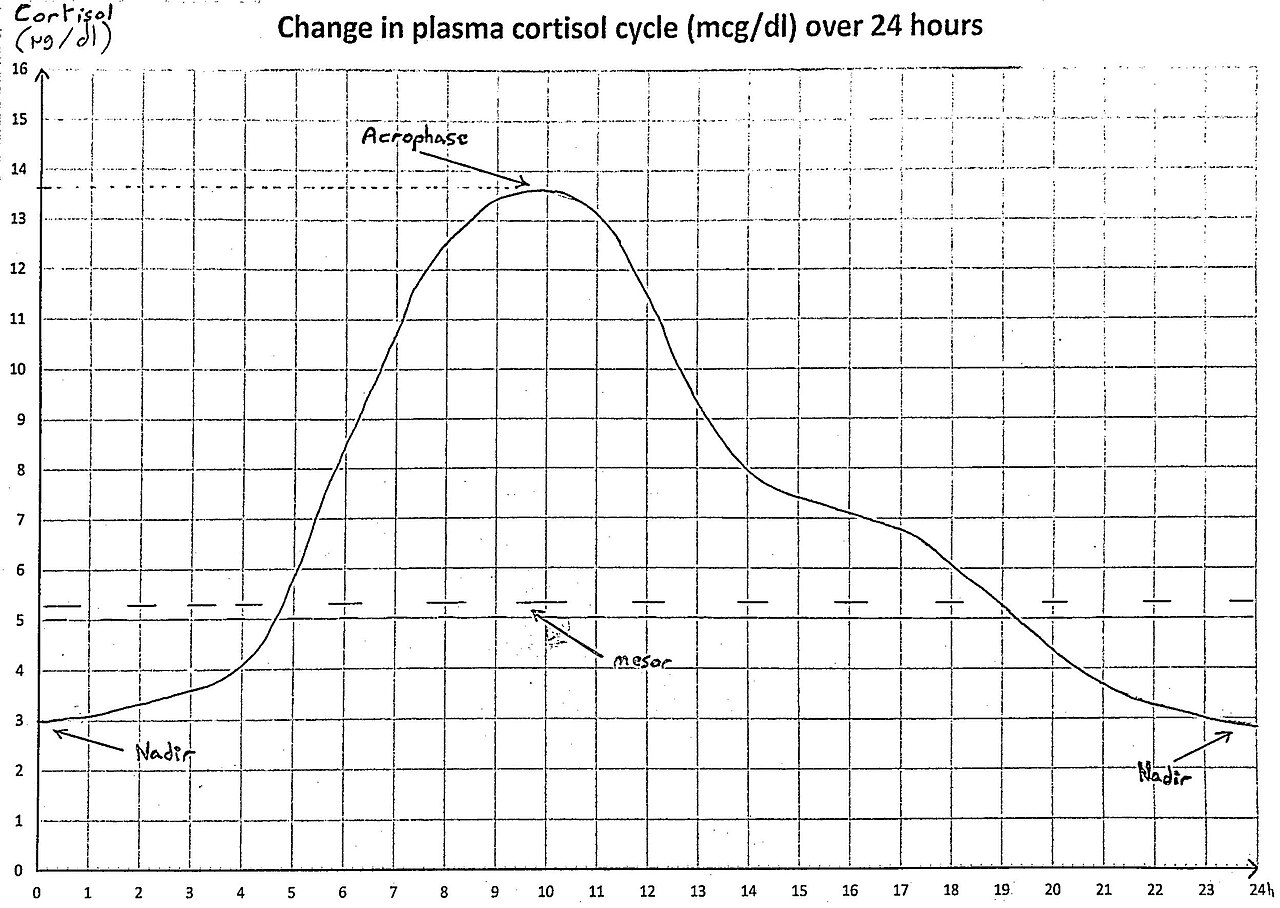
These experiments were short and involved healthy young men. They cannot settle what years of insomnia, shift work or sleep apnea do. They do show why a universal percentage claim is unreliable. Testosterone has a circadian rhythm, so blood-draw timing can create apparent differences unrelated to a lasting change in production.
Betaine testosterone evidence also separates short exercise-related hormone changes from lasting baseline effects.
A hormone-clamp study separates rhythm from sleep
A 2021 randomized hormone-clamp experiment suppressed participants’ natural gonadal axis and replaced testosterone in a controlled way. Sleep restriction altered metabolic responses without producing the usual endogenous testosterone changes. The design helps researchers examine mechanisms, but it is not a normal-life model of natural hormone production.
The broader message is that sleep, hormones and metabolism influence one another without forming a simple one-way switch. D-aspartic acid trials also warn against promising a testosterone rise from one pathway idea. Mechanism is a starting point, not a customer outcome.
The boron testosterone studies highlight the uncertainty created by very small samples.

What to do before ordering a testosterone test
Improve sleep opportunity, keep wake time consistent and address snoring, witnessed breathing pauses, restless legs or chronic insomnia. Alcohol, cannabis, stress, obesity, illness and medications can affect sleep and symptoms. If fatigue, reduced libido, loss of strength or infertility persists, discuss morning testosterone testing with a clinician.
Diagnosis generally requires compatible symptoms and repeated low morning measurements, not a wearable’s sleep score or one afternoon test. ZMA and other sleep-marketed testosterone products have not reliably raised testosterone in trained men. A supplement should not replace evaluation for apnea or other causes of disrupted sleep.
Turn the evidence into a realistic plan
Protect seven to nine hours in bed when possible, use morning light and regular activity to support circadian timing, and treat a sleep disorder when present. If shift work is unavoidable, focus on a stable schedule, a dark sleep environment and clinician guidance rather than chasing a guaranteed testosterone number.
Sleep is worth improving even if a blood test does not change. Energy, attention, appetite and training recovery can benefit independently. Human testosterone trials are mixed enough that the responsible claim is modest: repeated short sleep may matter, but no single laboratory percentage predicts your result.
A practical experiment is to stabilize sleep before repeating laboratory testing. Keep a consistent schedule for two to three weeks, avoid an unusually hard workout or heavy drinking before the draw and follow the clinician’s instructions for morning timing and fasting. Record illness, shift work and medications that could affect interpretation. If two properly timed results are low, the next step is clinical evaluation—not an automatic booster or prescription. Fertility goals, luteinizing hormone, prolactin and other findings can change the plan. Sleep is one modifiable factor in a larger diagnostic picture, and treating a number without understanding the cause can create new problems.
For another sleep-adjacent claim, review the ZMA testosterone trials.