Ashwagandha and male sexual health: what the newest randomized trials actually tested
New randomized trials report gains in several sexual-health measures, but the findings remain extract-specific and short term.
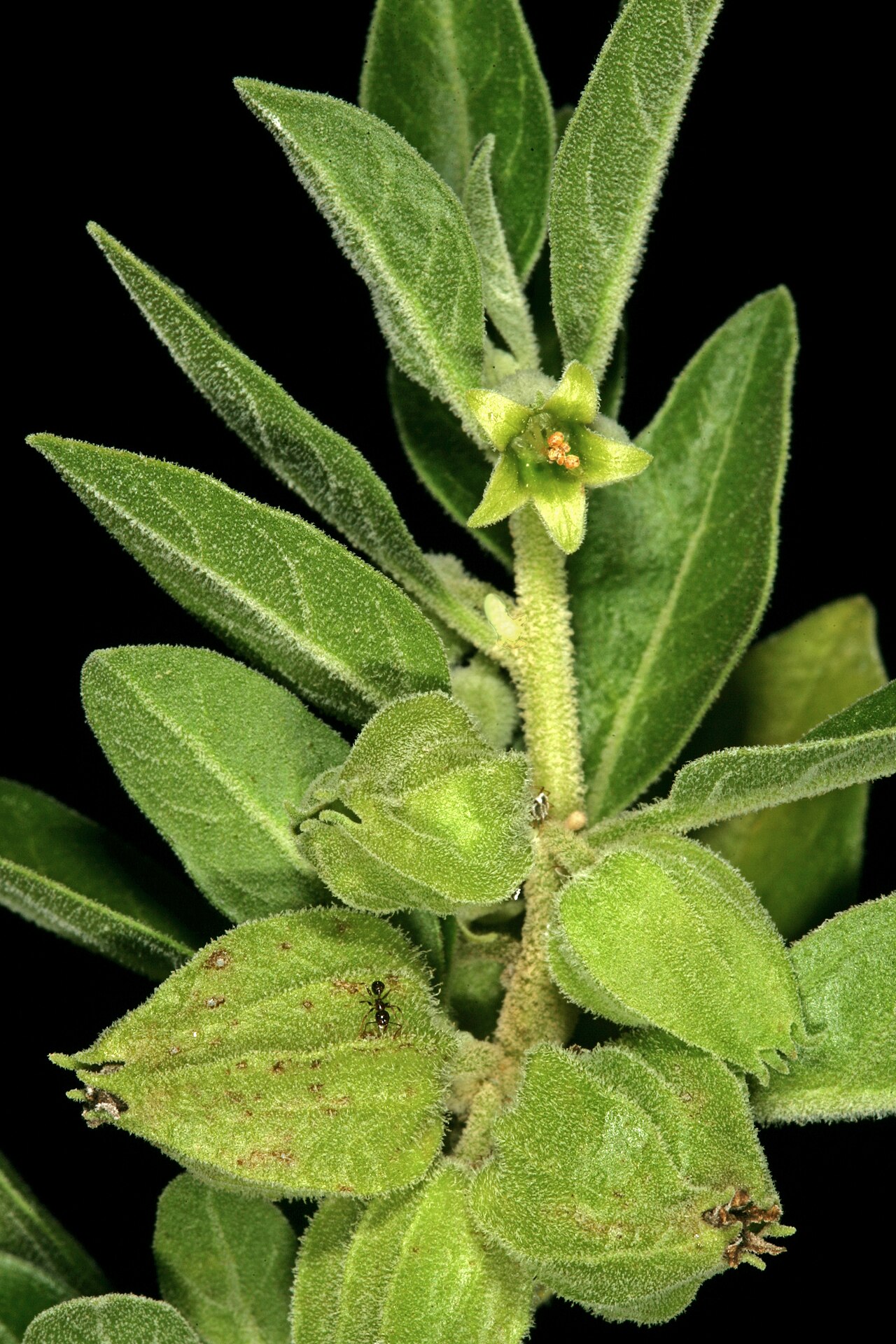
Recent trials strengthen the signal for standardized ashwagandha root extracts, but they do not prove every product works or answer long-term safety questions.
A stronger signal, with important limits
Ashwagandha now has more than one randomized trial focused directly on male sexual well-being. That is a meaningful upgrade from claims built only on tradition, stress studies, or fertility markers. The newest studies reported improvements in several questionnaires and semen measures over eight weeks.
The improvement should not be stretched into a guarantee. These were short trials of standardized root extracts in selected adult men. Different extracts may contain different amounts of withanolides and other compounds, while many commercial labels do not match the studied product.
What the 2026 trial reported
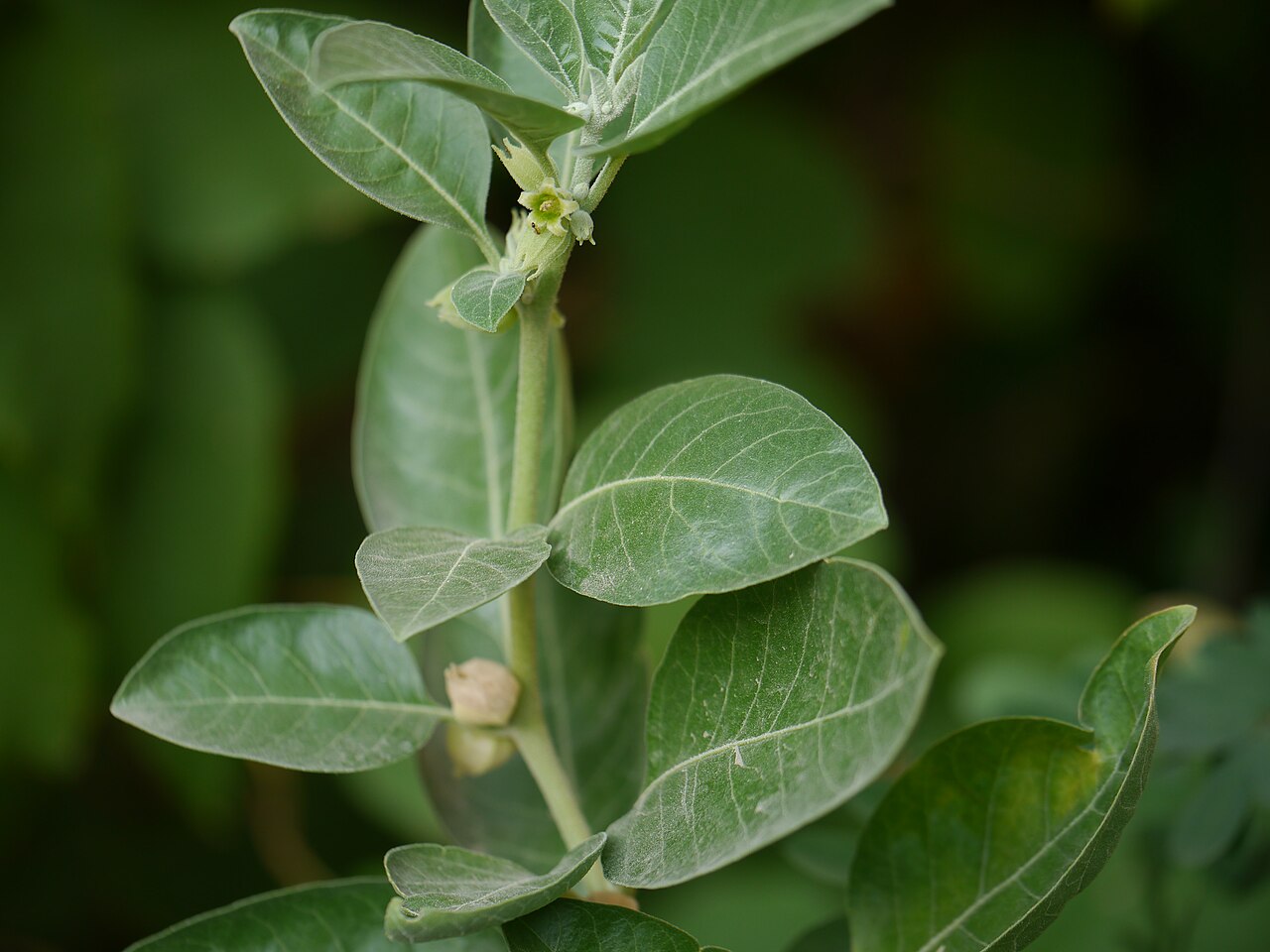
A 2026 randomized, double-blind, placebo-controlled study enrolled 76 healthy men ages 30 to 50. Participants took 300 milligrams of a standardized root extract twice daily or placebo for eight weeks. Researchers measured desire, satisfying sexual events, the International Index of Erectile Function, semen parameters, and quality of life.
The extract group improved more than placebo on several sexual-function measures and semen outcomes. The paper reported no adverse events during the study. Eight weeks of tolerability in dozens of people, however, cannot detect rare liver problems or establish safety over years of routine use.
The two recent trials look similar on the surface, but readers should still compare the published extract specifications, analysis populations, funding, trial registration, and chosen endpoints. One study analyzed all randomized participants for safety while efficacy reporting may depend on participants who completed follow-up. Per-protocol results can overstate benefit if dropouts differ between groups. The most persuasive future evidence would reproduce the effect with independent investigators and intention-to-treat analysis.
A second recent trial points the same way
A separate eight-week randomized trial in 100 healthy men used the same nominal schedule of 300 milligrams twice daily. Ninety-three participants were included in the per-protocol analysis. The extract group showed better changes in desire, orgasmic function, sexual satisfaction, quality of life, and several semen measures.
Converging results are more persuasive than one isolated paper. Even so, replication by independent teams, clearer reporting of extract chemistry, preregistered primary outcomes, and longer follow-up would make the evidence much easier to apply to real products.
The semen findings deserve the same restraint. Volume, count, motility, and morphology are intermediate measures. They can inform fertility evaluation, but no single value proves that conception or live birth will improve. Couples facing infertility should not postpone a timely evaluation while waiting to see whether a supplement changes a laboratory report.
Sexual function is not one number
Desire, erection firmness, orgasm, satisfaction, and fertility are different outcomes. A product that changes a desire score has not necessarily treated erectile dysfunction. Better sperm concentration has not necessarily improved pregnancy or live-birth rates. Read the exact domain before accepting a broad male-enhancement claim.
The same rule applies to testosterone. A change in a laboratory value does not prove better energy, muscle, mood, or erections. Men with suspected low testosterone need properly timed testing and a clinical evaluation rather than a supplement chosen from a single favorable endpoint.
Balance short-term promise with known cautions
NCCIH says some ashwagandha preparations may help stress or insomnia and notes limited evidence for testosterone and sperm quality. It also flags drowsiness, stomach upset, medication interactions, thyroid concerns, and rare reports of liver injury. Long-term safety remains uncertain.
If you still want to try it, show the exact label to a clinician or pharmacist, especially with thyroid, immune, diabetes, blood-pressure, seizure, or sedating medicines. Stop and seek care for jaundice, dark urine, severe itching, or unusual fatigue. A promising eight-week trial is useful evidence, not a lifetime safety certificate.
Shopping by withanolide percentage alone is not enough. Root-only and root-plus-leaf extracts can have different profiles, and a higher percentage is not automatically safer or more effective. Avoid combining several ashwagandha products or pairing them with other sedating or thyroid-active ingredients without review. Choose one clearly labeled preparation, define what outcome you are tracking, and stop if the expected benefit does not appear within a reasonable, clinician-agreed window.