Ginger and testosterone: the confident claim is still missing a human trial
Animal and infertility studies make ginger sound promising for testosterone, but research has not confirmed a testosterone-boosting effect in generally healthy men.
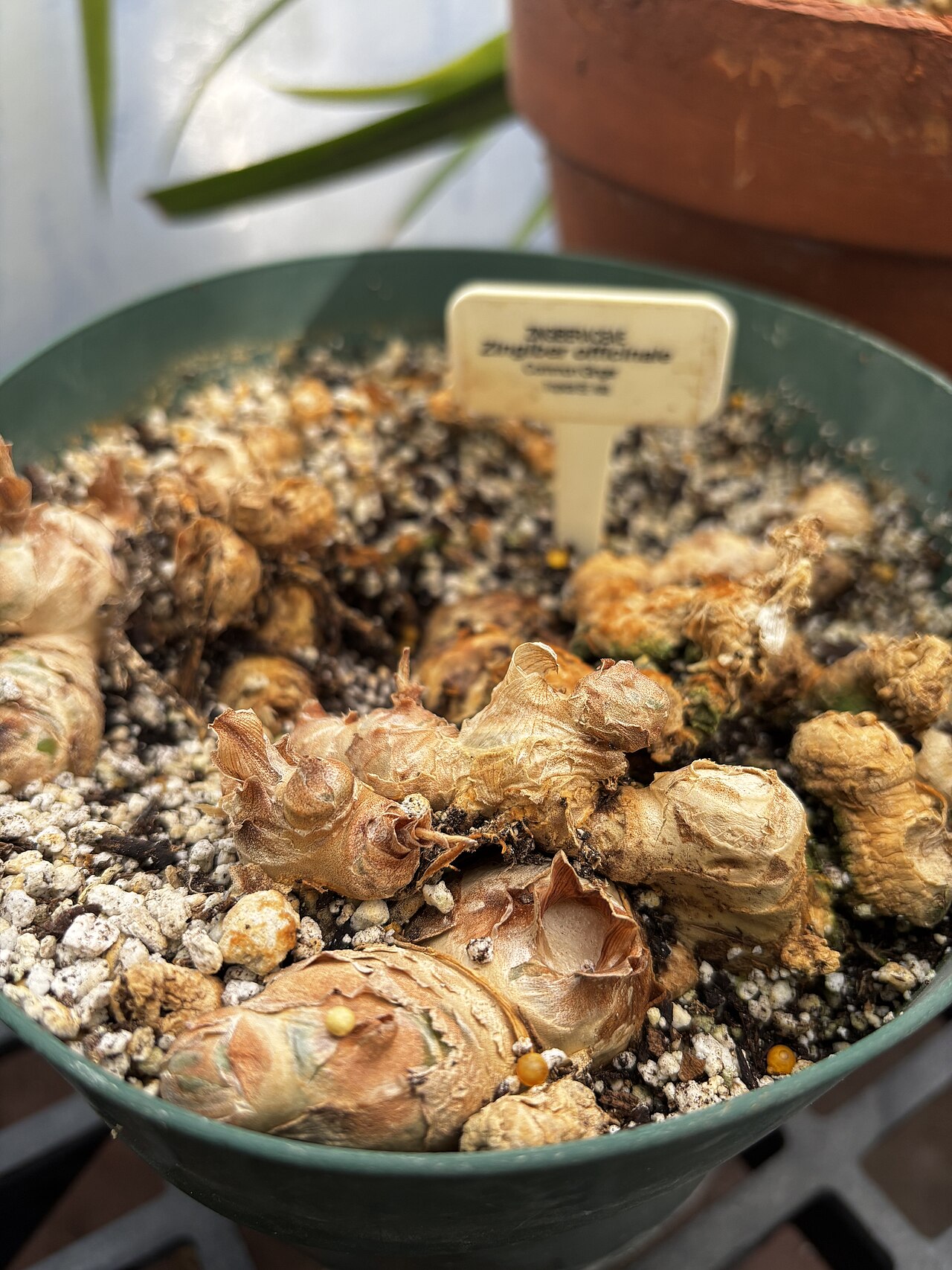
Ginger has plausible antioxidant mechanisms and animal data, but no solid human trial confirms that it raises testosterone in generally healthy men. Food use and booster claims are different questions.
The popular claim runs ahead of the review
Ginger is familiar, inexpensive and biologically active, which makes it easy to market as a natural testosterone booster. A focused review of ginger and testosterone described antioxidant, blood-flow and hormone-signaling mechanisms, then reached the key limitation: the effect had not been confirmed in humans. Most supportive experiments were conducted in animals, often under oxidative stress or disease conditions.
That gap resembles D-aspartic acid, where an early signal did not hold up cleanly in trained men. It also resembles boron, where a tiny study is too small to carry a broad booster claim. Mechanism and repetition in rodents do not replace a relevant human population.
Fertility research is not a general low-T trial
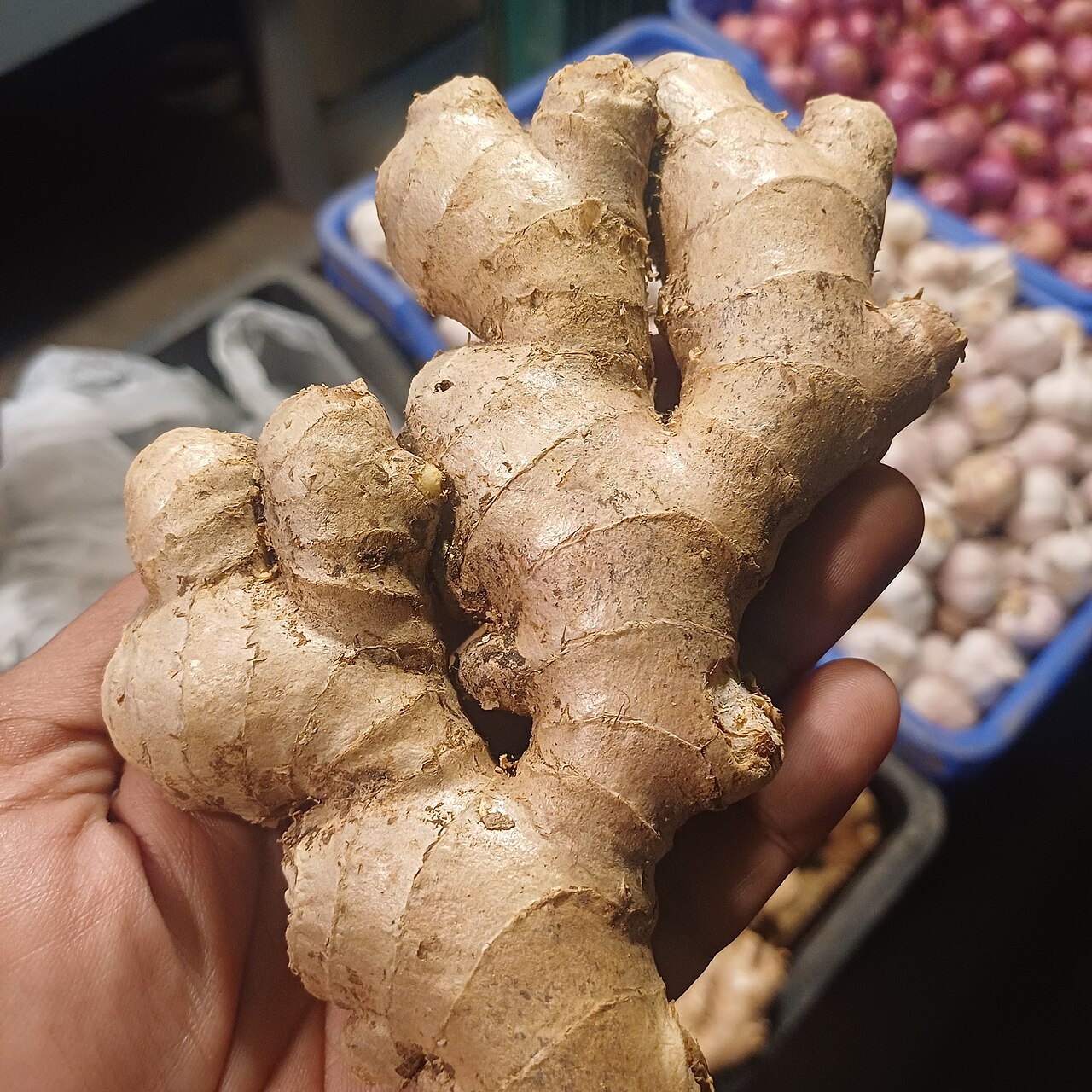
Some human ginger studies involve infertile men and report changes in semen or hormone measures. Those participants may have oxidative stress or reproductive conditions that make them unlike a healthy gym-goer or an older man with symptoms of hypogonadism. Semen quality, fertility and testosterone are related topics, but they are not interchangeable endpoints.
The boron evidence offers the same warning about scale: a tiny study cannot carry a broad hormone claim. A testosterone product needs validated morning hormone testing and symptom outcomes, not only sperm markers or a before-and-after result without a placebo group.
Dose and preparation complicate the label
Fresh ginger, powdered root, concentrated extract and mixed botanical formulas deliver different compounds and amounts. Reviews combine experiments that used different doses and disease models, so there is no evidence-based “testosterone dose” to copy. More concentrated also does not automatically mean more effective or safer.
Ginger can cause gastrointestinal symptoms and may matter for people taking anticoagulants or glucose-lowering medicines. A food-level amount and a daily high-dose extract deserve different safety conversations. Count ginger across combination products before adding a single-ingredient capsule.
A convincing trial would enroll men with clearly defined baseline status, use a standardized ginger preparation and repeat morning testosterone measurements. It would also track symptoms, adverse events and adherence. Separating men with diagnosed hypogonadism, infertility and normal hormone levels would prevent one subgroup from being used to market claims to another.
Use real testing for a real hormone question
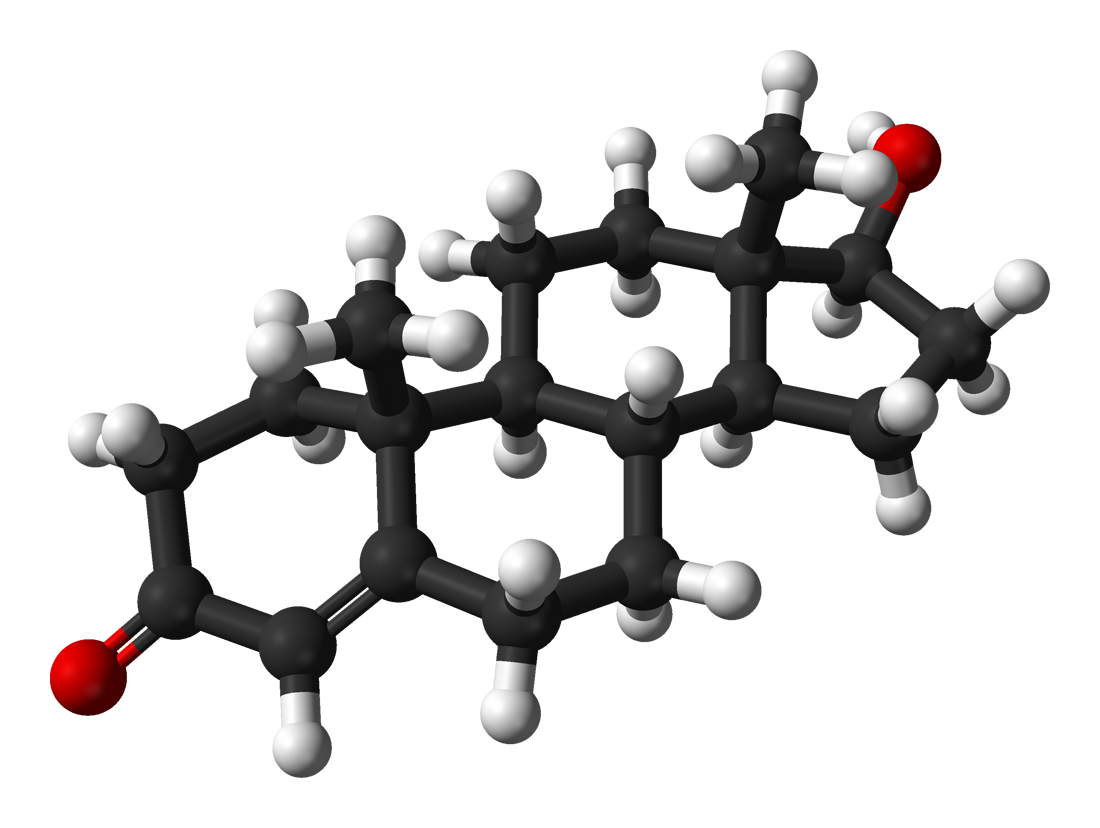
Symptoms such as low energy, reduced libido, depressed mood and loss of strength are nonspecific. Diagnosis usually requires compatible symptoms plus consistently low morning testosterone measured with appropriate testing. A supplement response cannot confirm the diagnosis, and a normal result should redirect the search rather than trigger ever-larger doses.
The creatine hormone evidence shows how a small biochemical signal can outgrow its data. Zinc, magnesium or ginger may belong in nutrition without functioning like testosterone therapy. Prescription TRT also has eligibility, monitoring and fertility implications that a supplement label cannot reproduce.
A better way to read the claim
Look for a randomized human trial of the exact preparation, population and dose. The betaine testosterone evidence is a reminder to distinguish short exercise-related hormone measurements from a sustained clinical effect. Check whether testosterone was a prespecified primary outcome and whether the change was clinically meaningful.
Ginger can remain part of food and a personal wellness routine without carrying a hormone promise. For persistent symptoms, get a clinical evaluation and repeat appropriate testing. The honest conclusion is simple: ginger has research interest, but it is not a proven testosterone booster for generally healthy men.
Watch for indirect outcomes in advertisements. Better antioxidant markers, sperm movement or blood sugar control may be useful research findings, but none proves that testosterone rose enough to improve symptoms. The cited paper should match the claim on the page, and the finished product should match the preparation in the paper.
Meanwhile, basic steps such as adequate sleep, resistance exercise and treating obesity or sleep apnea may support overall health. They are not guaranteed testosterone treatments either, but they address common contributors without borrowing certainty from an unproven supplement claim.