Green tea catechins for prostate cancer prevention: the primary trial was negative
A randomized trial of standardized green tea catechins did not significantly reduce prostate cancer diagnoses. Here is what that means for EGCG supplements.
A one-year randomized trial did not find a significant reduction in prostate cancer diagnoses with 400 mg daily EGCG. Secondary signals are hypothesis-generating, not prevention proof.
The result to lead with is the primary endpoint
Green tea has a strong health halo, and laboratory work gives EGCG a plausible anticancer story. The best-known U.S. prevention trial enrolled 97 men with high-grade prostatic intraepithelial neoplasia or atypical small acinar proliferation. After one year, prostate cancer was diagnosed in 5 of 49 men receiving catechins and 9 of 48 receiving placebo—a difference that was not statistically significant.
That is not the same question as relief of urinary symptoms. Our beta-sitosterol guide focuses on short-term BPH symptoms, while the saw palmetto CAMUS trial tested a different prostate outcome. “Prostate support” can hide these distinctions.
Secondary findings cannot rescue a negative primary result
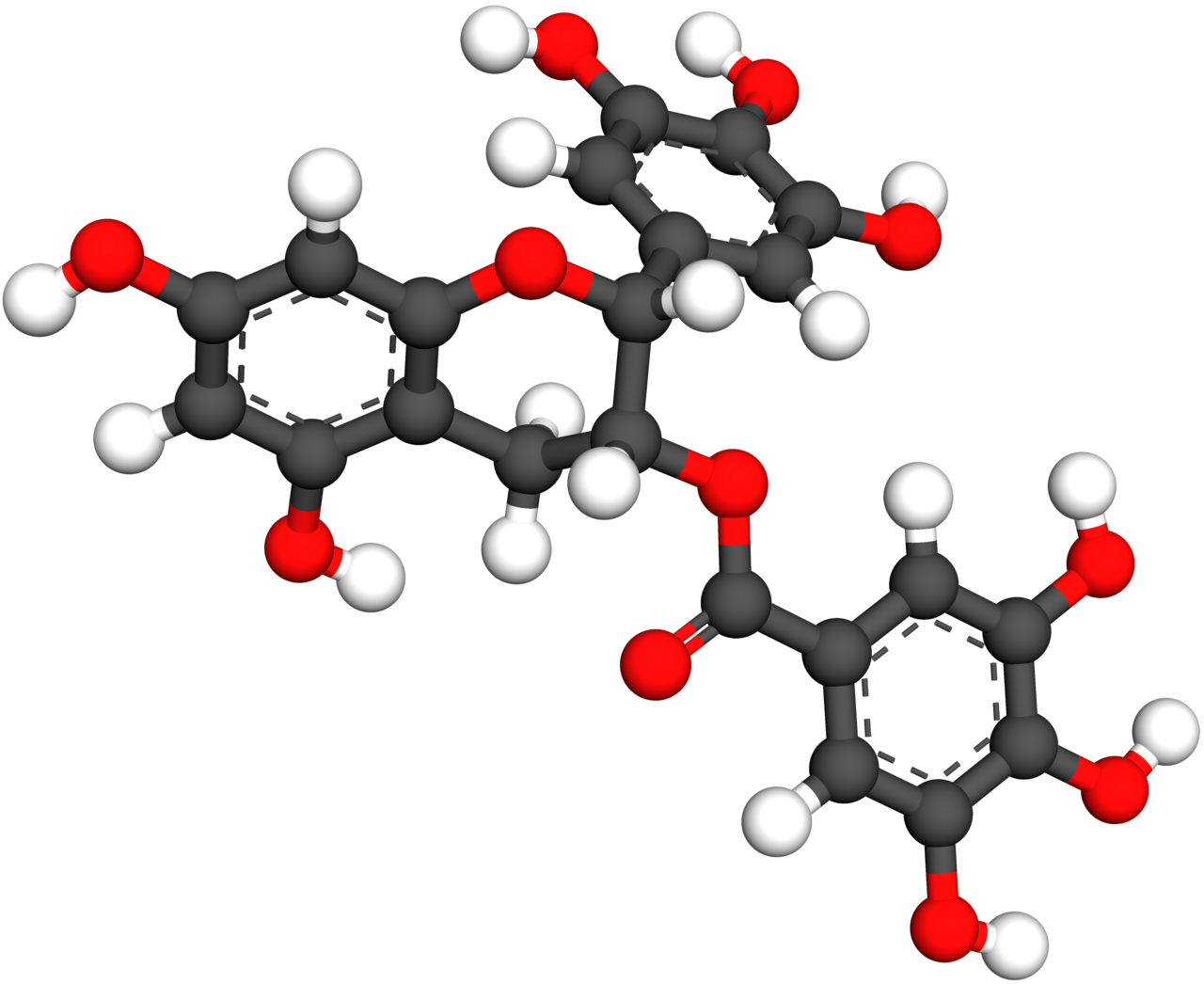
The trial reported a reduction in a composite of prostate cancer plus ASAP in a subgroup and a drop in PSA in the catechin group. Those findings can guide future studies, but the study was not powered to make them a stand-alone prevention claim. Subgroups and secondary endpoints carry a greater risk of chance findings.
A separate ProDiet trial showed that men could adhere to green-tea and lycopene interventions and that exposure markers rose. Its primary purpose was feasibility and acceptability, not proving fewer cancers. Better adherence is useful for designing a trial; it is not a cancer-prevention outcome.
A standardized extract is not a cup of tea
The prevention trial used a decaffeinated catechin mixture providing 400 mg EGCG daily, divided with food. Brewed tea varies with leaf, water temperature and steep time. Commercial extracts vary too. The result therefore applies most directly to that characterized preparation and population, not to every beverage or “green tea complex.”
The MOXI antioxidant trial offers a useful parallel: a supplement study can measure several attractive markers and still miss its main clinical outcome. Reading the Supplement Facts panel matters, but a listed EGCG amount still does not transform a negative prevention endpoint into a benefit.
The enrolled men already had biopsy findings that raised concern, so the result should not be stretched to average-risk adults. Nor can it settle whether ordinary tea drinking across decades affects risk. Prevention questions depend on baseline risk, exposure duration and a clinically meaningful endpoint, not only a short change in a blood marker.
Safety depends on dose and context
A companion analysis found the study regimen was well tolerated under monthly monitoring in this selected group. That does not mean concentrated green tea extracts are risk-free for everyone. Liver injury has been reported with some products, and fasting can increase EGCG exposure. People with liver disease or multiple medicines should review concentrated extracts with a clinician.
This is also why a multivitamin-style assumption can mislead. Our supplement evidence and safety guide shows why a familiar ingredient and a broad label claim cannot replace product-specific data. Check whether green tea or EGCG appears in more than one supplement and avoid treating food familiarity as proof of high-dose safety.
What a practical prostate plan looks like
Do not use green tea extract to replace PSA discussions, diagnostic follow-up or recommended surveillance after an abnormal biopsy. Our online supplement evidence guide is a reminder that testimonials cannot establish cancer prevention. General antioxidant support, urinary comfort and cancer prevention are not interchangeable outcomes.
The clear conclusion is useful even though it is not dramatic: 400 mg daily EGCG did not significantly reduce prostate cancer diagnoses in the primary one-year comparison. Enjoying tea can fit a healthy diet, but selling a concentrated extract as proven prostate-cancer prevention goes beyond the trial.
Green tea extract can also interact with medicines, and concentrated catechins may be delivered alongside caffeine or other botanicals. Bring the full label to a pharmacist or clinician. A product that omits the EGCG amount cannot be compared with the trial, while a matching number still does not guarantee matching composition or safety.
Report dark urine, yellowing skin, severe fatigue or persistent upper-abdominal symptoms promptly while using a concentrated extract. Those signs do not prove liver injury, but they deserve assessment rather than another dose.