Mucuna pruriens and libido: fertility studies and rat behavior do not prove human enhancement
Human studies focus on infertility biomarkers, while libido claims often rely on rat experiments. Neither establishes erectile-function treatment.
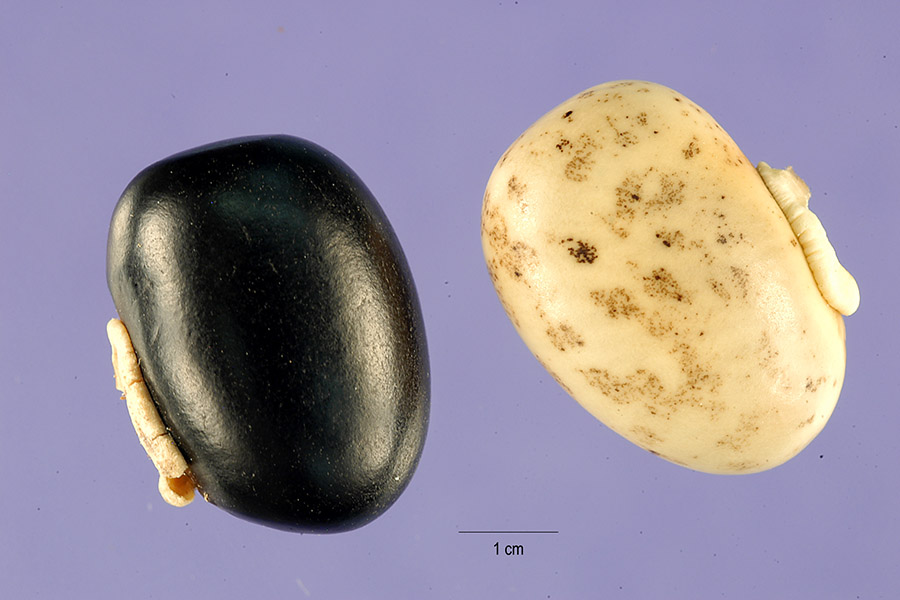
Mucuna research in infertile men and animal sexual-behavior models cannot establish improved libido or erections in the general male population.
Several outcomes are being blended together
Mucuna pruriens is marketed for dopamine support, testosterone, fertility, desire, and sexual performance. These claims involve different populations and endpoints. A change in semen, a hormone measurement, and a mating behavior in an animal cannot be treated as one proof of male enhancement.
The seed naturally contains levodopa-related compounds, making product identity, standardization, and medicine interactions especially important. Powder and extracts may deliver different exposures. A botanical name alone is not a complete intervention description.

The human study centered on infertility
A clinical study in infertile men reported changes in testosterone, luteinizing hormone, catecholamine measures, sperm count, and motility after Mucuna treatment. These findings address a selected infertility population and laboratory outcomes. They do not directly demonstrate better erections, sexual desire, intercourse satisfaction, pregnancy, or live birth.
Before-and-after improvements also require careful comparison with a concurrent control and attention to natural semen variability. Even a real fertility biomarker change cannot be extended to men without infertility or to sexual-function outcomes the study did not measure.
The libido evidence is largely animal research
A rat study measured mounting, intromission, ejaculation timing, and reflex behaviors after an ethanolic seed extract. Another experiment used diabetic rats and reported changes in sexual behavior, sperm, and hormones. These models help explore biology under controlled conditions.
Human sexual desire is not a rat mounting count. Species, dose scaling, metabolism, relationship context, expectations, and disease causes differ. Animal results should be labeled preclinical rather than converted into a human aphrodisiac claim.

Dopamine language can obscure safety
A product that affects dopaminergic pathways may interact with medicines or conditions in ways that a general wellness label does not explain. People using psychiatric, Parkinson's, blood-pressure, or other medicines should not add a concentrated product without professional review.
Front-label phrases such as motivation or drive can invite consumers to assume sexual benefit without a measured outcome. A neurotransmitter mechanism does not reveal net clinical effects, appropriate dose, or long-term safety.
Ask for the study that matches the promise
For a libido claim, look for a randomized human trial using a validated desire measure in the intended population. For erectile function, require erectile outcomes. For fertility, require pregnancy and live birth in addition to semen measures. A citation from another column does not answer the question.
This guide does not recommend Mucuna for sexual enhancement. Current evidence supports further study, not a broad claim. Human infertility biomarkers and animal sexual behavior should remain in their proper categories until rigorous trials connect a defined product with patient-important human outcomes.
Semen concentration and motility are surrogate measures. They can help describe male-factor infertility, but they do not capture fertilization, embryo development, pregnancy, miscarriage, or live birth. A study reporting improved semen values should not be marketed as proof that couples are more likely to have a baby unless those outcomes were measured against a control.
The human participants were infertile men with altered baseline hormone and catecholamine measures. Results in that selected group cannot establish a libido effect in healthy men. A testosterone increase within a study is also not automatically a treatment for desire or erections, which require direct validated measurement.
A stronger program would characterize the extract and levodopa exposure, then run separate randomized trials for fertility and sexual function. The fertility trial would follow couples to live birth; the sexual trial would measure desire and erectile function. Keeping them separate prevents one biomarker study from being stretched across unrelated claims.
Safety research should be equally specific. A standardized levodopa exposure may affect nausea, blood pressure, movement, mood, or medicine response differently from a low-content seed powder. Trials should report adverse events, withdrawals, laboratory monitoring, and prohibited medicines. Without those data, a marketing phrase such as dopamine support hides the same pharmacologic uncertainty that makes the ingredient scientifically interesting.
Sources & further reading
This article provides educational information. Ask a qualified clinician or pharmacist about your symptoms, medical conditions, medicines and supplement interactions.