PDE5 inhibitors, vision and hearing: rare warning signs that need fast action
Sudden vision or hearing changes appear in PDE5-inhibitor warnings. Learn what symptoms require urgent care and what the evidence can and cannot prove.
Sudden vision loss or sudden hearing decrease after a PDE5 inhibitor is urgent. Stop the medicine and seek prompt care; do not wait for the next dose or assume the symptom will pass.
Rare does not mean safe to watch at home
Sildenafil labeling warns about sudden vision loss from non-arteritic anterior ischemic optic neuropathy, or NAION, and sudden hearing decrease or loss. Reports are rare and often include other risk factors, so they do not prove the medicine caused every event. The action step is still clear because delay can matter: stop the drug and seek urgent medical attention.
This is a different conversation from common effects such as headache or flushing. It also differs from sildenafil food timing, which changes absorption rather than the emergency response to a sensory symptom. Do not take another dose to see whether the change repeats.
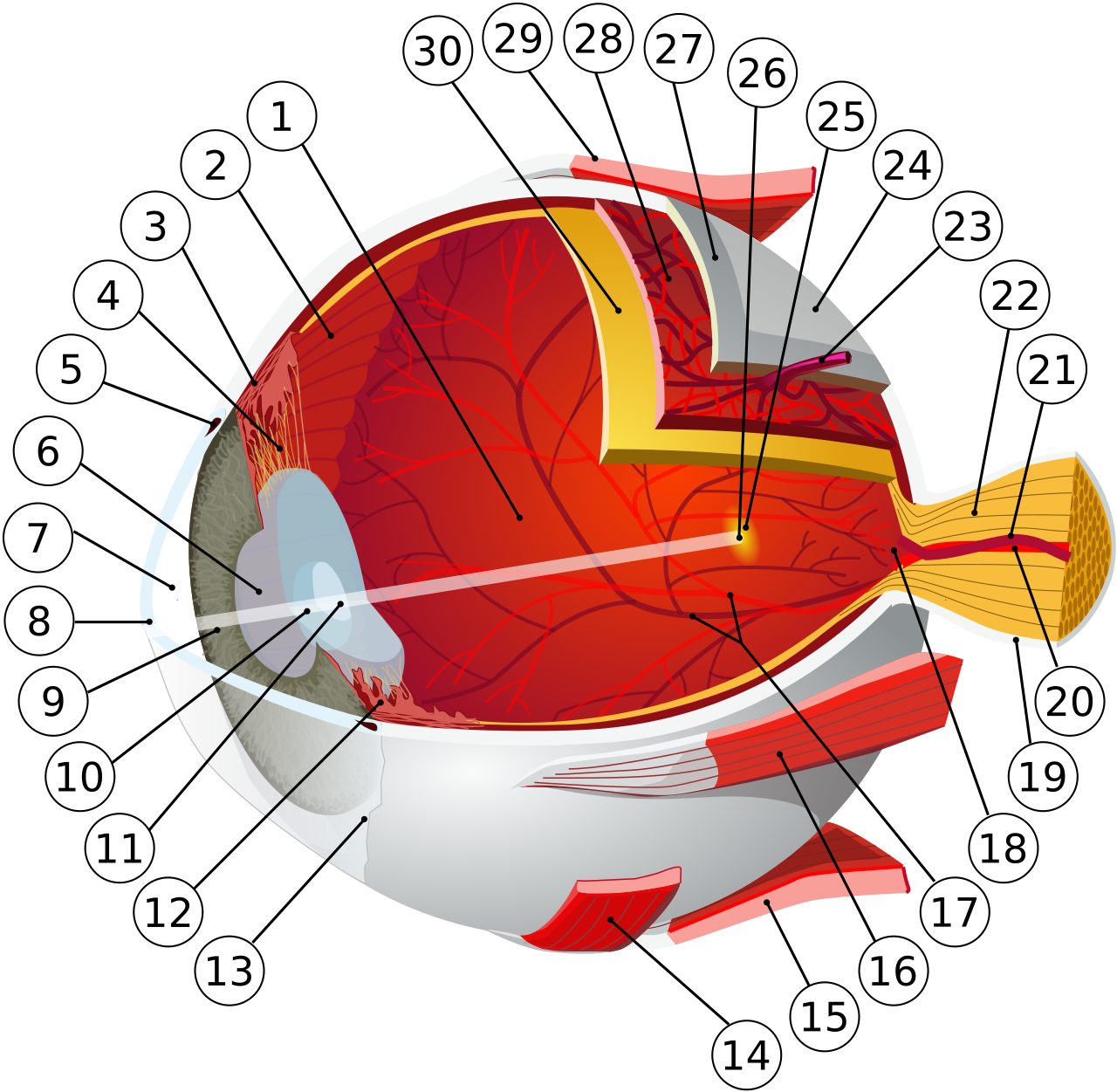
What to notice in the eye
Urgent symptoms include sudden loss or dimming of vision in one or both eyes, a new dark area, or a major change in the visual field. NAION involves impaired blood supply to the optic nerve. Age over 50, diabetes, high blood pressure, high cholesterol, smoking and a crowded optic disc are among the risk factors seen in reported cases.
Color-vision changes can occur with sildenafil and are usually temporary, but a person cannot diagnose the cause of sudden visual change at home. Tell the eye clinician the exact PDE5 inhibitor, dose and time. A medication list should also flag hidden PDE5 analogs in sexual-enhancement products.
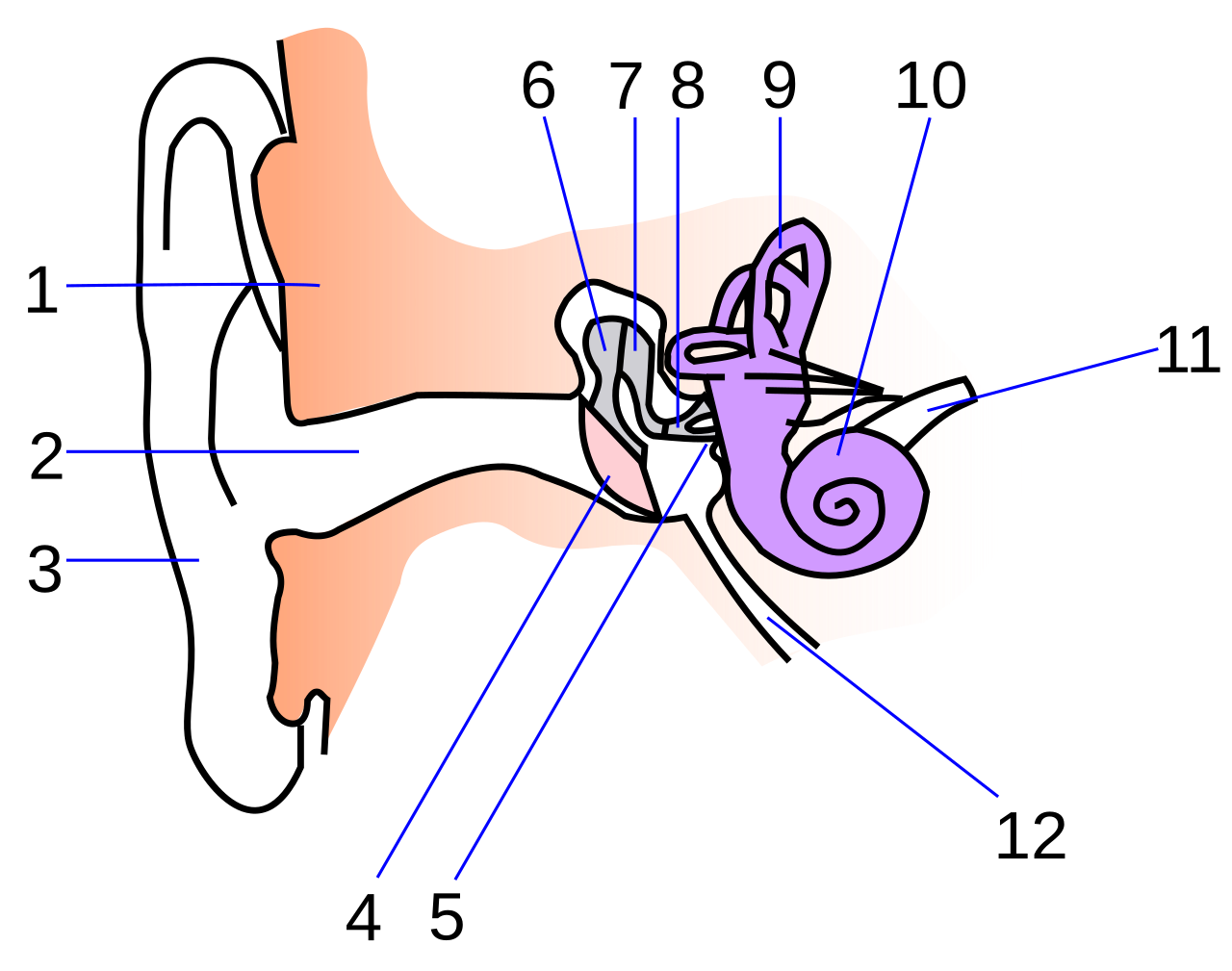
What to notice in the ear
Sudden sensorineural hearing loss can feel like muffled sound, a blocked ear or a rapid drop in one side. Ringing and dizziness may occur with it. The label advises prompt care because some reported losses were permanent. An earwax assumption should not delay an urgent hearing test when the change is abrupt.
A large claims-based cohort found a small but statistically significant increase in sudden hearing-loss risk during current PDE5-inhibitor use. The study could not eliminate all confounding and used billing records rather than direct dose observation. It supports vigilance, not a prediction that most users will have hearing trouble.
For hearing changes, an audiogram can document the pattern and severity; for vision changes, an eye examination can locate the problem. Those tests also help distinguish a medicine warning from stroke, retinal disease, infection or another urgent cause. Waiting for an online answer can lose time that matters for treatment.

Risk discussions should happen before the first dose
Tell the prescriber about previous NAION, serious eye disease, hearing loss, diabetes, vascular disease and all pressure-lowering medicines. The same visit should cover nitrates and alpha blockers. Do not buy an unverified tablet to avoid an awkward conversation; our evidence and safety guide explains why undeclared strengths make adverse-event assessment harder.
Daily tadalafil and intermittent sildenafil produce different exposure patterns, but no schedule makes sudden sensory loss routine or acceptable. The tadalafil schedule guide can help with ordinary convenience questions; it is not a substitute for urgent evaluation when vision or hearing changes.
Keep the response simple
Stop the PDE5 inhibitor, do not redose, and seek urgent eye or hearing care. Bring the package or prescription record. If the symptom comes with weakness, trouble speaking, severe headache, chest pain or fainting, use emergency services because a broader neurological or cardiovascular event may be occurring.
These warnings should not be inflated into panic or minimized into fine print. Most users will not experience them, and postmarketing reports cannot prove causation in every case. The antioxidant evidence guide shows why unrelated pooled benefits cannot answer a drug-warning question. Disclose risk factors and act quickly if a sudden change occurs.
After an event, do not restart the same or a different PDE5 inhibitor without the treating specialist and prescriber reviewing what happened. Switching brands does not erase a class warning. The follow-up decision should account for diagnosis, recovery, cardiovascular risks and whether other medicines or hidden ingredients were present.
Write the emergency advice down when the prescription is first issued. Clear instructions are easier to follow during a frightening symptom than a warning remembered vaguely from a crowded medication leaflet.