Pelvic floor exercises for erectile dysfunction: a practical evidence-based guide
Pelvic floor training improved erectile function in a randomized trial. Learn which muscles matter, how to practice, and when exercises are not enough.
Pelvic floor training can help some men, especially when taught correctly and practiced for months. It is a low-risk option, not a substitute for evaluating vascular, hormonal or medication causes.
Why these small muscles can matter
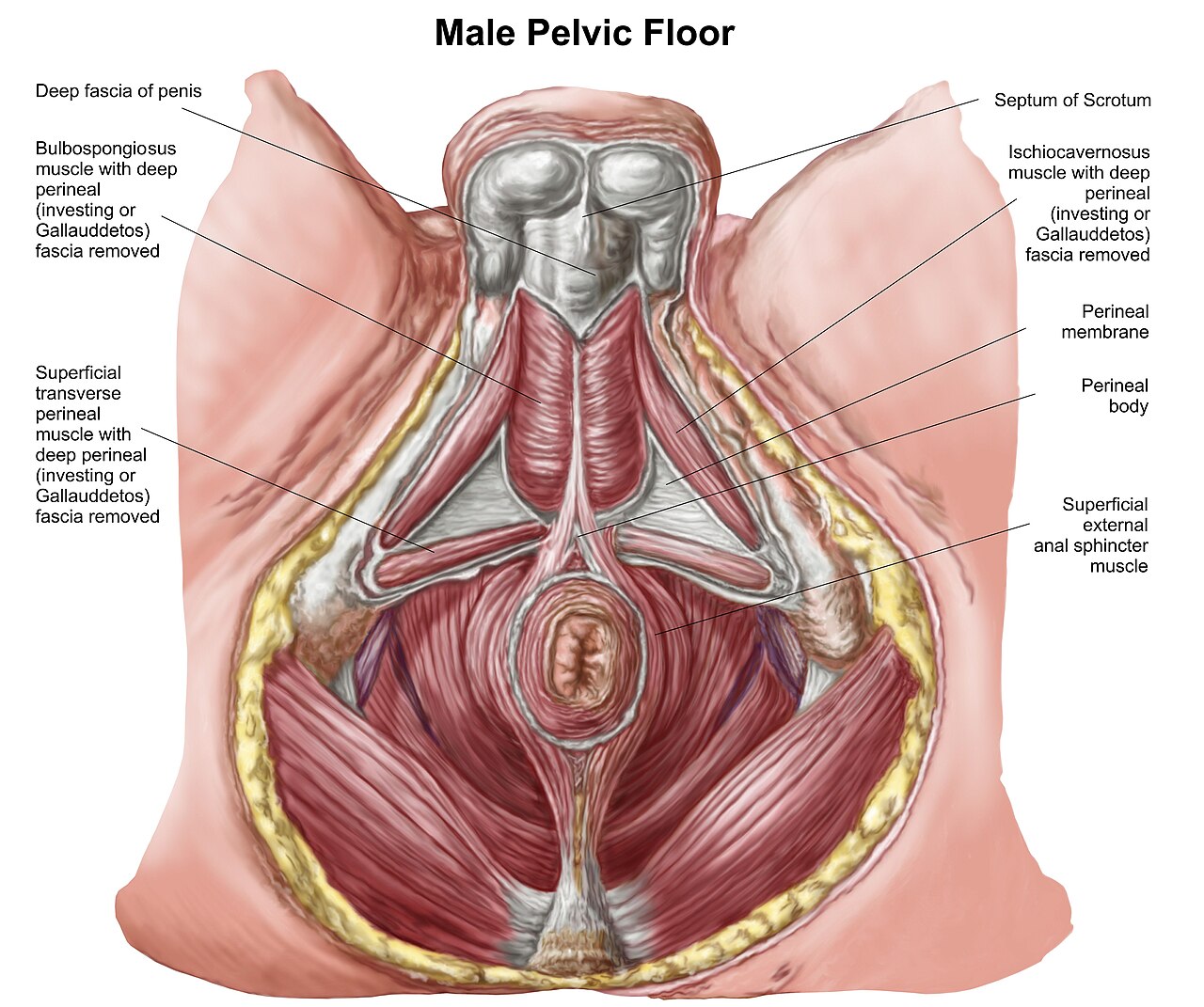
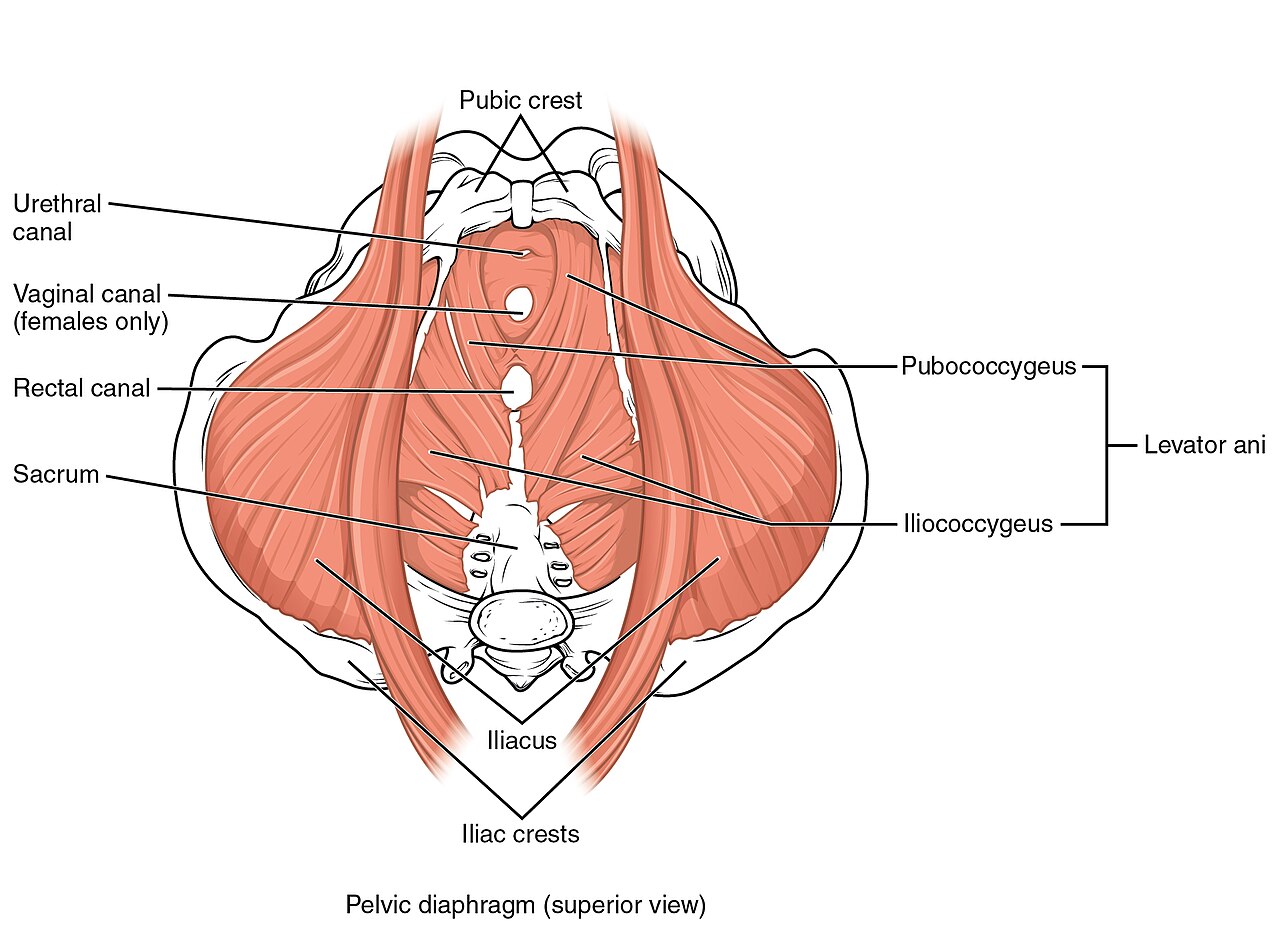
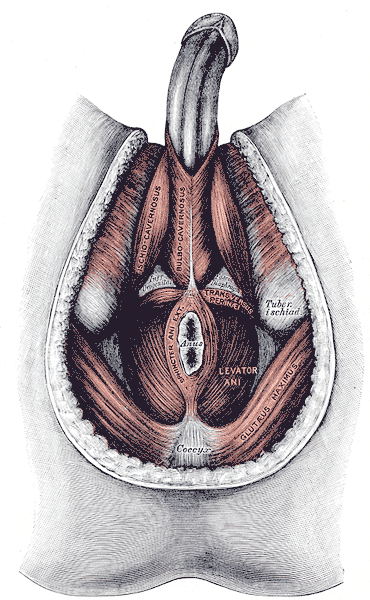
Better control does not come from squeezing every muscle below the waist. The bulbocavernosus and ischiocavernosus muscles sit around the base of the penis and help compress venous outflow during erection. When they contract effectively, they can support rigidity and ejaculation. Training aims to improve strength, endurance and coordination, not to create an instant erection.
This makes pelvic floor work different from supplements or acupuncture for ED. It is a physical rehabilitation strategy with a defined target. It also explains why technique matters: tightening the abdomen, buttocks or thighs can make a session feel difficult while barely training the intended muscles.
What the randomized trial found
A British randomized trial assigned 55 men with erectile dysfunction to pelvic floor exercises plus biofeedback and lifestyle advice or lifestyle advice alone. At three months, the training group improved more on erectile-function measures. After the comparison period, the control group was also offered the exercises, and benefits were reported through six months.
The trial was useful but modest in size, and participants had varied causes of ED. It does not prove every man will respond. Evidence for vitamin D and erectile function is a reminder that a plausible intervention can still have a limited or null effect in a randomized setting. Pelvic floor training works best as a measured trial with realistic expectations.
Find the contraction before adding volume
To identify the muscles, imagine stopping gas or gently lifting the base of the penis inward. A brief test while urinating can help recognition, but repeatedly interrupting urine flow is not the workout because it can encourage incomplete emptying. During normal practice, breathe steadily and keep the stomach, glutes and thighs as relaxed as possible.
A common starting pattern is 8 to 10 gentle contractions, holding each for several seconds with an equal rest, followed by a few quick contractions. Practice once or twice daily rather than forcing large volumes. Pain, pelvic pressure or worsening urinary symptoms are reasons to stop and seek a pelvic health assessment. Stress and sexual wellness also deserve a separate evidence-based discussion when anxiety keeps the area braced.
Progress comes from coordination, not just force
Many men need help relaxing the pelvic floor as much as strengthening it. A chronically tight pelvic floor can contribute to pain, urinary urgency or sexual symptoms, and more Kegels may aggravate it. A pelvic floor physical therapist can examine timing, breathing and muscle overactivity and may use biofeedback to show whether the right muscles are working.
Lion’s Pride Rx currently provides clinician-reviewed online pathways for FDA-approved sildenafil and tadalafil. That prescription service is separate from exercise training: medication eligibility requires a medical assessment, while pelvic floor therapy addresses muscle function. Some men use both approaches under clinician guidance rather than treating them as rivals.
Build a three-month test you can evaluate
Choose a consistent routine, record baseline erection quality and review progress after roughly 12 weeks. Add walking, resistance exercise, sleep and smoking cessation when relevant. Our broader male enhancement evidence guide explains why persistent symptoms should also trigger a review of blood pressure, glucose, medications and cardiovascular risk.
If there is no improvement, do not double the repetitions indefinitely. Confirm technique, ask whether the pelvic floor is overactive, and revisit the diagnosis. Pelvic floor exercises are attractive because they are practical and inexpensive, but their value comes from correct execution and follow-through—not from promising a universal cure.
Progress is usually quiet rather than dramatic. Early signs may include better awareness, less leakage after urination or more control at the base of an erection before a major change in firmness. Use the same symptom scale every few weeks instead of testing repeatedly during sex. If the routine creates pain, rectal pressure, urinary urgency or difficulty relaxing, pause and seek a therapist who treats male pelvic health. Those symptoms can signal overactivity rather than weakness. A personalized assessment can also account for prostate surgery, chronic pelvic pain and neurological conditions that make a generic Kegel handout incomplete.