Priapism is a four-hour emergency: what to do and why waiting is risky
A painful erection lasting four hours is a medical emergency. Learn the difference between ischemic and high-flow priapism and what not to try at home.
A rigid or painful erection lasting four hours needs emergency care. Ischemic priapism traps low-oxygen blood and can damage erectile tissue; home remedies should not delay treatment.
Four hours is the action line
An erection that persists for four hours, especially when painful and unrelated to ongoing stimulation, is an emergency. Ischemic priapism occurs when blood becomes trapped in the corpora cavernosa. Oxygen falls, acidity rises and tissue injury becomes more likely as time passes. Waiting for morning or trying to sleep it off can reduce the chance of preserving normal erectile function.
Call emergency services or go to an emergency department. Tell staff the start time, pain level and every medicine, injection, recreational drug and supplement used. Sexual-enhancement products with hidden PDE5 analogs matter because the label may not reveal the actual exposure.
The ginseng erectile-function evidence is irrelevant to an acute emergency and should not delay care.
Ischemic and high-flow priapism are different
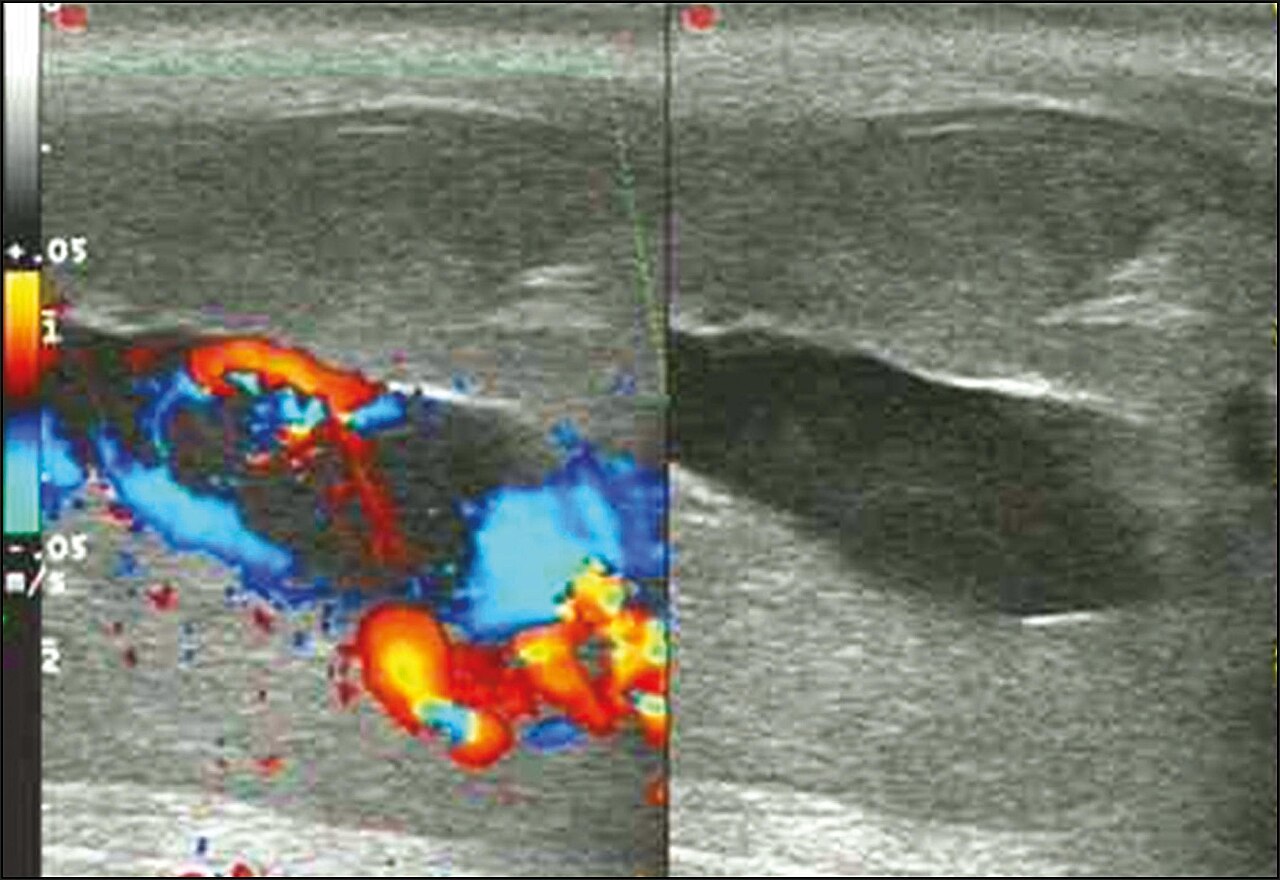
Ischemic priapism is usually painful, rigid through the shaft and soft at the glans. High-flow priapism often follows penile or pelvic trauma, is less painful and may be only partly rigid because arterial blood continues to circulate. A clinician uses history, examination, blood-gas testing and sometimes Doppler ultrasound to tell them apart.
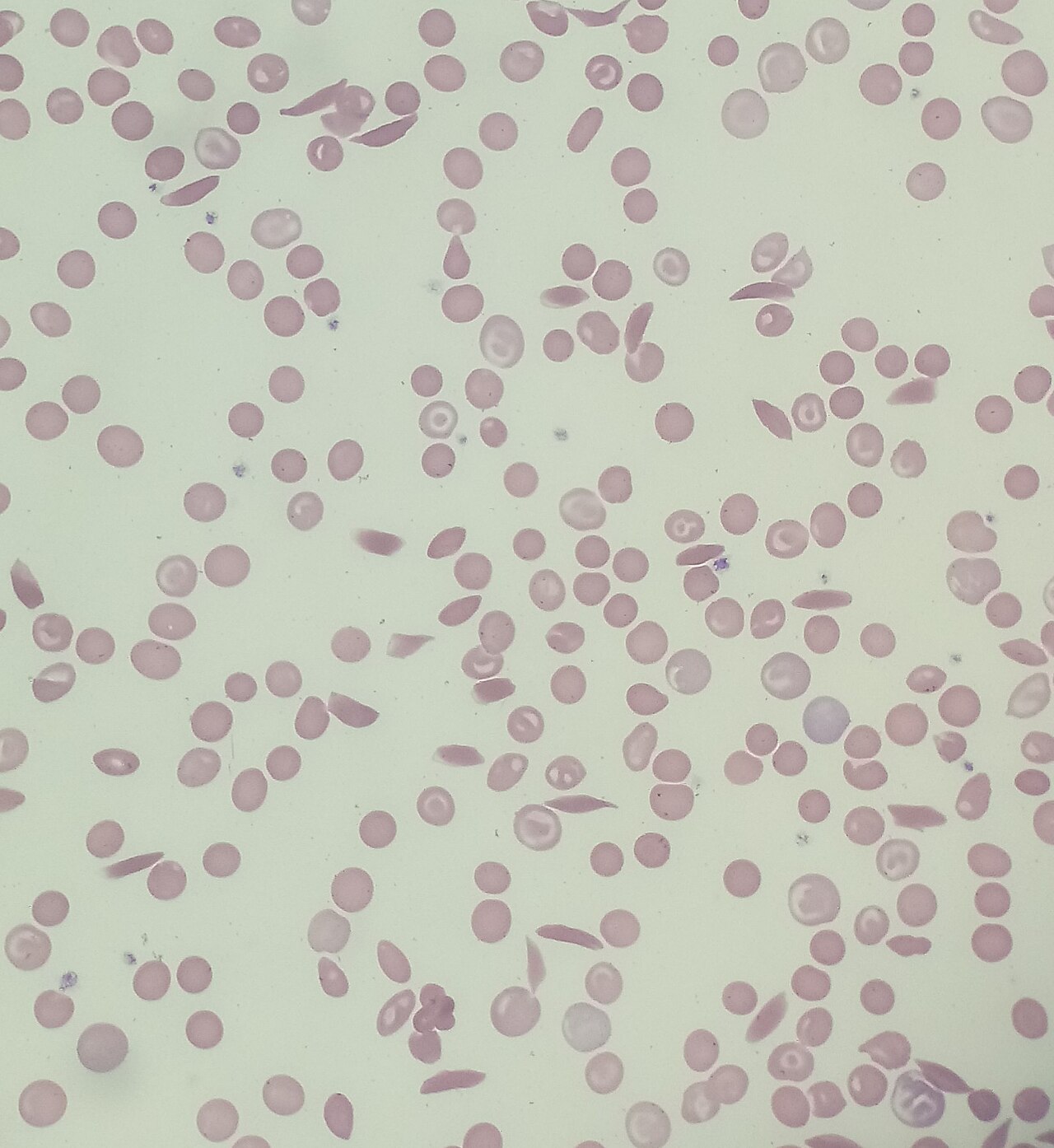
Do not self-diagnose the type based only on pain. Sickle cell disease is an important cause of recurrent ischemic episodes, while ED injections, trazodone, some antipsychotics and other medicines can also contribute. A first episode needs evaluation even if it resolves before four hours.
Saffron erectile-function trials also do not provide a home treatment for priapism.
What emergency treatment may involve
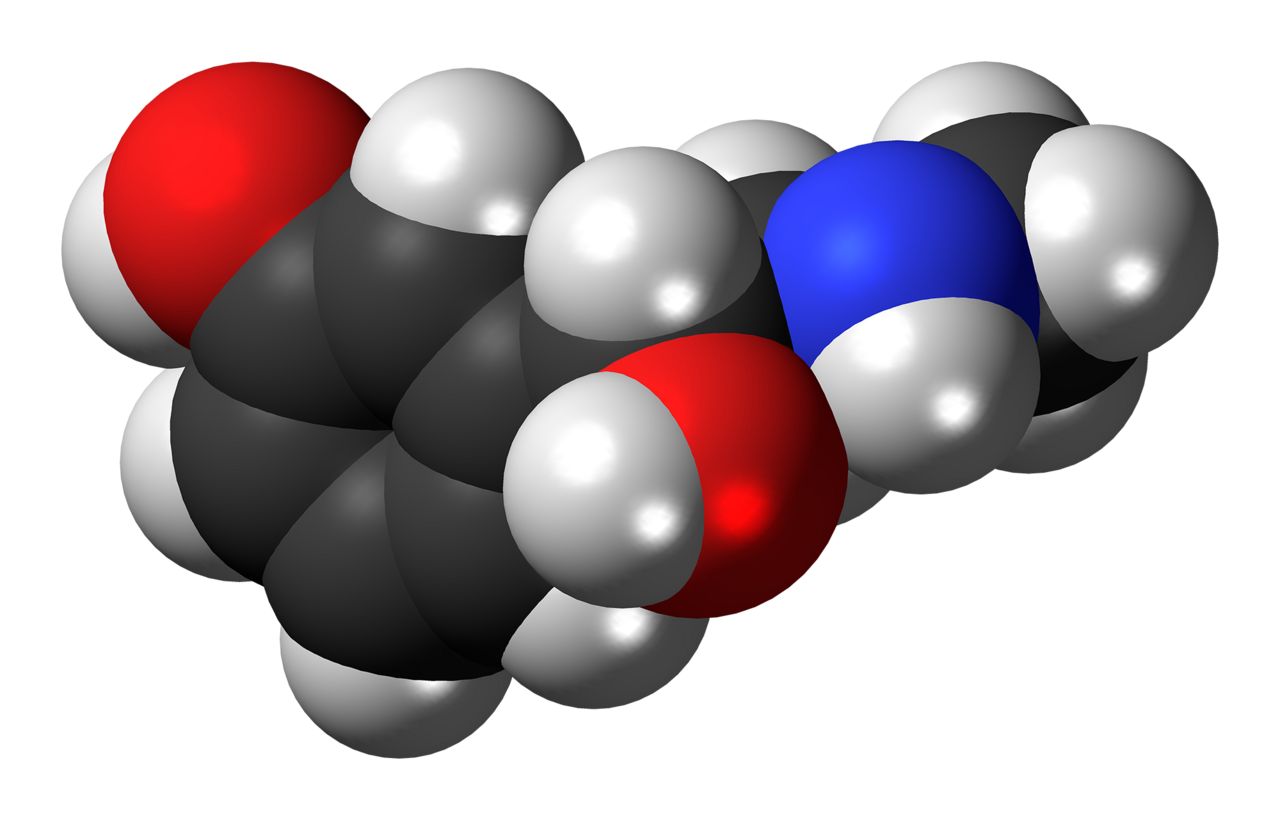
The AUA/SMSNA guideline recommends prompt corporal aspiration and irrigation plus intracavernosal phenylephrine for acute ischemic priapism, with blood-pressure and heart-rate monitoring. If those steps fail, surgery may be needed. Phenylephrine injection is a clinician procedure, not a home use of nasal decongestant or leftover medication.
Pain control and treatment of an underlying condition happen alongside detumescence. Newer international guidance continues to emphasize rapid recognition and escalation. An erection lasting four hours is not evidence of enhanced performance; it is a time-sensitive vascular problem.
Hidden ingredients in sexual-enhancement honey can make the exposure history harder to identify.
Skip the internet fixes
Cold showers, exercise, ejaculation, caffeine, ice packs or oral decongestants should not delay emergency care. Some measures may cause injury or produce cardiovascular side effects without relieving trapped blood. Do not take more ED medication, and do not puncture the penis yourself.
The same urgency applies after a prescription injection used for ED. Follow the clinic’s written rescue instructions, but if the erection reaches four hours, seek emergency treatment. Our yohimbe safety guide explains why adding another stimulant-like supplement can make an already uncertain situation harder to manage.
Prevent the next episode with a real plan
After recovery, review the trigger and recurrence risk with urology or hematology. Men with sickle cell disease or recurrent stuttering priapism may need a prevention plan tailored to the pattern. Medication doses and injection technique may need adjustment; never resume the suspected trigger without clinician direction.
Keep the practical message simple: record the time, disclose every exposure and get emergency care at four hours. Priapism can happen after prescribed treatment, recreational drugs or without an obvious cause. Rapid care is not overreacting—it is the best chance to protect tissue and future function.
Recurrent episodes that stop on their own still deserve attention. Write down how long they last, whether the shaft is fully rigid, pain level, sleep timing and recent medicines or injections. Do not wait for an episode to reach four hours before asking urology or hematology for a prevention plan. For people with sickle cell disease, hydration and disease-directed care matter, but an acute ischemic episode still requires emergency evaluation. After treatment, temporary soreness and bruising can occur; follow the discharge instructions and return promptly for renewed rigidity, fever, worsening pain or bleeding. Prevention is individualized and should never be copied from another person’s online protocol.
If emergency staff are unfamiliar with your recurrent condition, show the written specialist plan but do not delay triage. A plan supports rapid care; it does not authorize self-injection unless a treating specialist has explicitly trained and prescribed it.
Our guide to hidden PDE5 analogs explains why bringing the package to emergency care can matter.