Pumpkin seed oil for male pattern hair loss: one positive trial needs replication
One placebo-controlled trial reported higher hair counts with pumpkin seed oil, but the product, mechanism, and long-term effect remain uncertain.
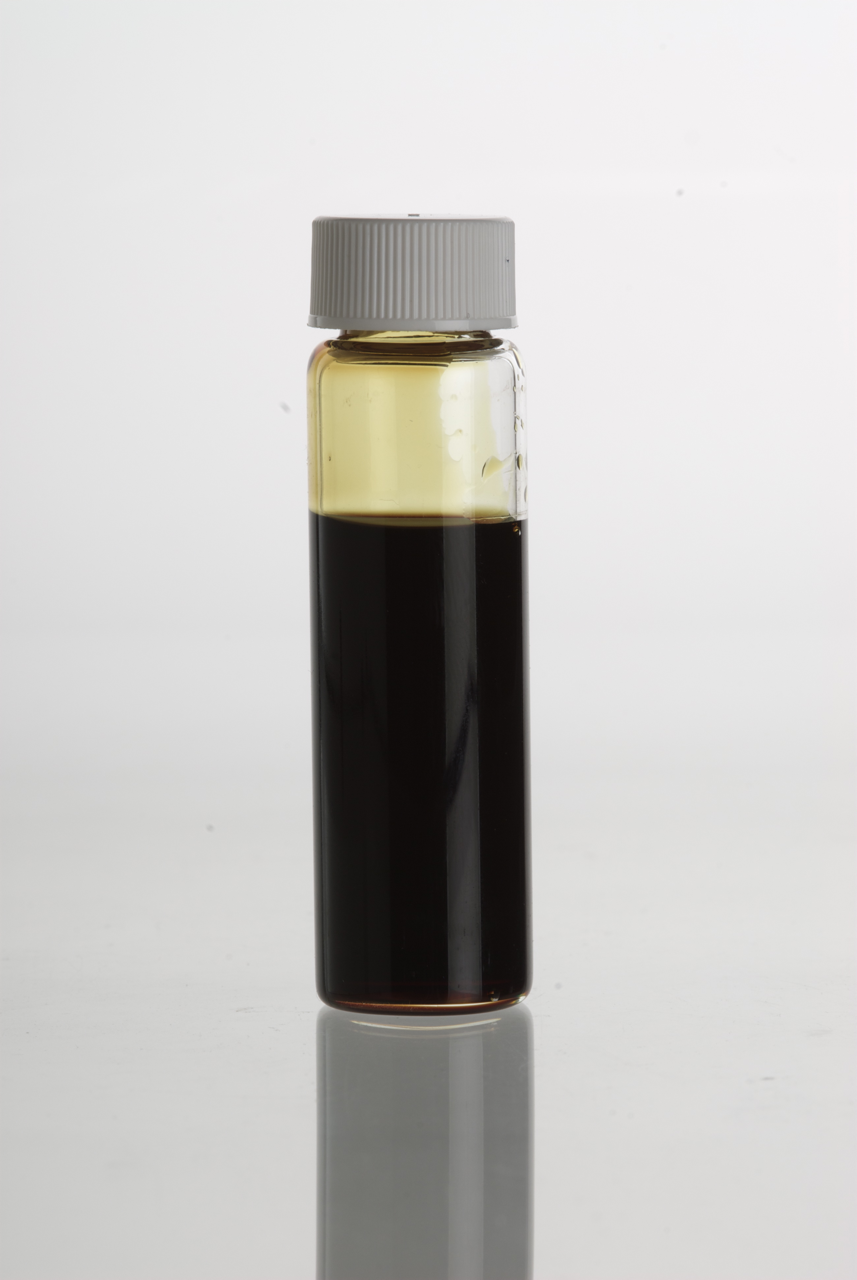
Pumpkin seed oil has one encouraging male hair-loss trial, but it should not replace diagnosis or be generalized to every oil and extract.
A real trial, not a settled treatment
Pumpkin seed oil has more human evidence for male pattern hair loss than many supplement ingredients. In a randomized, double-blind, placebo-controlled study, men taking the tested product for 24 weeks had a larger increase in hair count than men taking placebo. That makes the result worth discussing.
It does not make every bottle equivalent. The trial tested a specific oral product and has not been followed by a comparable independent replication in men. One positive study can overestimate an effect, especially when the mechanism and product chemistry are not fully pinned down.
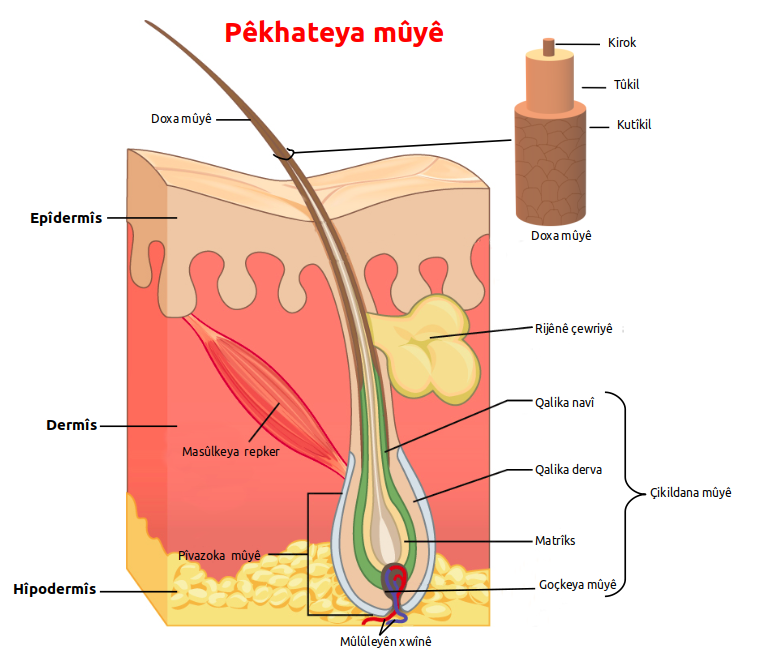
What the 24-week study found
Researchers enrolled 76 men with mild to moderate androgenetic alopecia. Participants received 400 milligrams per day of a pumpkin seed oil product or placebo. Outcomes included standardized photographs reviewed by a blinded investigator, self-ratings, hair thickness, hair counts, and adverse events.
The pumpkin seed oil group had a larger mean hair-count increase and higher self-rated improvement and satisfaction. Reported adverse effects did not differ between groups. The study duration was long enough to observe a hair cycle, but too short and small to establish rare harms or sustained benefit after stopping.
The headline hair-count result also needs context. Counting hairs in a defined target area is more objective than a testimonial, yet it does not capture every outcome a reader cares about, such as coverage, styling, shedding, or satisfaction years later. Future trials should use standardized photography, central blinded assessment, prespecified target areas, and transparent handling of participants who stop early.
Do not turn one ingredient into a mechanism claim
Pumpkin seed oil is sometimes described as a natural 5-alpha-reductase inhibitor. That idea is relevant because dihydrotestosterone helps drive follicle miniaturization in genetically susceptible men. The clinical trial did not prove that enzyme inhibition caused the hair-count change in participants.
Oil chemistry varies with the seed variety, extraction, storage, and standardization. Culinary oil, encapsulated oil, and a multi-ingredient hair formula may not provide the same constituents. Matching the words pumpkin seed oil is not enough to show that a product matches the study.
Hair grows slowly, so early day-to-day checking is more likely to measure lighting, styling, and normal shedding than a treatment effect. Use monthly photos from the same angle and keep expectations tied to the study's 24-week horizon. Worsening loss, scalp symptoms, or uncertainty about the pattern should prompt review sooner.
A newer blend cannot isolate pumpkin seed oil
A 2024 randomized trial reported higher hair density with a supplement containing Cucurbita pepo alongside l-cystine, saw palmetto, pygeum, vitamins, and minerals. That finished blend may be clinically interesting, but it cannot tell us which ingredient produced the change.
This is a common evidence trap. A positive multi-ingredient trial supports that exact combination, dose, population, and duration. It does not independently validate pumpkin seed oil, saw palmetto, biotin, or every other component.
Confirm the hair-loss pattern first
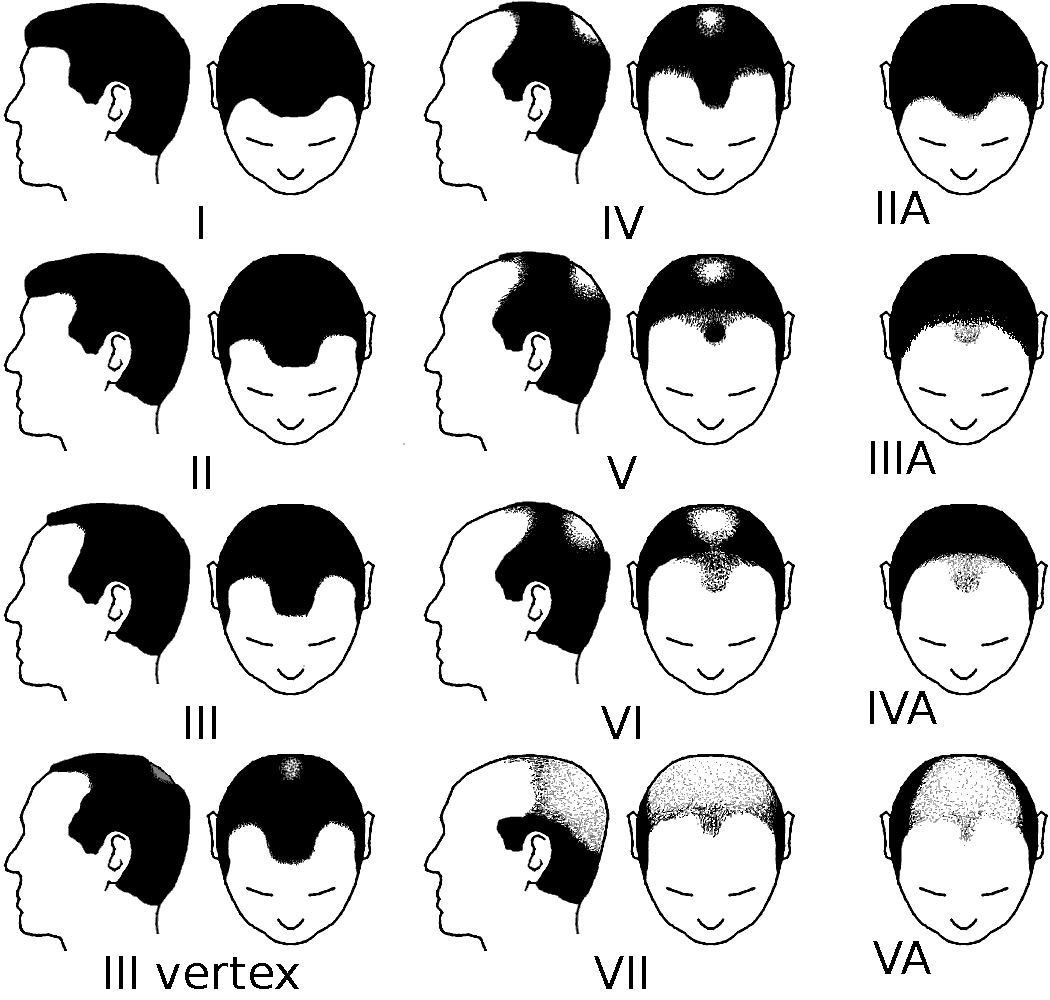
A receding hairline and thinning crown often suggest androgenetic alopecia, but sudden shedding, round patches, scalp inflammation, medication effects, thyroid disease, iron deficiency, and other causes need different responses. A clinician or dermatologist can examine the pattern and decide whether testing is needed.
Discuss treatments with stronger and longer track records, including topical minoxidil and prescription options when appropriate. If you try pumpkin seed oil, use one clearly labeled product, take baseline photos in consistent light, set a six-month review point, and stop for side effects. Do not let a supplement delay a diagnosis while follicles continue to miniaturize.
Look at the rest of the capsule too. Some pumpkin seed oil products add saw palmetto, zinc, biotin, or other ingredients, creating new interaction and duplication questions. High-dose biotin can interfere with certain laboratory tests, while extra minerals may overlap with a multivitamin. A simpler formula makes it easier to compare with research and to identify the cause if an unwanted effect appears.
Sources & further reading
- Pumpkin seed oil and hair growth in men with androgenetic alopecia: randomized trial ↗
- Oral multi-ingredient supplement in telogen effluvium and androgenetic alopecia: randomized trial ↗
- Pumpkin seed oil versus minoxidil in female pattern hair loss: randomized trial ↗
- Systematic review of nutritional supplements for hair loss ↗