Rosemary oil for male-pattern hair loss: one comparative trial needs a careful read
One six-month trial compared rosemary oil with 2% minoxidil, but no placebo group, replication or standardized consumer dose supports a sweeping claim.
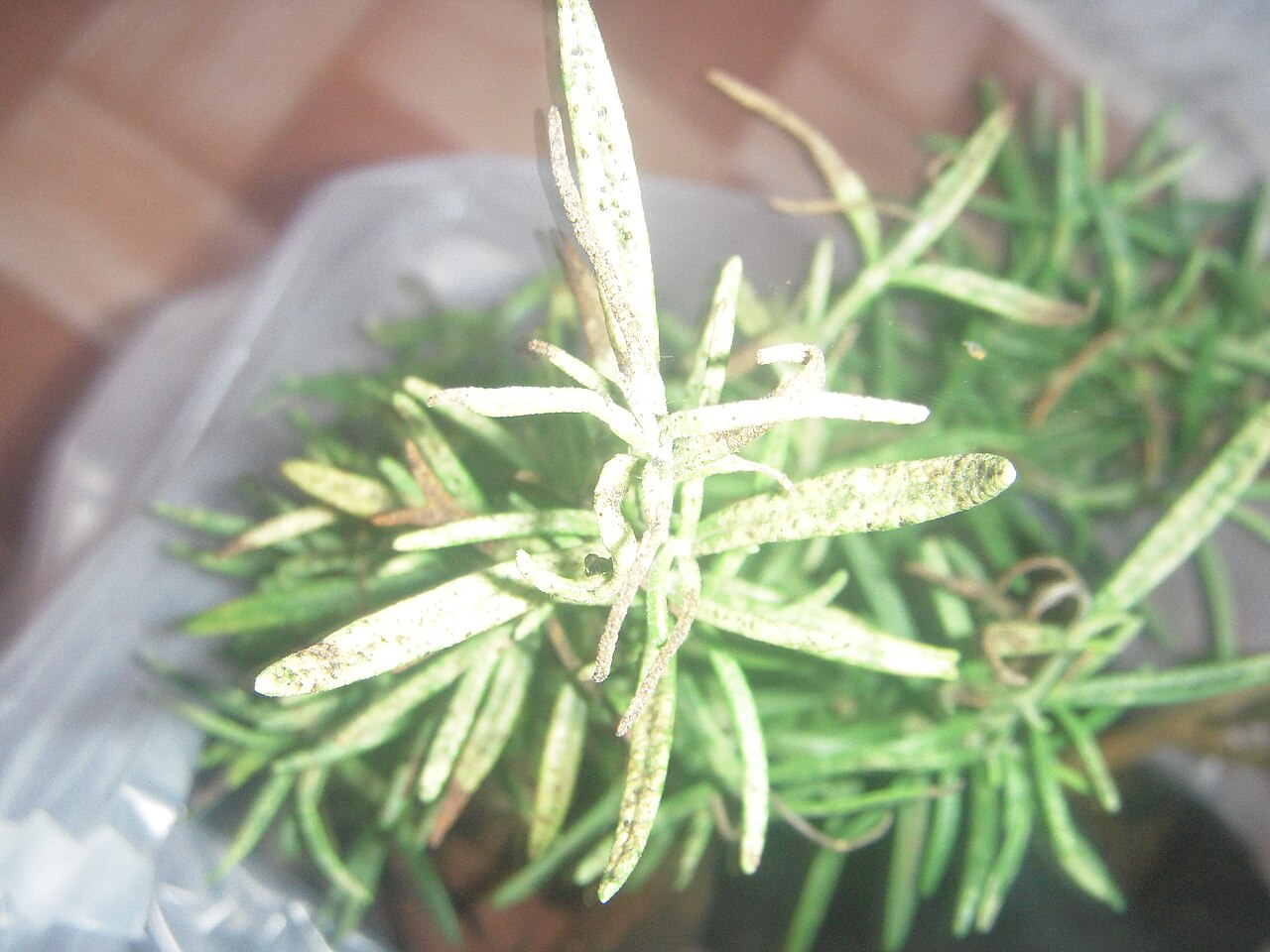
Rosemary oil has one six-month comparative trial, but it lacked a placebo group and has not been independently replicated enough to establish equivalence with standard hair-loss treatment.
The trial is more interesting than the viral slogan
A randomized 2015 study assigned 100 people with androgenetic alopecia to rosemary oil or 2% minoxidil for six months. Neither group showed a significant hair-count change at three months; both improved from baseline at six months. Scalp itching was reported more often with minoxidil. Those findings justify more research, but “worked like minoxidil” is too blunt.
The comparison used 2% minoxidil and did not include a placebo or untreated group. Without that control, the study cannot fully separate treatment effect from measurement variation, natural cycling or study participation. The pumpkin seed oil trial has a similar lesson: one positive study is a starting point, not a settled treatment hierarchy.
Equivalent is not the same as proven equivalent
A study that finds no statistically significant difference between two groups does not automatically prove the treatments are equivalent. Formal equivalence or noninferiority trials set margins in advance and need enough participants to exclude clinically important differences. This study was a modest comparative trial, not a licensing program.
The product details also matter. “Rosemary oil” can mean an essential oil, diluted scalp preparation or mixed cosmetic. The trial preparation and application schedule should not be generalized to every bottle. Concentrated essential oil can irritate skin and should not be applied undiluted.
Hair biology demands patience
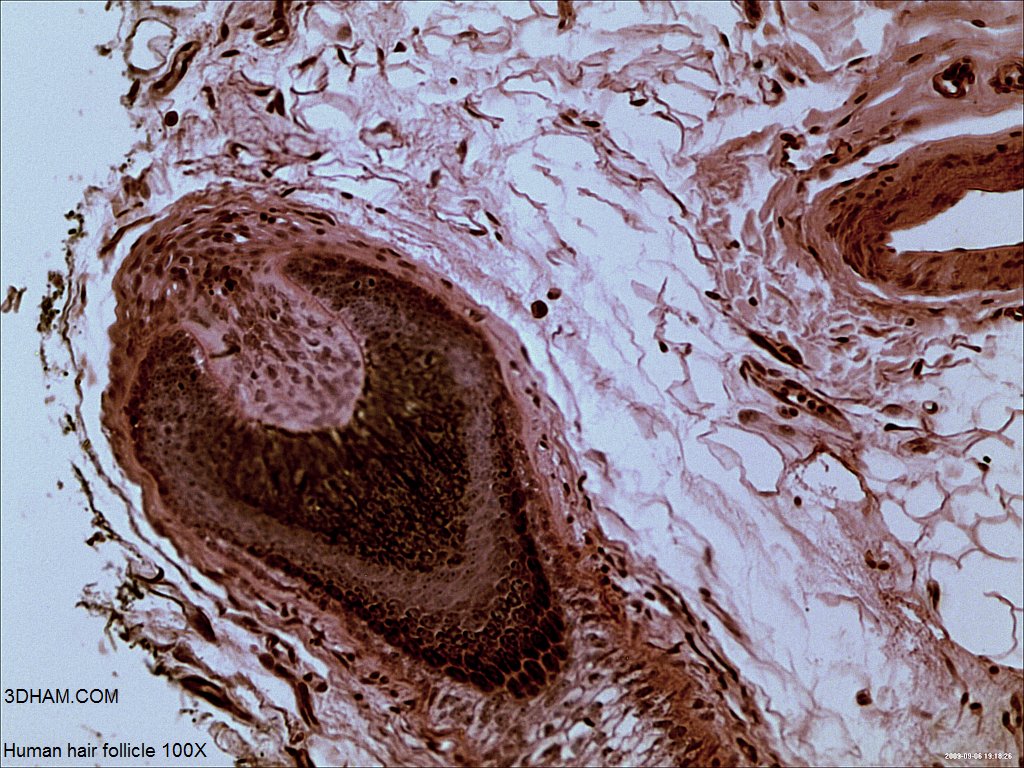
Androgenetic alopecia gradually miniaturizes susceptible follicles under genetic and androgen influences. Hair cycles move over months, which explains why a three-month snapshot can miss change. Standardized photographs, hair counts and consistent follow-up matter more than day-to-day shedding impressions.
Hormone rumors can distract from the follicle itself. Our creatine and DHT update shows how a single biochemical result can grow into a hair-loss claim. A treatment decision should focus on the person’s pattern, progression, scalp condition and evidence for the actual intervention.
The 2015 study also did not answer how rosemary compares with stronger minoxidil concentrations, oral treatments or combination care. Those are separate questions requiring separate trials. A consumer should not convert a comparison with 2% minoxidil into a claim about every standard therapy or every stage of hair loss.
Safety and diagnosis still come first
Patch-test a properly diluted topical product and stop if burning, rash or swelling occurs. Essential oils can be toxic if swallowed and should be kept away from children and pets. A dermatologist can distinguish androgenetic alopecia from alopecia areata, infection, scarring disease or shedding caused by illness and nutrition.
Supplements are not automatically safer. The saw palmetto prostate and sexual-function evidence does not establish a hair benefit, while multi-ingredient formulas make it hard to identify the cause of a reaction. Tell the clinician about every topical, supplement and prescription product.
Where rosemary fits in a practical plan
Rosemary oil may be a preference to discuss when someone wants a cosmetic topical and understands the limited evidence. It should not delay diagnosis of rapid, patchy or inflamed hair loss. Take baseline photographs under the same lighting and angle, set a six-month review point and avoid changing several products at once.
Prescription finasteride has different evidence, contraindications and possible sexual side effects than rosemary oil, so it requires a separate clinician-led decision. Our supplement evidence and safety guide shows why a separate formula cannot validate a topical essential oil. The broader conclusion remains: one comparative trial makes rosemary plausible, not proven equivalent to established therapy.
Photographs are most useful when the camera distance, part line, lighting and hair length stay consistent. Count irritation, cost and daily effort alongside appearance. If treatment is stopped because it is unpleasant or impractical, a small measured benefit may not translate into a useful long-term plan.
Also stop judging progress by loose hairs in the shower alone. Shedding varies from day to day, while standardized images and clinician examination are better suited to tracking density and miniaturization reliably across months.