Korean black raspberry and erections: promising rabbit tissue is not a human trial
Rubus coreanus relaxed rabbit erectile tissue in laboratory studies, but no human ED trial establishes a useful dose, benefit or interaction profile.
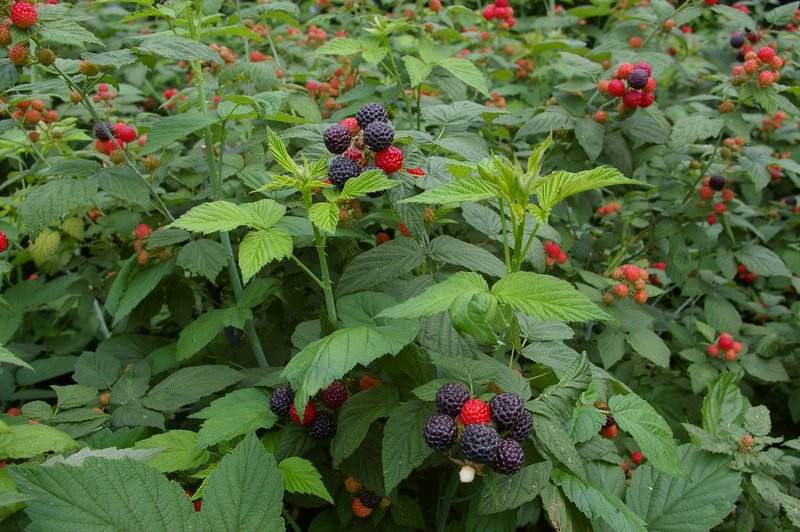
Rubus coreanus has interesting laboratory effects on rabbit erectile tissue. It has not yet crossed the key bridge to reliable human evidence for erectile dysfunction.
A vivid mechanism can still be early evidence
Rubus coreanus for erectile function remains a laboratory hypothesis, not a human treatment result. The Korean black raspberry, also known as bokbunja, appears in traditional-use discussions and studies of erection biology. Researchers have applied unripe fruit extracts directly to isolated rabbit corpus-cavernosum tissue. The tissue relaxed, and nitric-oxide and cyclic-nucleotide measurements changed.
The distinction matters because our L-citrulline guide and L-arginine study questions already show how easily nitric-oxide language becomes a sales claim. A compound may influence a pathway in a dish at concentrations that a capsule or juice never reaches in human erectile tissue.
What the rabbit studies measured
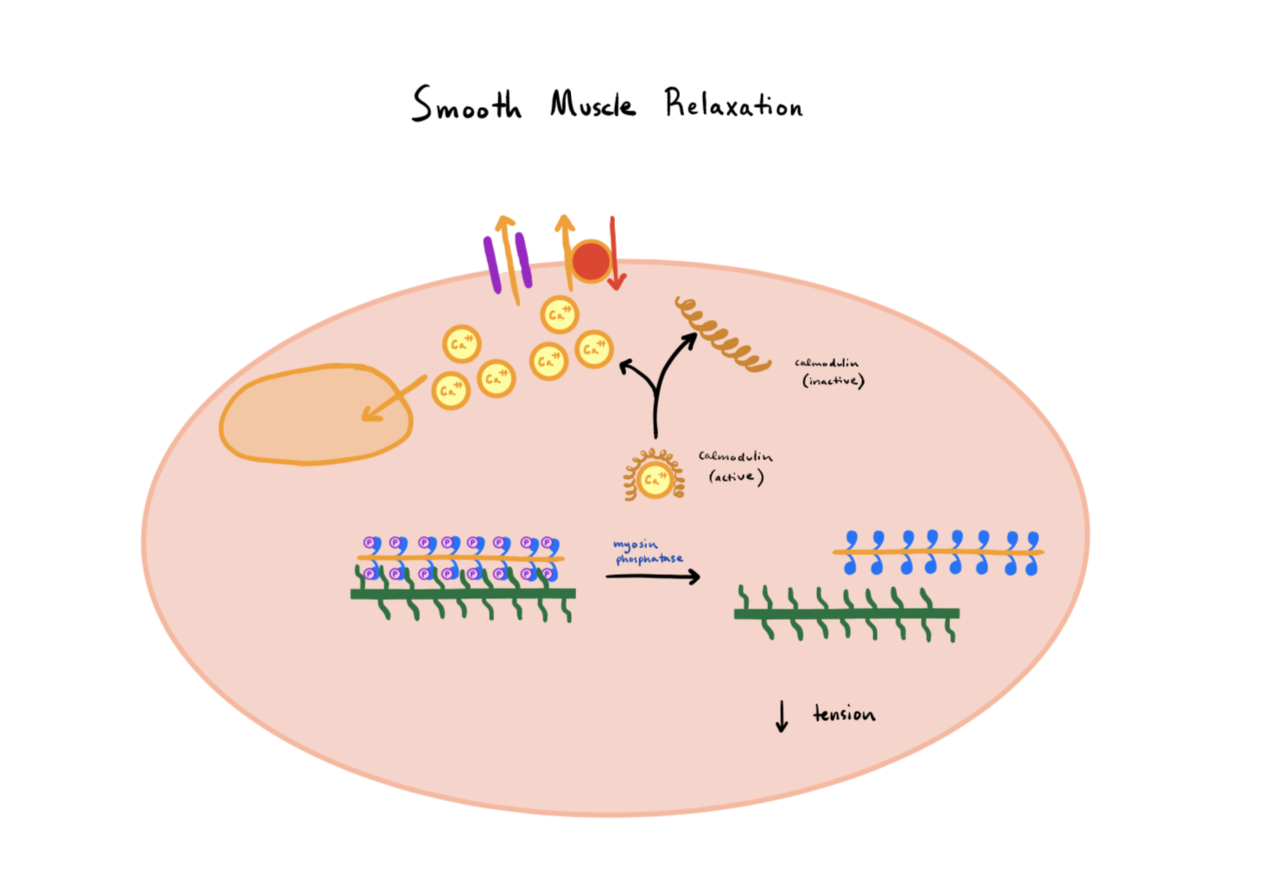
One experiment found concentration-dependent relaxation and increases in cGMP and cAMP in perfused rabbit penile tissue. Another suggested both endothelium-dependent and independent effects, including changes in calcium handling in smooth-muscle cells. These studies help map possible mechanisms, but they did not measure erections, satisfaction or adverse effects in patients.
A fermentation study also reported tissue relaxation in rabbits and reproductive changes in mice. Mouse sperm counts and testosterone are not substitutes for human erectile outcomes. The same warning applies to mucuna and libido: animal behavior or reproductive markers do not establish a benefit for men seeking better sexual function.
The preparation problem is larger than the plant name
The studies used unripe fruit extracts, ethanol extraction or fermentation filtrates. A ripe berry food, wine, powder and standardized extract are chemically different exposures. Without human pharmacokinetic work, the effective laboratory concentration cannot be translated into a serving size. Products may also use related Rubus species under similar common names.
That preparation gap mirrors the problem with pomegranate pilot evidence: juice and a concentrated extract are not automatically interchangeable. A reliable product discussion needs botanical identity, plant part, extraction method and amount—not simply a fruit photo and the phrase “supports blood flow.”
Chemical characterization would also need to identify which polyphenols or other constituents drive the tissue effect. Without that work, two extracts labeled Rubus coreanus may not be comparable. Stability during storage, fermentation organisms and contaminants could further change the preparation before it reaches a consumer.
Human safety and interactions remain open questions
Ordinary food use does not answer the safety of a concentrated extract. The laboratory studies do not establish effects on blood pressure, liver enzymes, bleeding risk or interaction with sildenafil and tadalafil. One rabbit-tissue experiment reported enhanced sildenafil relaxation, which is a reason to study the combination, not a recommendation to try it.
Sexual-enhancement labels can also conceal active drugs, so any supplement with rapid, prescription-like promises deserves extra caution. The yohimbe label guide offers a practical model: identify the exact ingredient and amount, then check the adverse-effect and interaction evidence rather than trusting a traditional name.
What would make the evidence useful
The next step is a registered, adequately powered human trial using a chemically characterized extract and validated outcomes such as IIEF scores. It should report blood pressure, adverse events, medication use and the actual dose. Independent replication would matter more than another tissue experiment.
Until then, Korean black raspberry is best described as preclinical. Enjoying a food is one decision; using a concentrated extract for ED is another. Persistent erection difficulty deserves a health evaluation, while Rubus products should not replace proven care or be combined with prescription medication without professional advice.
A sensible research sequence would move from composition and human absorption to dose-finding and interaction studies, then to a placebo-controlled ED trial. Skipping directly from rabbit tissue to a marketing promise leaves every important clinical question unanswered: who might benefit, how much to use, how long to try it and what harms to monitor.
Until those steps are completed, the most accurate label is experimental evidence. That wording preserves the scientific interest without turning a laboratory observation into a dose, a promise or a substitute for diagnosis.