Male Enhancement
Pine bark extract for erectile function: promising numbers, very low certainty
A small Pycnogenol trial reported improvement, but a systematic review found the erectile-function evidence too uncertain for firm conclusions.
A small Pycnogenol trial reported improvement, but a systematic review found the erectile-function evidence too uncertain for firm conclusions.
A small pomegranate-juice crossover study missed statistical significance, while a newer extract combination tested a materially different product.
Escalating saw-palmetto doses did not beat placebo for urinary or sexual outcomes in a large trial, despite reassuring short-term safety findings.
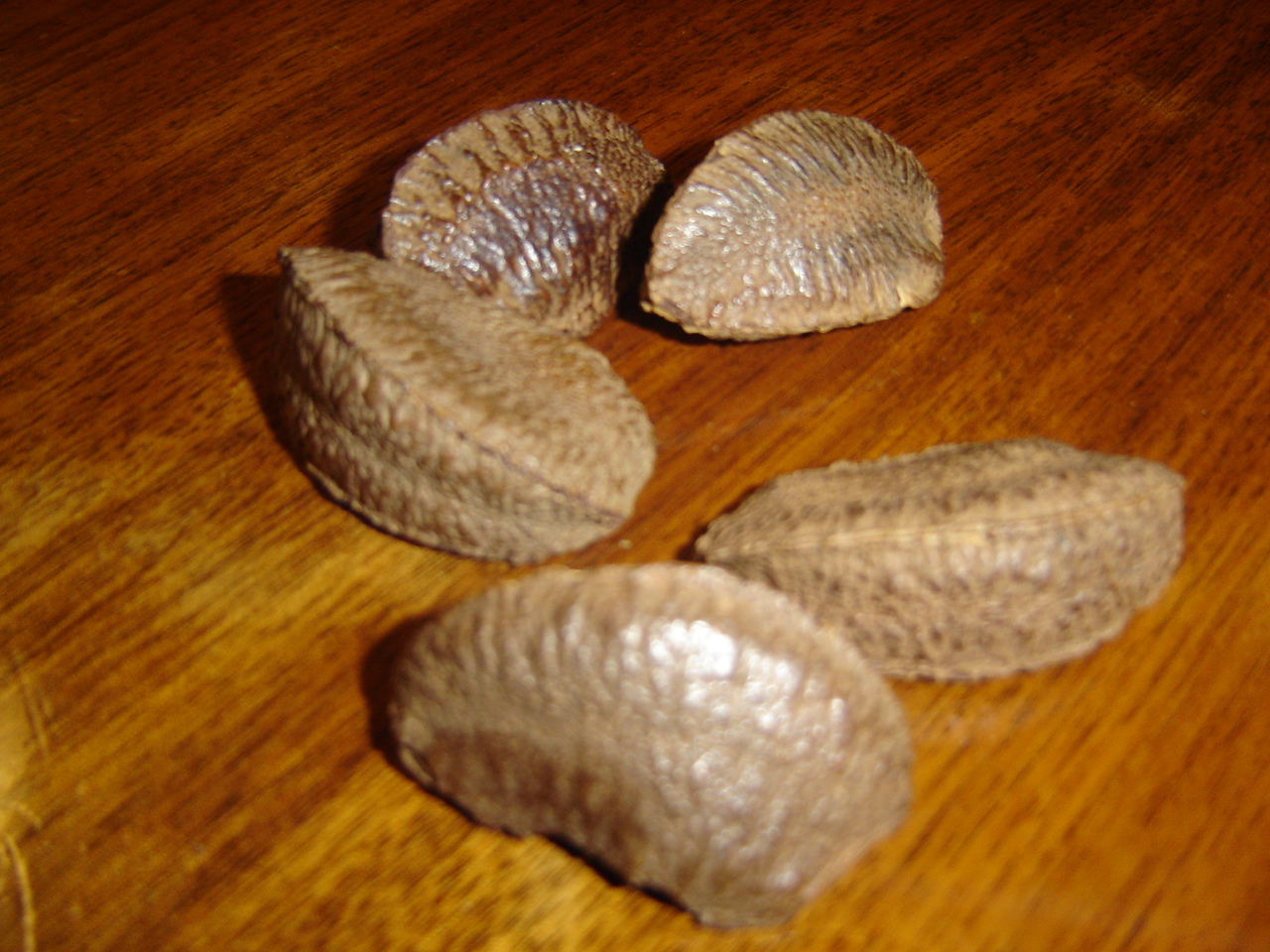
Some selenium trials improved semen parameters, but recent systematic reviews found no convincing evidence for pregnancy or live-birth benefits.
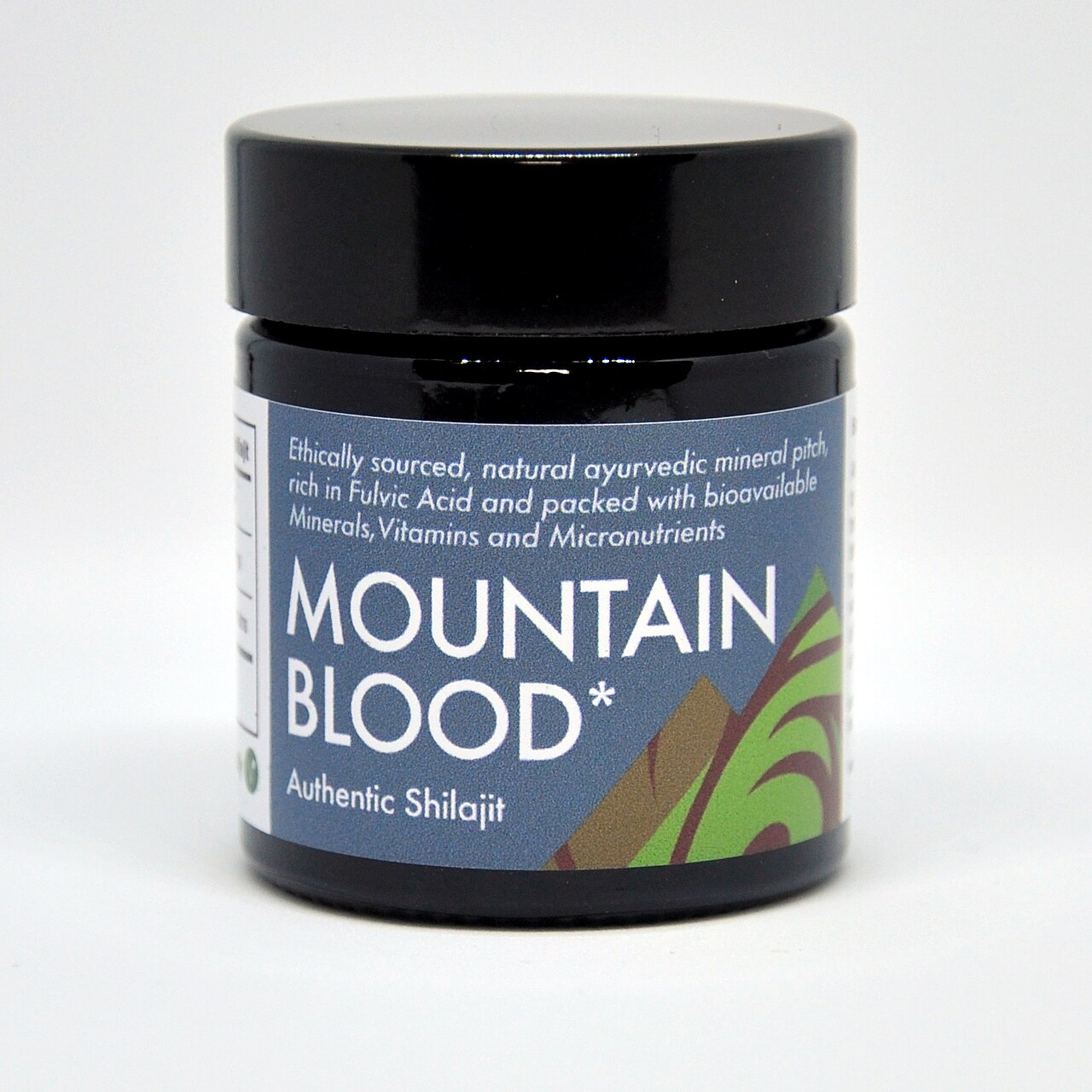
One randomized trial reported hormone changes with purified shilajit, while an infertility study lacked a placebo group. Product identity remains crucial.
Beetroot nitrate can affect some vascular measurements, but current trials do not establish that beetroot supplements treat erectile dysfunction.
Boron testosterone marketing often leans on a tiny one-week study, while a longer placebo-controlled bodybuilding trial found no hormone benefit.
One small rugby study raised concern about DHT, but later trials found no consistent testosterone, DHT, or hair-follicle effect from creatine.
Early D-aspartic acid research reported a testosterone rise, but controlled studies in trained men found no hormone or performance advantage.
Fenugreek studies use different extracts and outcomes. Separate libido questionnaires, testosterone measurements, symptoms, and commercial claims.
A measured guide to L-citrulline studies for erectile function, including small samples, combination products, outcomes, and safety questions.
Oral and topical saffron studies reached different conclusions. Here is how formulation, population, design, and outcomes shape what can be claimed.