Lycopene, PSA and prostate cancer: what food and supplement trials can—and cannot—show
Tomato and lycopene trials report mixed PSA and tissue findings. They do not prove that supplements prevent or treat prostate cancer.
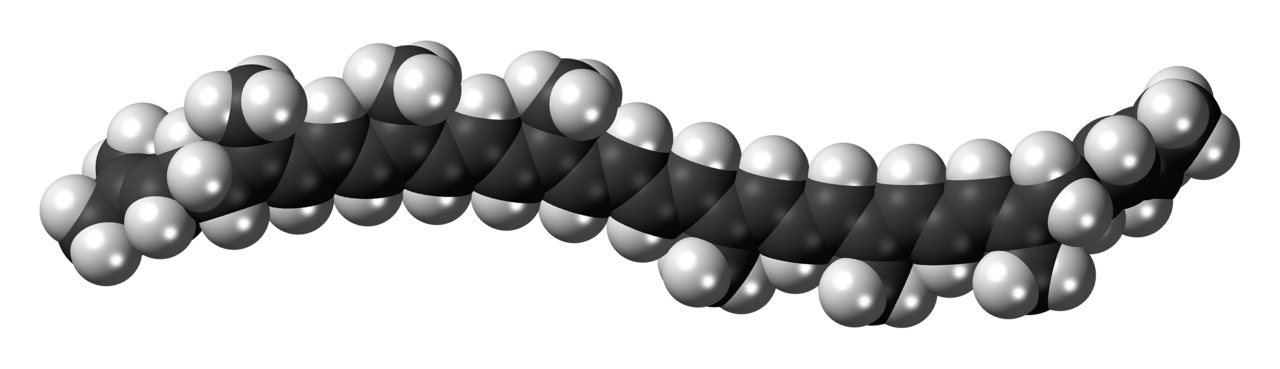
Lycopene trials are small and mixed. A change in PSA or tissue lycopene is not proof that a supplement prevents prostate cancer, shrinks a tumor or improves survival.
A red pigment is not a cancer treatment
Lycopene is a carotenoid concentrated in tomatoes and some red fruits. Because it accumulates in prostate tissue and has antioxidant properties, researchers have tested tomato foods and supplements around prostate cancer risk and surgery. The biology is plausible, but plausible does not mean preventive or therapeutic.
Green tea catechin prevention research offers a useful comparison: even a standardized ingredient and high-risk population can produce a negative primary endpoint. Lycopene claims should begin with clinical outcomes, not the color of a molecule or an observational association.
The green tea catechin prevention trial provides a direct comparison with another prostate-cancer prevention claim.
A tomato-food trial found no clear PSA advantage
A randomized trial assigned men with prostate cancer to tomato products containing 30 mg of lycopene daily or to a control diet for three weeks before surgery. Lycopene rose in blood and prostate tissue, but the groups did not differ significantly in PSA, tumor cell proliferation or most tissue biomarkers. The intervention changed exposure without proving a clinical benefit.
That distinction matters when a label says supports prostate health. Absorption and tissue delivery are pharmacology questions; recurrence, progression and survival are patient outcomes. A short presurgical window cannot answer long-term prevention or treatment questions.
The beta-sitosterol BPH trials concern urinary symptoms, not cancer prevention.
Small supplement studies provide signals, not certainty
An earlier phase II trial gave 30 mg of lycopene daily before prostatectomy and reported lower PSA and favorable surgical-pathology differences compared with controls. The study included only 26 men, and small samples are vulnerable to chance imbalances. It should be read as hypothesis-generating rather than proof that a capsule changes cancer behavior.
A 2022 meta-analysis of intervention trials found inconsistent effects on PSA and other markers and emphasized limited trial quality. That is similar to beta-sitosterol for urinary symptoms: a short-term symptom signal does not answer cancer prevention, disease progression or long-term safety.
The saw palmetto CAMUS trial shows why large prostate studies can overturn familiar supplement assumptions.
Food and supplements are different exposures
Tomato sauce provides lycopene within a food matrix alongside other carotenoids and nutrients. Capsules can deliver isolated lycopene at higher, consistent doses. Results from one form cannot be freely transferred to the other. Cooking and fat in a meal can increase absorption, but better absorption is not the same as better cancer outcomes.
Lycopene supplements may cause gastrointestinal effects and can interact with broader diet or treatment plans. Men receiving surgery, radiation, hormone therapy or active surveillance should tell the oncology team about supplements. Saw palmetto evidence also shows why a popular prostate ingredient should not be assumed to alter PSA safely or improve sexual function.
Use PSA for what it can do
PSA can change with cancer, benign enlargement, inflammation, ejaculation, cycling and procedures. A lower value after a food intervention does not by itself prove that cancer is controlled. Screening and follow-up decisions depend on age, baseline risk, trend, examination, imaging and sometimes biopsy.
Enjoying tomato foods is compatible with a healthy diet, but a lycopene pill should not replace screening or cancer care. The practical close is direct: ask what endpoint a claim relies on, separate tissue levels from patient outcomes, and avoid promises that a carotenoid prevents or treats prostate cancer.
Do not start or stop a concentrated antioxidant around surgery without telling the care team. Supplements can complicate medication reconciliation even when a specific bleeding interaction has not been proven. If you use lycopene, record the dose and form instead of describing it only as tomato extract. That detail helps a clinician compare the product with trial exposures and identify gastrointestinal effects or overlapping multivitamin ingredients. Most importantly, never use a supplement response to reinterpret a rising PSA on your own. The appropriate next step may be repeat testing under standardized conditions, imaging or biopsy—not a higher carotenoid dose.
Dietary patterns rich in vegetables may support overall health, but that broad advice should not be converted into a lycopene-specific anticancer promise. One nutrient cannot carry the evidence for an entire eating pattern.
Our antioxidant evidence guide explains why a pooled mechanism cannot validate every product or condition.