Cognitive behavioral sex therapy for psychogenic ED: what the trials suggest
Performance anxiety can reinforce erectile difficulty. Small randomized trials suggest cognitive behavioral sex therapy may help, alone or with sildenafil.
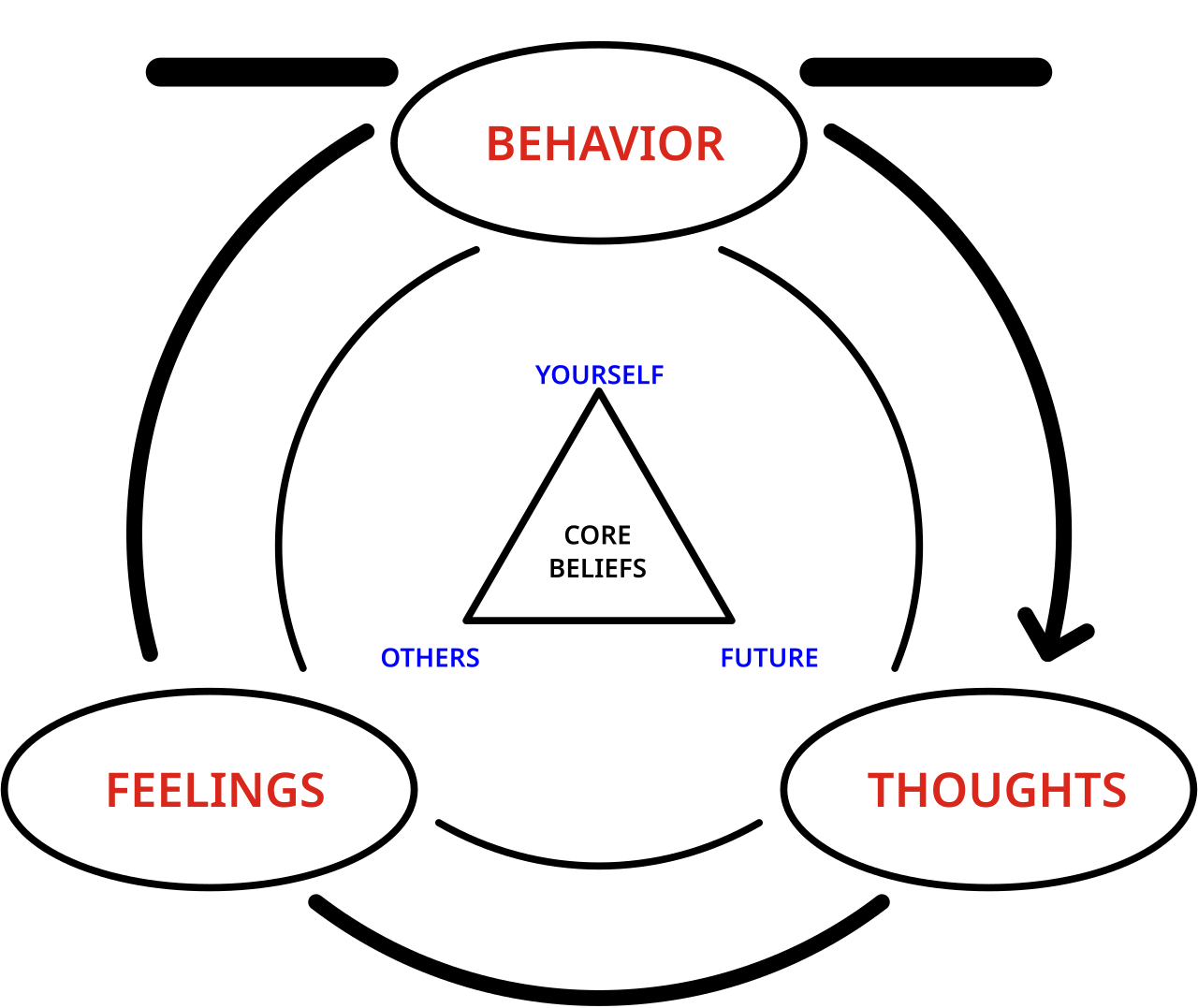
Cognitive behavioral sex therapy can help men whose ED is strongly shaped by anxiety, attention and avoidance. It is structured treatment, not a claim that symptoms are imaginary.
When the alarm system interrupts arousal
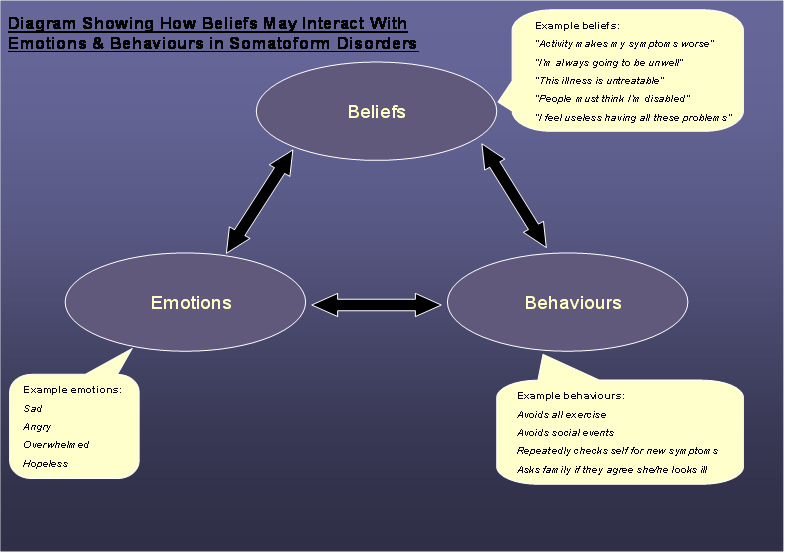
An erection can fade even when blood vessels and nerves are capable of working. Worry about performance shifts attention toward monitoring, threat and prediction: Is it firm enough? Will it last? That self-checking can reduce arousal, encourage avoidance and make the next encounter feel like another test. The cycle is physical and psychological at the same time.
Psychogenic does not mean fake. It means thoughts, emotions, relationship context and learned responses contribute meaningfully. Cannabis and erectile function research also shows why context matters, but a therapist does not need to blame one exposure to work on the anxiety loop.
For more context, review our ashwagandha male sexual health 2026 trial guide.
What structured therapy actually does
Cognitive behavioral sex therapy identifies automatic thoughts, tests rigid beliefs and rebuilds gradual sexual contact without making penetration the only goal. Sensate-focus exercises can move attention back toward touch and pleasure. Communication work addresses secrecy, avoidance and partner assumptions. Homework is specific, reviewed and adjusted rather than reduced to advice to relax.
The therapist should still support medical screening. Sudden onset, pain, loss of morning erections, diabetes, medication changes or cardiovascular symptoms can point to additional causes. Therapy and medical care can proceed together instead of competing over whether ED is in the mind or body.
Small trials favor an integrated approach
A pilot study found that integrated sildenafil plus cognitive behavioral sex therapy improved outcomes in men with psychogenic ED. A later randomized placebo-controlled study reported benefits from cognitive behavioral sex therapy, sildenafil and their combination, with integrated care helping several domains. The samples were modest and came from specialized settings.
Those results do not mean every man needs medication or that sildenafil treats anxiety. They support matching tools to mechanisms. The daily-versus-as-needed tadalafil guide makes a similar point: a prescription schedule answers one practical question, while expectations, avoidance and partner dynamics may need a different intervention.
For more context, review our black ginger kaempferia sexual function evidence guide.
Choose a qualified clinician and measurable goals
Look for a licensed mental-health professional with training in sexual therapy and experience coordinating with medical clinicians. Ask how progress is measured, whether a partner is included when appropriate and how privacy is handled. Be wary of guaranteed timelines, unlicensed coaching sold as therapy or anyone advising abrupt changes to prescribed medicine.
Track avoidance, anxiety, satisfying sexual contact and erectile reliability rather than treating penetration as the only success. Work may also address depression, relationship conflict, trauma or antidepressant sexual effects. Our guide to ginkgo and antidepressant sexual dysfunction shows why supplement evidence cannot replace a medication review.
A practical way to start
Begin with a medical evaluation and a simple timeline of when symptoms occur. Note morning erections, masturbation, partnered situations, alcohol, stress and recent medication changes. If performance anxiety is prominent, request structured CBT or sex therapy rather than waiting for confidence to return by itself.
The goal is not perfect control. It is reducing threat, increasing flexible sexual responses and making setbacks less powerful. Cognitive behavioral sex therapy has promising evidence for psychogenic ED, but the honest label is a guide: studies are small, therapists vary and persistent symptoms still deserve physical-health assessment.
Partners should not be recruited as monitors or judges. When both people agree, therapy can help them replace reassurance loops and performance checks with clearer communication and lower-pressure touch. Solo practice can also be useful when a partner is unavailable or involvement would feel unsafe. Progress may mean less avoidance, faster recovery after a lost erection or satisfying sex without penetration before firmness becomes more reliable. Those are clinically meaningful changes even if a questionnaire moves gradually. If therapy increases distress, brings up trauma or exposes coercion, the plan should slow down and prioritize safety with an appropriately trained professional.
A therapist should also discuss consent, comfort and realistic expectations for homework. No exercise requires unwanted sexual contact, and either partner can pause. The treatment succeeds through collaboration, not compliance under pressure.
For more context, review our carnitine combinations erectile dysfunction guide.