Low-intensity shockwave therapy for ED: what sham-controlled trials actually show
Low-intensity shockwave therapy is marketed for ED, but sham-controlled trials are mixed and protocols vary. Here is what the evidence supports.
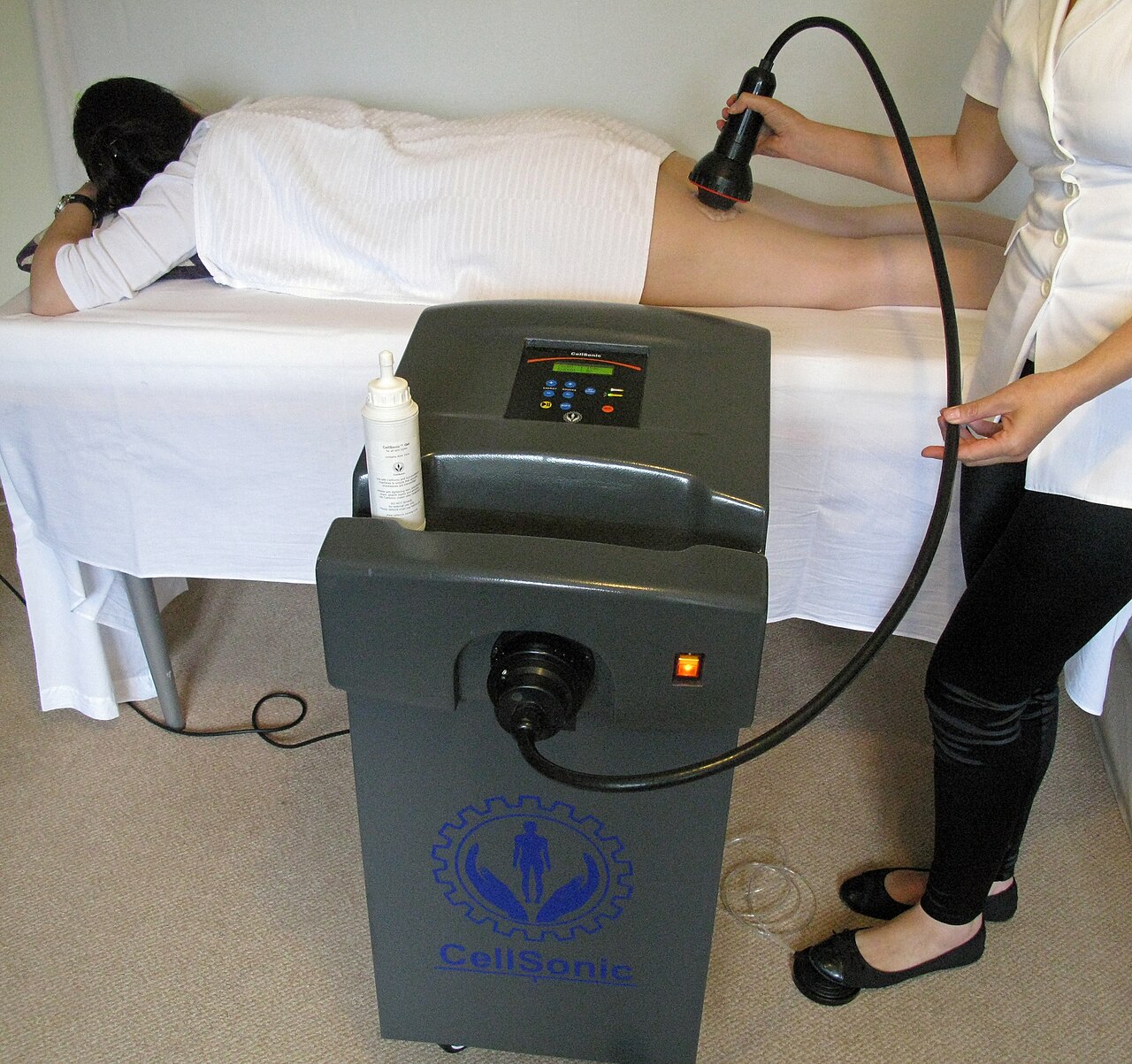
Low-intensity shockwave therapy remains an evolving ED treatment with mixed sham-controlled evidence. Protocol, device and patient selection vary too much for guaranteed-outcome claims.
The pitch is simple; the evidence is not
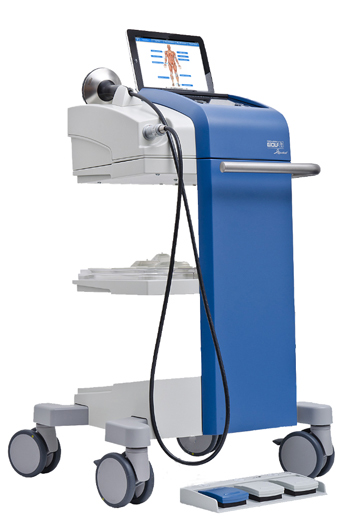
Low-intensity shockwave therapy aims acoustic pulses at penile tissue with the hope of improving vascular function. Clinics often describe it as regenerative, drug-free and able to restore natural erections. Those phrases sound decisive, but the treatment label covers different energy levels, devices, pulse counts and schedules. A result from one protocol cannot automatically validate another machine.
This is also different from focused shockwave treatment used for kidney stones or tendon problems. The ED approach uses lower energy and should not be confused with radial pressure-wave devices. Our overview of acupuncture for ED is a useful parallel: a procedure can be plausible and still depend heavily on technique and study design.
The ashwagandha sexual-health trial is a useful reminder that procedure and supplement evidence answer different questions.
Early sham-controlled work raised real interest
A 2012 randomized sham-controlled study by Vardi and colleagues reported improvement in erectile-function measures after treatment, especially among men who had responded to PDE5 inhibitors. That trial helped move shockwave therapy from theory into clinics. Yet it was small and used a specific electrohydraulic protocol that may not match commercial packages.
Later studies have not produced one consistent answer. A 2022 randomized sham-controlled trial found no clinically important benefit after a six-week course. A 2023 crossover trial reported improvement in some outcomes, but response varied and the design cannot settle which device, dose or population is best.
Our L-citrulline erectile-function trials guide shows how small studies can create outsized expectations.
Why pooled averages can mislead
Meta-analyses often report a modest average improvement, but they combine men with different ED severity, diabetes status, medication response and treatment schedules. Some studies permit PDE5 inhibitors; others do not. Follow-up is often short, and adverse-event reporting is not always detailed. A statistically significant score change may still fall short of a noticeable benefit for an individual.
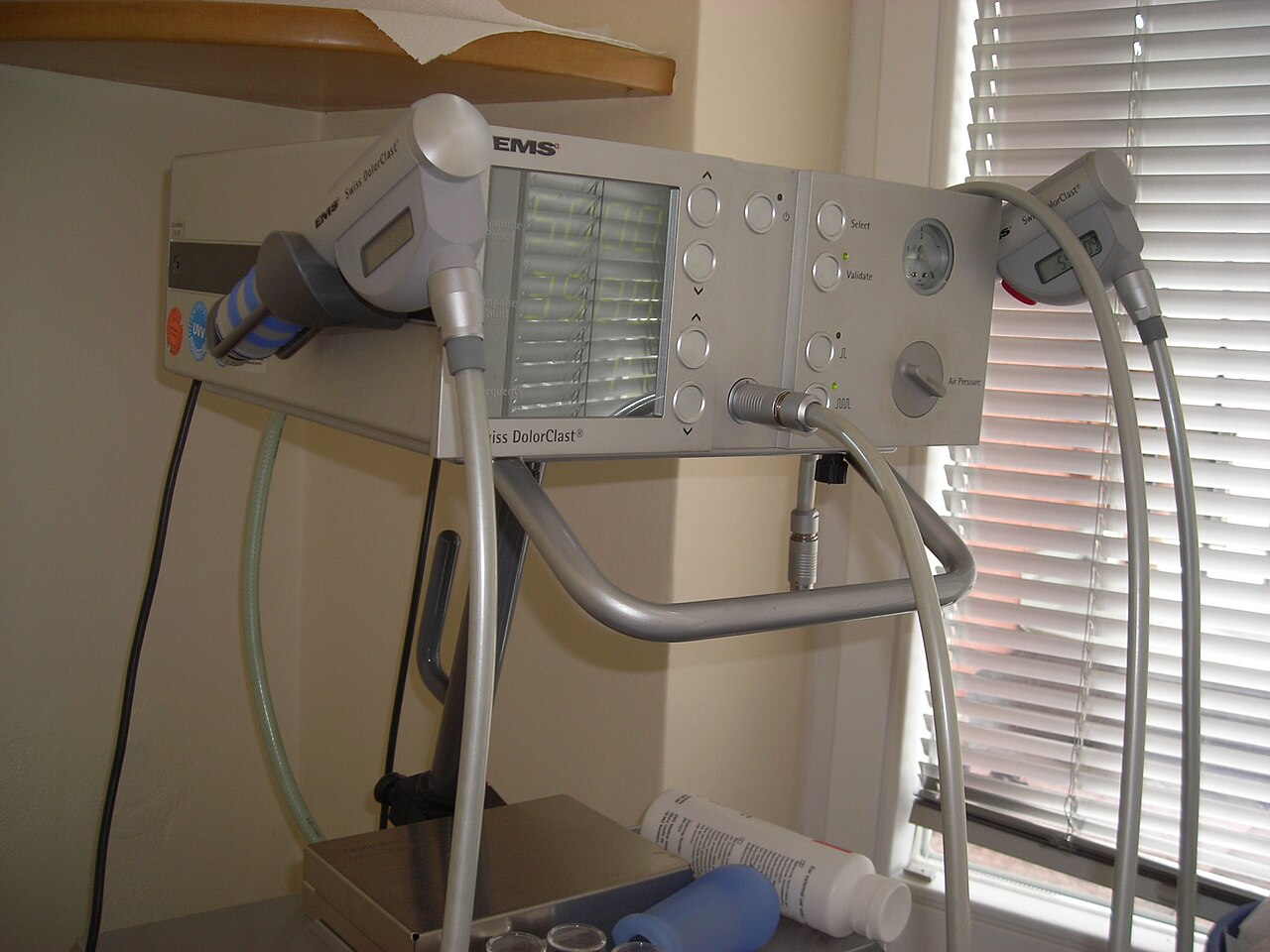
The CoQ10 trials demonstrate the same reading rule: an average signal belongs to the tested intervention and population. Shockwave results should not be generalized to every acoustic device. Ask for the manufacturer, wave type, energy flux density, pulse count and published protocol rather than accepting a broad laser-like brand name.
Conflicting tribulus erectile-function trials provide another example of why replication matters.
Regulatory and cost questions belong in the visit
Ask whether the specific device is cleared or approved by the FDA for treating erectile dysfunction; do not accept general device clearance for another condition as the same claim. Major urology guidelines have treated low-intensity shockwave therapy as investigational or a weak-option discussion because evidence quality and protocols remain unsettled.
Treatment is usually paid out of pocket and sold as a series. Before buying, request the total cost, refund policy, expected outcome measure and plan if there is no response. Avoid claims of permanent cure, guaranteed new blood vessels or drug equivalence. A reputable clinic should also evaluate cardiovascular risks and standard ED options.
Who should slow down before signing
Men with severe vascular disease, active genital infection, anticoagulant use, bleeding disorders, penile implants or substantial curvature need individualized review. Mild temporary pain, redness or bruising can occur. Shockwave therapy should not delay urgent care for chest pain or a four-hour erection, and it does not replace assessment for diabetes or medication effects.
For now, treat shockwave therapy as an uncertain procedure, not a proven reset button. Compare its cost and evidence with established ED medicines, vacuum devices and behavior-focused care. A clinic that can name its protocol, discuss mixed trials and measure baseline and follow-up function is more credible than one selling a fixed package to every man.
Before-and-after scores should be collected with a validated questionnaire, not only a clinic testimonial. Ask how many patients with your ED severity were treated, how often results were measured beyond three months and whether nonresponders are included in reported success rates. Also ask who performs the procedure and who handles complications. A package discount does not solve uncertainty about durability. If the clinic cannot explain the sham-controlled evidence, distinguish focused shockwaves from radial pressure waves or provide written device details, the marketing is running ahead of the science. That is a reason to pause, not to buy a larger series.
For another procedure-focused comparison, review the acupuncture evidence for ED.